A homeschool AI printer supplier should help family-learning brands, homeschool product merchants, and education-stationery distributors create small daily learning outputs, not replace a full-size curriculum printer. The strongest position is micro-printing: short flashcards, routine cues, reading prompts, quick challenge strips, and parent-prepared notes that fit a real home-learning moment. Buyers should evaluate whether the device makes small tasks easier, whether the AI workflow is understandable, and whether the channel promise stays realistic.
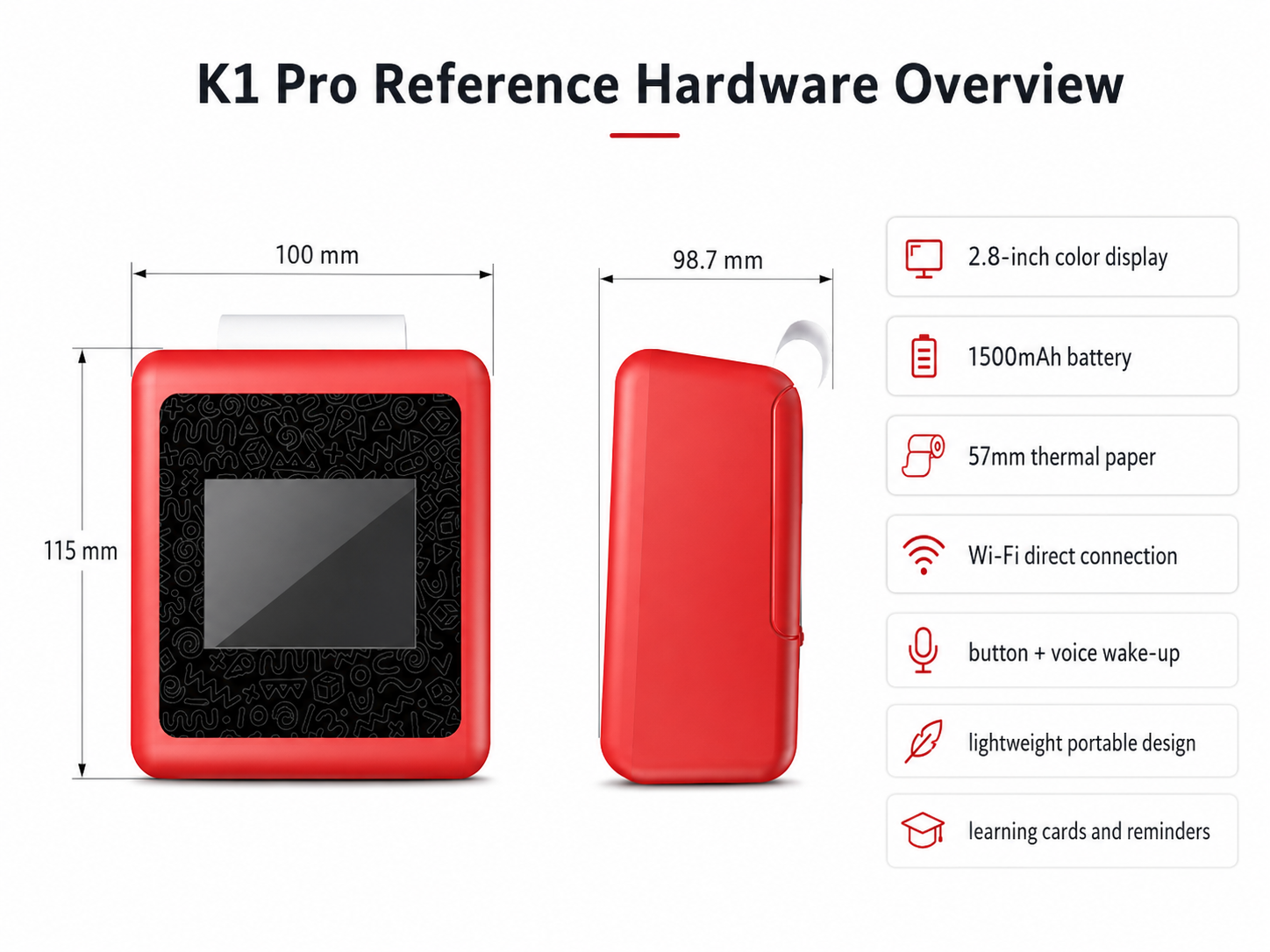
The Homeschool Use Case: Small Prints, Daily Tasks
Homeschool families often need quick, specific materials: one vocabulary card, one reading prompt, one routine cue, or one math reminder. A full-size printer can handle worksheets, but it is often too heavy for these small moments once ink, paper, setup time, and maintenance are considered. A homeschool AI printer should be judged by whether it reduces that daily preparation friction.
The strongest buyer story is not “AI replaces homeschool planning.” It is “AI helps parents create small printable supports faster.” That gives homeschool suppliers and family-learning brands a realistic position: compact, repeatable, parent-supervised micro-printing for everyday learning tasks.
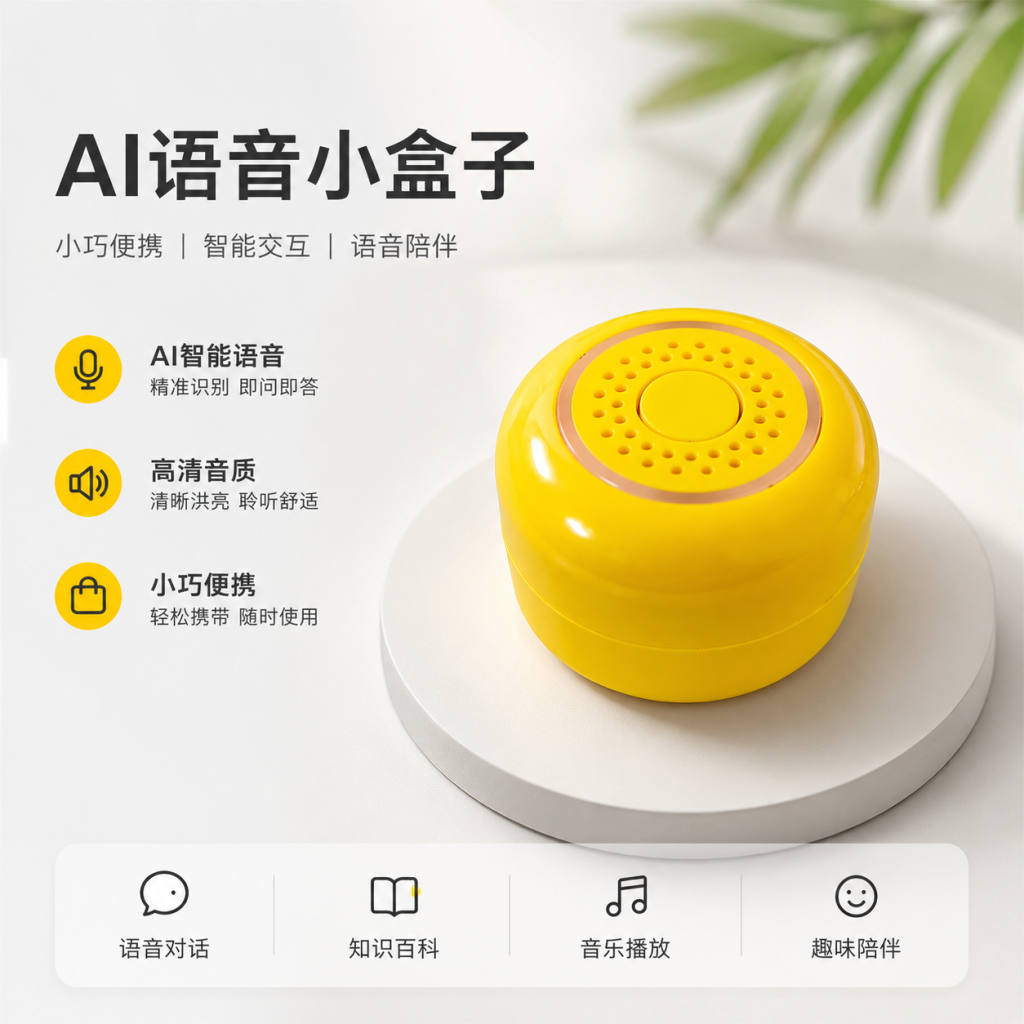
Voice interaction can support this use case when it helps a parent or child start faster, but buyers should still confirm the actual sample flow, review step, and content boundaries before making packaging claims.
What Buyers Should Know
- A homeschool AI printer should be positioned as a micro-printing companion for small daily tasks.
- The product should reduce parent preparation friction, not replace curriculum planning or adult instruction.
- Buyers should compare it with real homeschool workarounds: hand-written notes, generic cards, full-page printing, and time spent searching for materials.
- Voice interaction can help parents quickly generate a theme, but the output still needs adult review and a short printable format.
- Supplier review should cover prompt quality, voice flow, paper readability, privacy, consumables, packaging, and support.
- K1 Pro can be discussed as a reference platform, but exact AI functions depend on the confirmed project version.
Where This Product Fits
| Entity | Description |
|---|---|
| Brand | Yosiya, AI hardware products and solutions supplier |
| Reference product | K1 Pro AI Printer |
| Category | Homeschool AI printer, inkless printer for homeschooling, AI flashcard printer for homeschool, and micro-print learning device |
| Target buyers | Homeschool suppliers, education-stationery distributors, family-learning brands, AI printer for homeschool wholesale buyers, and OEM/ODM teams |
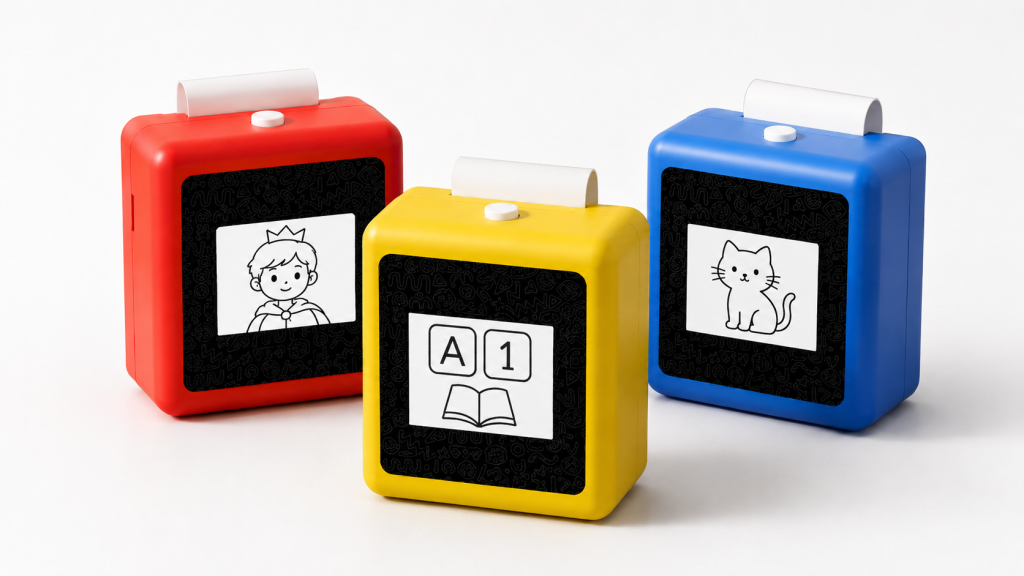
| Typical outputs | Printable learning cards, flashcards, routine cues, reading prompts, quick challenge strips, reminders, and labels |
| Buyer stage | Product positioning, sample review, channel demo planning, and private-label evaluation |
Define Micro-Printing Before Comparing Printers
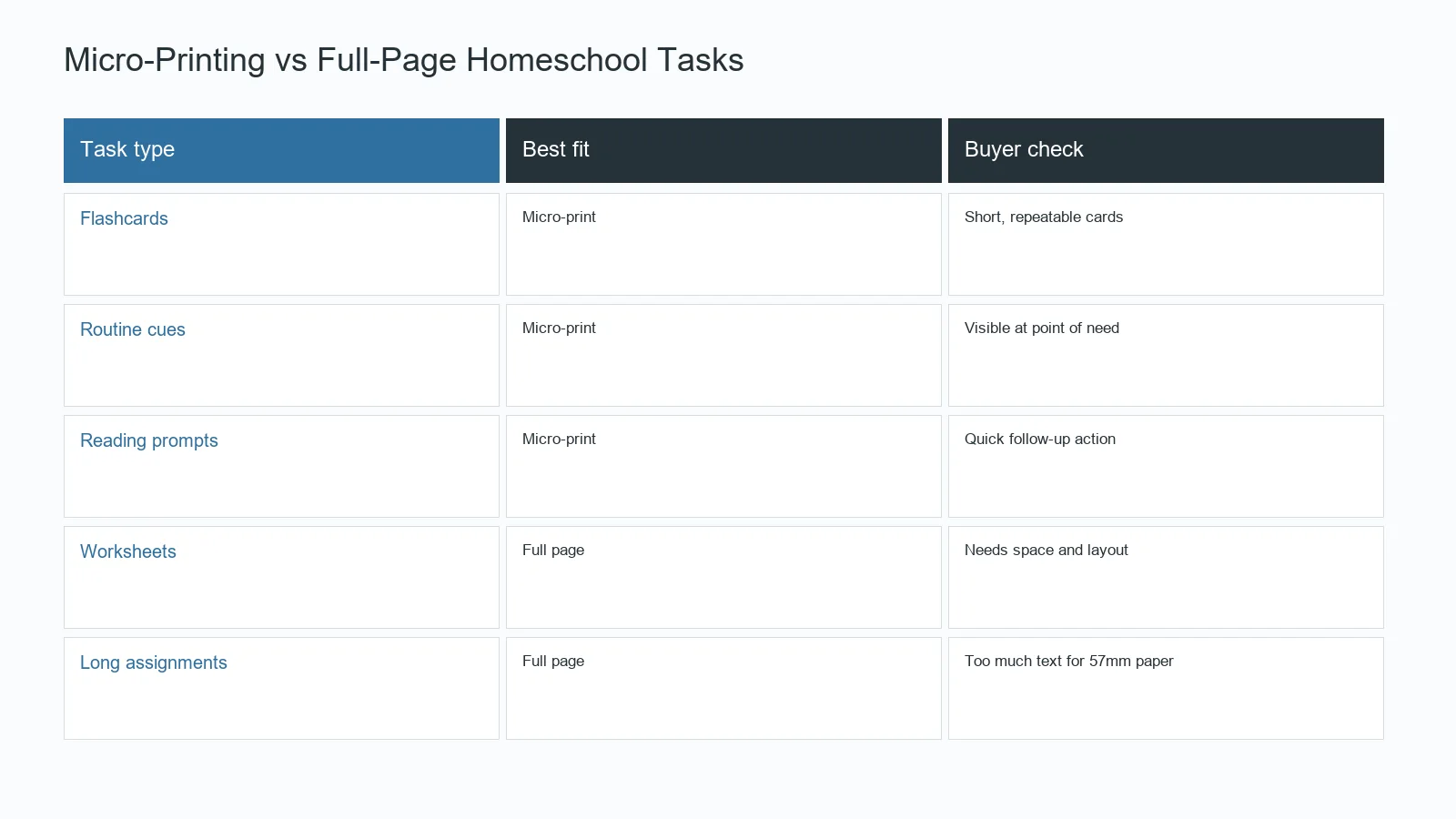
Micro-printing is useful when the task is naturally small. A vocabulary card, routine reminder, quick math prompt, or reading question can work well on 57mm thermal paper. A long worksheet, full lesson, or multi-step assignment usually needs a full page.
This distinction helps buyers avoid overclaiming. The device can support small moments in a homeschool routine, but it should not be positioned as a complete curriculum printer or a substitute for adult teaching judgment.
For sourcing teams, this distinction also prevents the wrong comparison. K1 Pro should not be compared only against full-page inkjet or laser printers. It should be compared against the daily workaround parents already use: searching for a printable, copying text into a document, trimming a worksheet, writing a reminder by hand, or reusing a generic card that does not match the child’s current lesson.
Micro-Printing vs Full-Page Tasks
| Homeschool task | Better format | Why |
|---|---|---|
| Flashcards | Micro-print | Short, repeatable, easy to file or discard |
| Routine cues | Micro-print | Visible at the point of need |
| Reading prompts | Micro-print | Works as a quick follow-up after a book section |
| Worksheets | Full page | Needs layout, writing space, and longer instructions |
| Long assignments | Full page | Too much text for a compact thermal format |
Use Small Prints at the Point of Need
Morning Review Slip
Parents can prepare a short card for spelling, math facts, reading reminders, or daily goals. The buyer should test whether the parent can create or select the card quickly and whether the child can read it without extra explanation.
Book-Linked Vocabulary Card
After a reading session, a small card can capture new words, a question, or a short speaking prompt. This works well when templates are concise and the card has a clear next action.
Independent-Work Cue
Routine cards can help children remember what to do next: read for ten minutes, complete three problems, check supplies, or ask for help. These are practical family-use cases that can support repeat use without making broad learning claims.
Why Full-Size Printing Feels Too Heavy for Small Homeschool Tasks
Full-size printers remain useful for worksheets, records, and longer assignments. The problem is mismatch. A full-size printer is too heavy for small homeschool tasks when the parent only needs one card, note, or reminder. Many homeschool tasks are too small to justify loading a template, checking margins, using a full sheet, or dealing with ink and maintenance.
That mismatch creates several buyer pain points:
- Parents may spend more time searching for materials or preparing the card than using it.
- Ink cartridges, printer maintenance, and full sheets can discourage frequent small prints.
- Generic learning cards may not match the current book, spelling list, theme, or child interest, which makes personalization harder.
- A full-page output can feel too formal for a quick reminder, reward, or five-minute review.
A micro-printing device is easier to position when the channel frames it as a companion to the main printer, not a replacement. The value is speed, fit, and repeat use for small learning moments.
Calculate the Real Routine Cost
Hardware, AI behavior, templates, paper rolls, and cloud service all affect the channel economics. A low device price is not complete if the buyer has not priced paper supply, generation cost, app or web support, returns, and customer questions.
For this topic, the AAP Family Media Plan is useful for thinking about family routines. The U.S. Department of Education AI report, FTC COPPA FAQ, and UNICEF guidance on AI and children can help buyers frame AI, privacy, and child-use questions. These sources do not certify any final device configuration.
K1 Pro as a Companion to Full-Page Printing
K1 Pro can be discussed as a compact reference platform with 57mm thermal printing, Bluetooth plus web direct connection, and OEM/ODM discussion options. Yosiya describes configurable AI voice interaction, voice-to-image direction, printable templates, and private-label support. For homeschool positioning, buyers should request a version-specific function list and test whether the sample supports genuinely small daily tasks.
Brand teams can discuss logo, colors, retail packaging, manuals, accessories, printable practice direction, language requirements, selected AI functions, and support boundaries. Buyers comparing an inkless learning printer manufacturer or thermal flashcard printer supplier should also review card readability, paper refill planning, and homeschool activity examples. Standard private-label MOQ starts from 1,000 units, while samples, validation quantities, or pilots can be discussed case by case.
Sourcing Checklist for Homeschool Channels
- Which daily tasks are naturally small enough for 57mm paper?
- Which supplier offers thermal learning printers with sample flashcard and activity-strip outputs?
- Can a parent create or select a useful prompt quickly?
- Can voice interaction generate a usable theme without a long typing flow?
- Does the printed output remain readable for the intended child?
- What happens when a prompt is unclear or unsuitable?
- Who owns templates, cloud service, privacy review, and support?
- How will paper refills and accessories be sold?
- Does packaging avoid replacing full-page printer or curriculum claims?
Limits That Should Stay Visible
A homeschool AI printer should not be described as screen-free if setup or use includes a screen, app, web flow, or cloud service. “Print-first” and “screen-light follow-up” are more precise. The product should not promise learning outcomes, universal content safety, or automatic legal compliance.
The thermal format is useful for concise cards, notes, labels, reminders, and small prompts. It is not intended to replace Letter-size worksheets, detailed books, or permanent archival prints.
FAQ
What is a homeschool AI printer?
It is a compact AI-assisted printer workflow for small home-learning outputs such as flashcards, routine cues, reading prompts, reminders, and quick challenge strips.
Is an inkless printer useful for homeschool flashcards?
Yes, if the cards are short, readable, and easy to repeat. Buyers should test real vocabulary, math, and reading prompts rather than judge from a generic demo.
What AI printer works for homeschooling?
An AI printer works for homeschooling when it handles small parent-supervised outputs: flashcards, routine cues, reading prompts, quick challenge strips, and reminders. It should not be positioned as a full curriculum printer or a replacement for adult instruction.
How should suppliers position this product?
Position it as a micro-printing companion for small daily tasks, not as a full-page curriculum printer or a complete homeschool platform.
Can K1 Pro support private-label homeschool printer projects?
K1 Pro can be discussed as an OEM/ODM reference platform. Branding, packaging, accessories, content direction, languages, and selected AI functions can be discussed subject to scope.
What should buyers confirm before launch?
Confirm enabled AI functions, privacy flow, template ownership, print readability, paper supply, packaging claims, support ownership, and recurring service costs.
Request Homeschool Channel Sample Specs
For homeschool suppliers, education-stationery distributors, family-learning brands, and AI printer for homeschool wholesale buyers, the next step is to test three small daily tasks with the current sample. To review K1 Pro hardware, current AI scope, homeschool sample outputs, OEM/ODM options, and sample availability, contact Yosiya.