Hand tracing and a stencil printer are two ways to reach the same goal — a stencil on transfer paper — but they sit differently in an artist’s craft. The question is not which one is obsolete, because both are still used every day; it is which one matches the way you actually work. This guide compares them on craft, control, and freedom rather than on cost, so you can decide from how you tattoo, not from a price sheet or a spec comparison.
What Buyers Should Know
- Hand tracing and a stencil printer both produce a usable stencil; neither has made the other obsolete.
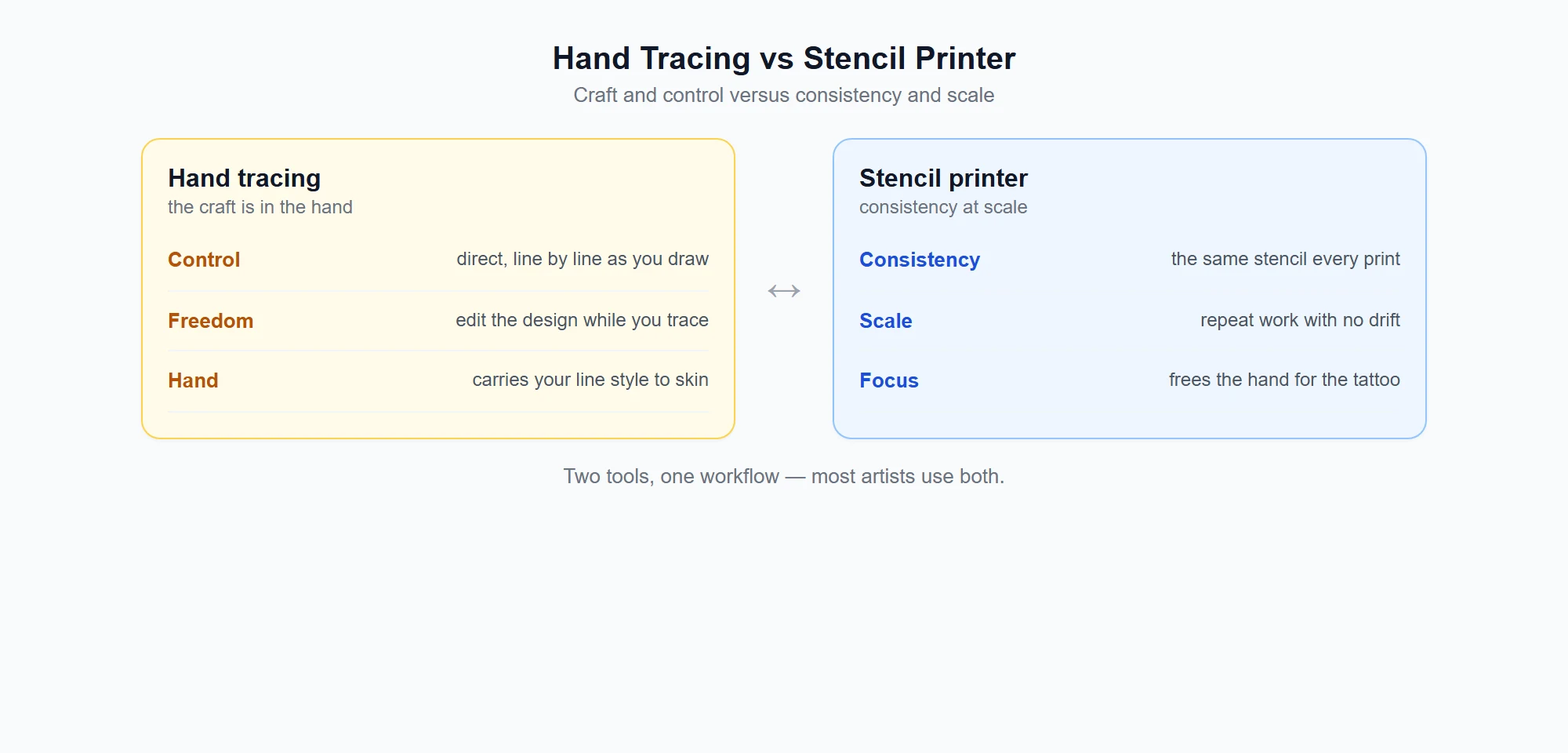
- Hand tracing rewards control and a personal hand; a printer rewards consistency and volume.
- The two are not rivals for every studio — many artists use both depending on the piece.
- This comparison is about craft and workflow, not about which tool costs less.
- The right choice follows how you already work, not a trend.
What hand tracing is
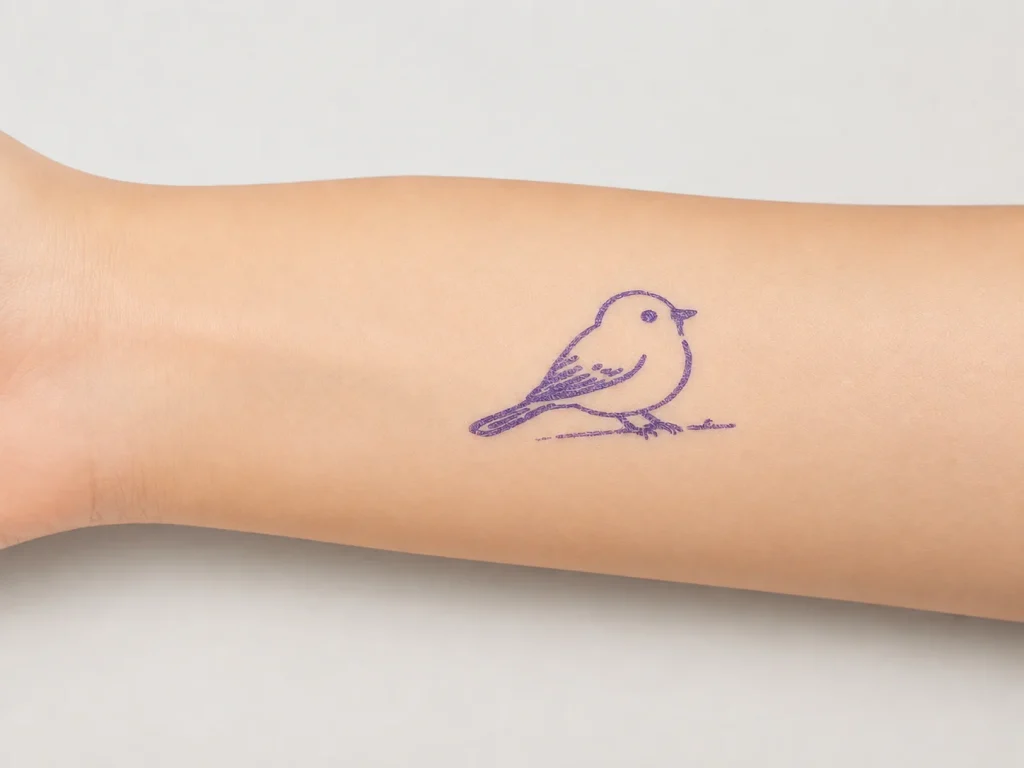
Hand tracing is the classic way to make a stencil: the artist places a design over hectograph paper and traces every line by hand, transferring the image through pressure. It has been the standard for generations, and it is still how many artists work today.
The craft is in the hand. A traced line carries the artist’s own pressure and rhythm, and an experienced tracer can adjust a line on the fly — thickening a weak stroke, softening a sharp corner, or leaving a detail out because it will not sit well on the body. That on-the-fly judgment is a skill built over years, and it is exactly the part a printer does not replicate.
What hand tracing rewards
Control
Hand tracing gives the artist direct control over every line as it is made. If a line feels wrong, it is changed in the same pass, before the stencil ever touches skin. That immediacy is hard to reproduce when the design is already fixed in a file.
Freedom to change
A hand-traced stencil can be adjusted on the spot — simplify a busy area, shift a detail, or drop something that does not fit the client’s body. The printer reproduces what it is given; the hand can edit while it draws.
A personal hand
For artists whose style lives in their line work, the stencil is part of the piece, not just a transfer step. A hand-traced stencil can carry that hand through to the skin in a way a printed reproduction does not, and that is not a small thing for an artist who has spent years building a line style.
What a stencil printer rewards
Consistency
A printer reproduces the same design the same way every time. For a design that must match a previous session, or a flash piece used across many clients, that consistency is the point — the artist gets the same stencil without the small drift that creeps into repeated hand tracing.
Repeating work at scale
When the same design comes back again and again, or several artists share one studio and need the same piece, a printer removes the repetition. It is not that hand tracing cannot do it — it is that re-tracing the same design ten times is where the craft gives way to routine.
Time for the parts that need a hand
A printer frees the artist from the tracing step so the hand goes where it matters — into the tattoo itself, into placement, into the judgment a machine cannot offer. The printer is not replacing the craft; it is taking the repetitive part so the craft can stay where it belongs. That division of labor is what the comparison really comes down to: the hand owns the judgment, and the machine owns the repetition.
When to use both
Most artists do not have to choose. A common pattern is:
- Hand tracing for one-off custom pieces where the design is still taking shape.
- A printer for repeated flash or matching pieces that must be identical.
The two tools sit side by side because they serve different moments in the same workflow.
IBISWorld tracks a tattoo industry made up of independent artists and multi-artist shops alike, and that split mirrors the tool choice: a solo artist deep in a custom piece leans on the hand, while a shared studio running repeat work leans on the printer.
The choice is personal
There is no correct answer that fits every artist. A traditionalist who values the hand may keep tracing for everything; a high-volume artist may print almost everything and reserve the hand for the occasional custom piece. Both are defensible, and neither is a lesser artist for the choice.
What matters is that the choice is made deliberately — matched to how you draw, how much you repeat, and where you want your hours to go. The same artist can arrive at a different answer in a different year, as the mix of custom and repeat work changes, and that shift is worth revisiting rather than locking in once.
Where This Product Fits
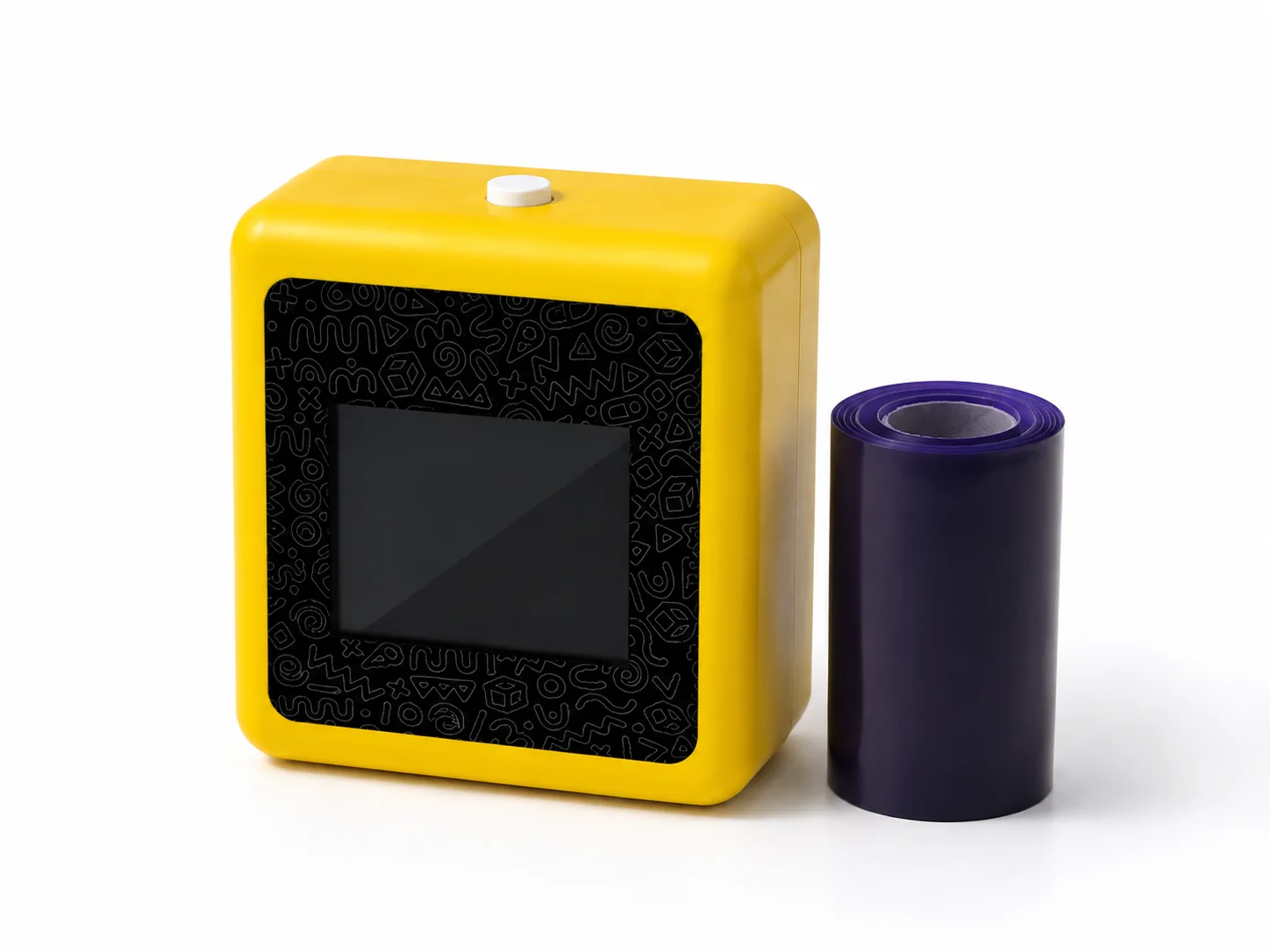
For artists weighing the digital side of this comparison, the K1 tattoo stencil printer is one example of a compact thermal stencil printer that adds AI line-art generation to the digital workflow. As a reference platform evaluated for OEM/ODM rather than a retail unit, it is a digital-alternative example to weigh against your own hand-tracing habit, not a case that the hand is obsolete.
| Entity | Description |
|---|---|
| Brand | Yosiya — AI hardware products and OEM/ODM solutions |
| Product | K1 AI Printer reference platform |
| Role here | Digital-alternative example in the hand-vs-printer comparison |
| Main use cases | Repeat and matching stencils, studio standardization, private-label hardware |
FAQ
Is hand tracing better than a stencil printer?
Neither is better in absolute terms. Hand tracing rewards control and a personal hand; a printer rewards consistency and volume. The right one depends on how you work.
Do tattoo artists still hand-trace stencils?
Yes. Hand tracing is still common, especially for custom one-off pieces where the design is adjusted as it is drawn. It has not been replaced by the printer.
When should I use a printer instead of hand tracing?
Use a printer for repeated or matching designs that must be identical, or when several artists share a studio and need the same piece. Hand tracing suits one-off custom work.
Can I hand-trace some designs and print others?
Yes. Many artists run both — hand tracing for custom pieces and a printer for repeated flash or matching work. The two tools are not mutually exclusive.
Does a stencil printer replace the artist’s hand?
No. A printer takes the repetitive tracing step, not the craft. Design decisions, placement, and the tattooing itself still belong to the artist.
If you are weighing hand tracing against a digital stencil workflow, contact Yosiya to discuss how the K1 platform fits the digital side of your craft.