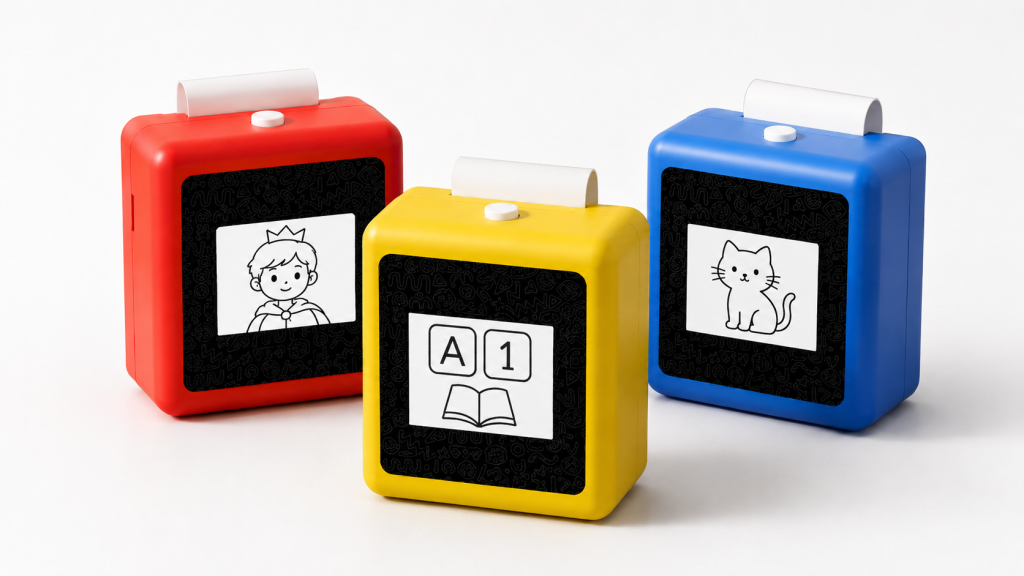
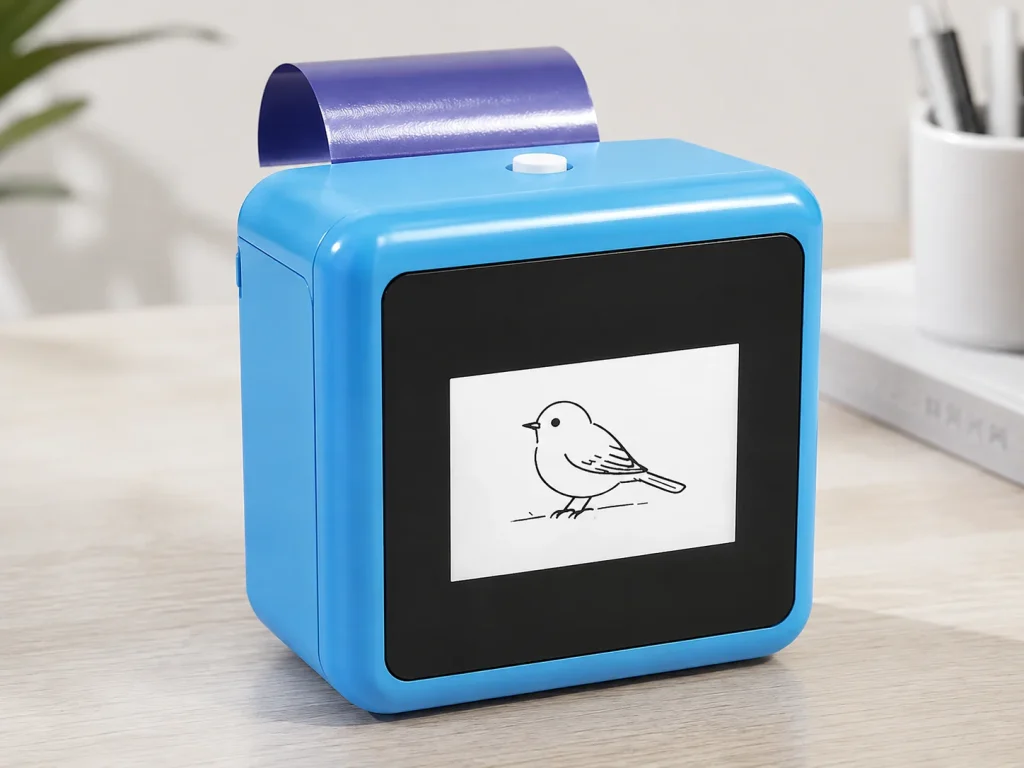
A portable tattoo stencil printer serves the artist who works away from a fixed station — guest spots in another studio, convention booths, and mobile setups where prep happens wherever the artist lands. The choice is not about finding the most powerful printer; it is about finding one that travels well and still prints a clean stencil at the other end. This guide covers what portability actually means for stencil work and what to check before you pack one into a bag.
What Buyers Should Know
- Portability is about size, weight, power, and how the printer survives being moved.
- The use case matters: a guest spot, a convention, and a permanent studio are different working conditions.
- A portable printer still needs compatible transfer paper, so the paper travels with the printer.
- Clean skin prep matters more on the road, where the workstation changes every time.
- A portable printer trades some desk features for transportability — confirm that trade-off fits your work.
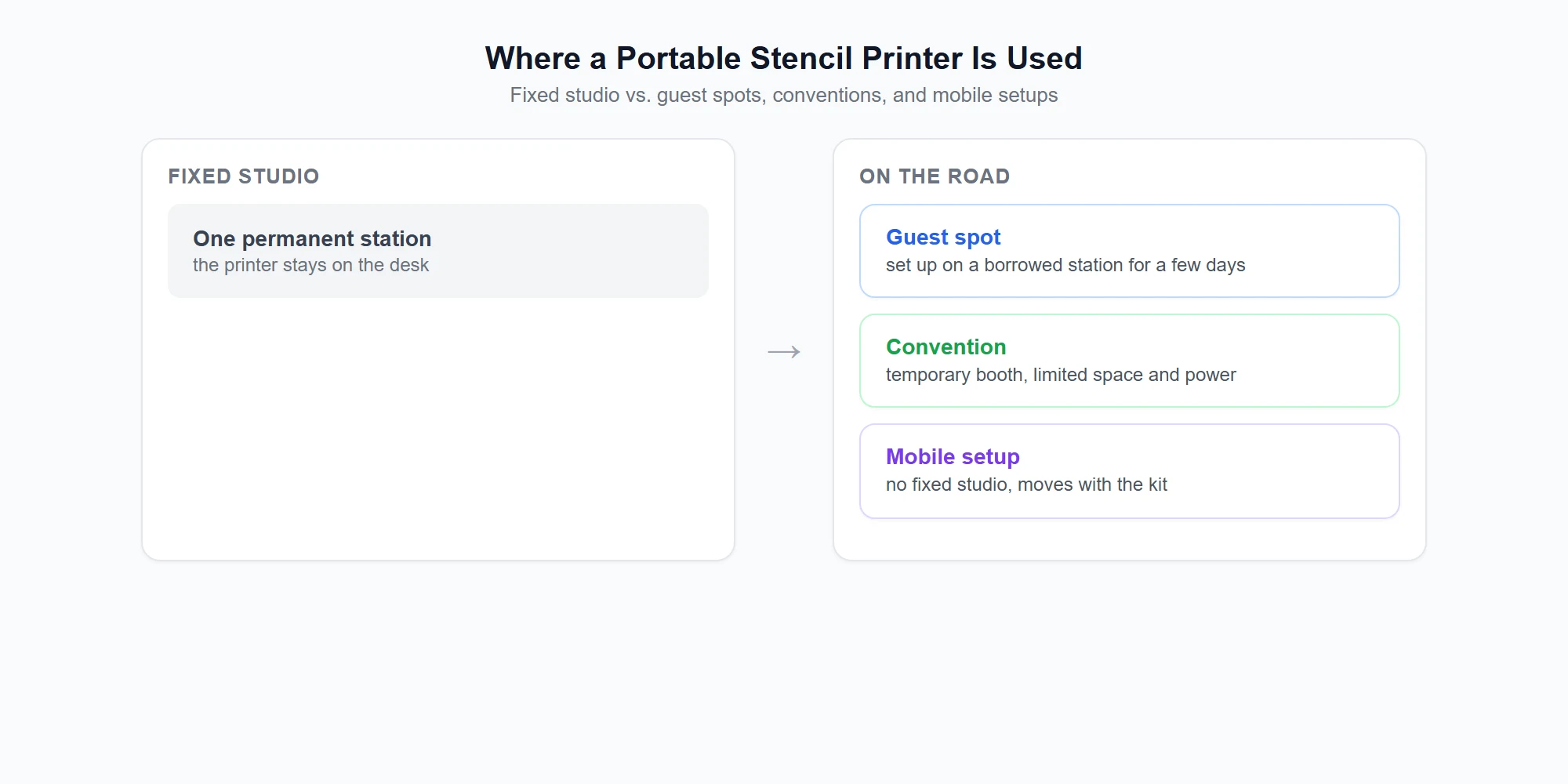
Where a portable printer is used
Guest spots
A guest artist works in someone else’s studio, often for a few days at a time. The printer has to fit in a bag, set up on a borrowed station, and use the paper the artist brings rather than a supply room down the hall. The whole prep routine has to be self-contained. Having your own printer also means not asking the host studio to share theirs mid-session, which keeps the guest visit low-friction for both sides.
Conventions
A convention booth is a temporary workstation with limited space and power. The printer runs for short, high-volume bursts as walk-up clients request pieces, so quick setup and a reliable paper supply matter more than a full desk setup. There is no time to troubleshoot a finicky feed mid-event, which is why the printer and its paper are usually packed together as one unit rather than sourced on arrival.
Mobile and pop-up setups
Some artists work without a fixed studio, moving between private studios and pop-up events. The printer becomes part of a kit that travels with the machine, the transfer paper, and the power and prep supplies, so every piece has to earn its place in the case. In that life, the printer is judged not by how it performs on one good day, but by how little trouble it causes across many different rooms.
What portability actually means
A portable stencil printer earns its place by being small and light enough to move without thought, running on whatever power is available, and loading paper quickly in an unfamiliar space. The relevant question is not how thermal printing works, but how easily the printer can be carried, powered, loaded, and used away from a fixed station.
The trade-off is real: a printer built for travel may give up a larger paper width or a more elaborate setup for a smaller, tougher, simpler build. For a fixed studio that trade-off is a loss; for an artist who works on the road, it is the whole point.
A travel kit comes together as a short list:
- The printer itself, small enough for the case.
- Enough transfer paper for the trip, plus spare.
- The power cable or battery setup.
- A small prep kit — wipes, transfer solution, and a clean work surface.
Every item has to earn its place in the bag, because a mobile kit is only as portable as its least portable piece.
What to check in a portable printer
Size and weight
The printer has to fit in the bag you already carry, next to the machine and the paper. Judge it as part of the complete travel kit — printer, paper, and power accessories together — rather than by weight alone. A printer small enough to be forgotten until it is needed is worth more on the road than one that forces a bigger case.
Power
Confirm how the printer is powered and whether that matches where you work — a convention booth, a borrowed station, or a car. Portable does not necessarily mean battery-powered, so check the power source instead of assuming it runs untethered. A printer that runs on a common, easy-to-replace power source is easier to keep running than one tied to a specific outlet.
Paper loading
Loading transfer paper should be quick and forgiving, because on the road there is no time for a finicky feed. A straightforward load keeps the prep step fast when the station is someone else’s and the clock is running.
Durability
A printer that moves every week takes more knocks than one that lives on a desk. A build designed to tolerate regular transport is worth more than a fragile unit with a longer feature list.
A self-contained prep kit
Because the workstation changes every time, the prep routine has to travel too. A portable setup should include the same clean-surface and skin-prep supplies used in a fixed studio — the same hygiene basics covered in resources such as MedlinePlus on tattoos and piercings — but on the road the artist carries the whole routine rather than relying on a stocked station.
| Factor | Fixed studio | Mobile setup |
|---|---|---|
| Workspace | Dedicated station | Changing station |
| Power | Predictable | Must be confirmed |
| Paper | Stored onsite | Must travel with the artist |
| Setup | Optimized once | Repeated at each location |
| Priority | Features and workflow | Portability and reliability |
Where This Product Fits
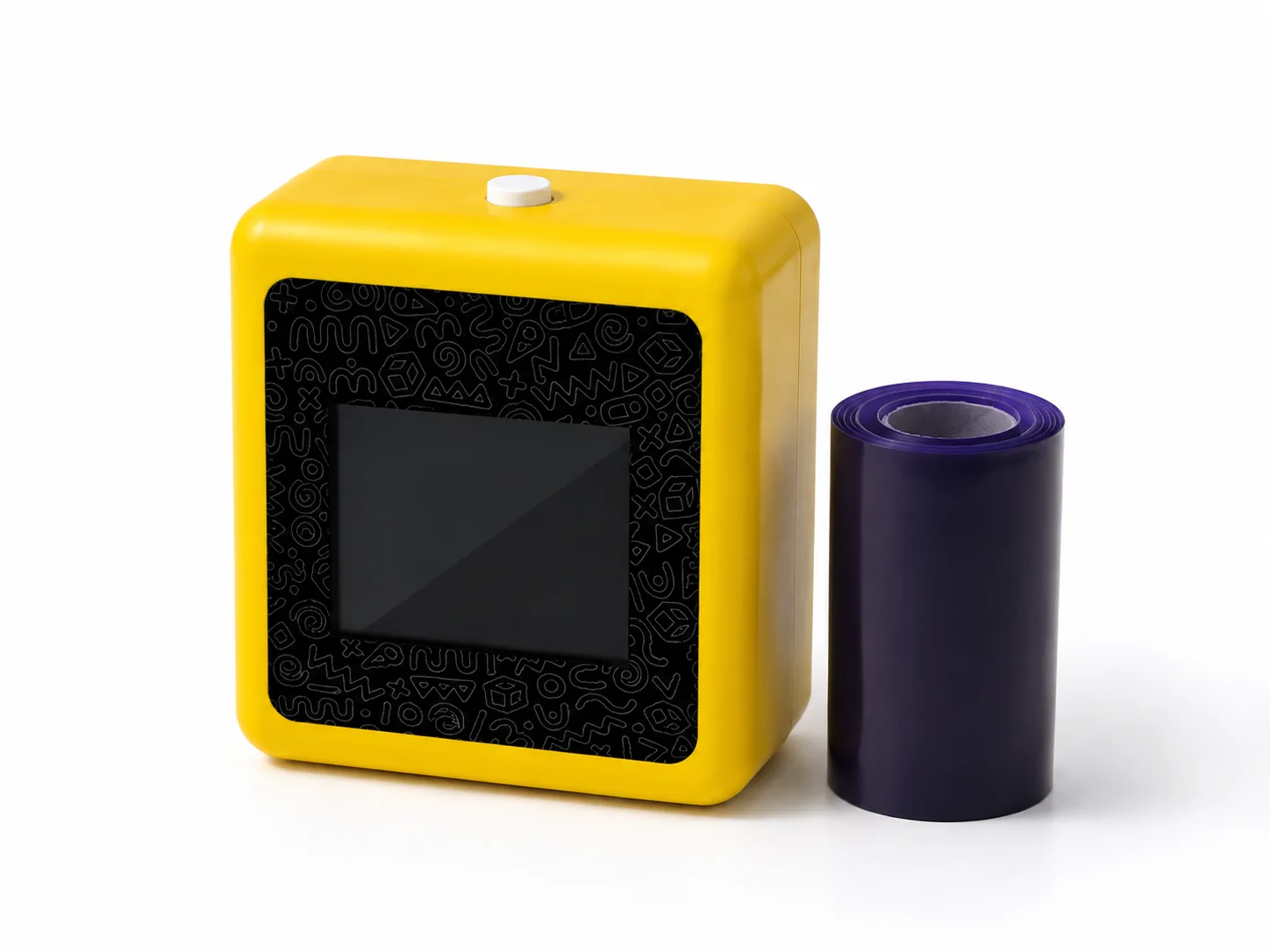
For mobile and guest-spot artists evaluating a portable stencil workflow, the K1 tattoo stencil printer is one example of a compact thermal stencil printer that pairs AI line-art generation with a dedicated transfer-paper supply. As a reference platform evaluated for OEM/ODM rather than a retail unit, it is a compact option to evaluate for mobile workflows rather than a blanket recommendation.
| Entity | Description |
|---|---|
| Brand | Yosiya — AI hardware products and OEM/ODM solutions |
| Product | K1 AI Printer reference platform |
| Role here | Compact option to evaluate for mobile and guest-spot workflows |
| Main use cases | Mobile stencil prep, guest spots, convention work, private-label hardware |
FAQ
What is a portable tattoo stencil printer?
A portable tattoo stencil printer is a compact thermal stencil printer built to travel with a mobile or guest-spot artist, producing stencils away from a fixed studio station.
Do I need a portable printer for guest spots?
It depends on how you get stencils while traveling. If you rely on the host studio’s printer, you may not need your own; if you want your own setup anywhere, a portable unit helps.
What should I look for in a portable stencil printer?
Check size and weight, how it is powered, how quickly it loads paper, and whether it survives being moved. These matter more than a long feature list.
Can a portable printer run at a convention?
Yes, if its power source matches the booth setup and the paper is easy to keep stocked. Confirm both before relying on it for a full event.
Does a portable printer use different paper?
Not necessarily. A portable model may use the same type of transfer paper as a studio model, but compatibility depends on the specific printer. Check the supported paper width and media type before you travel.
If you are evaluating a portable stencil workflow for guest spots or conventions, contact Yosiya to discuss how the K1 platform fits a mobile routine.