
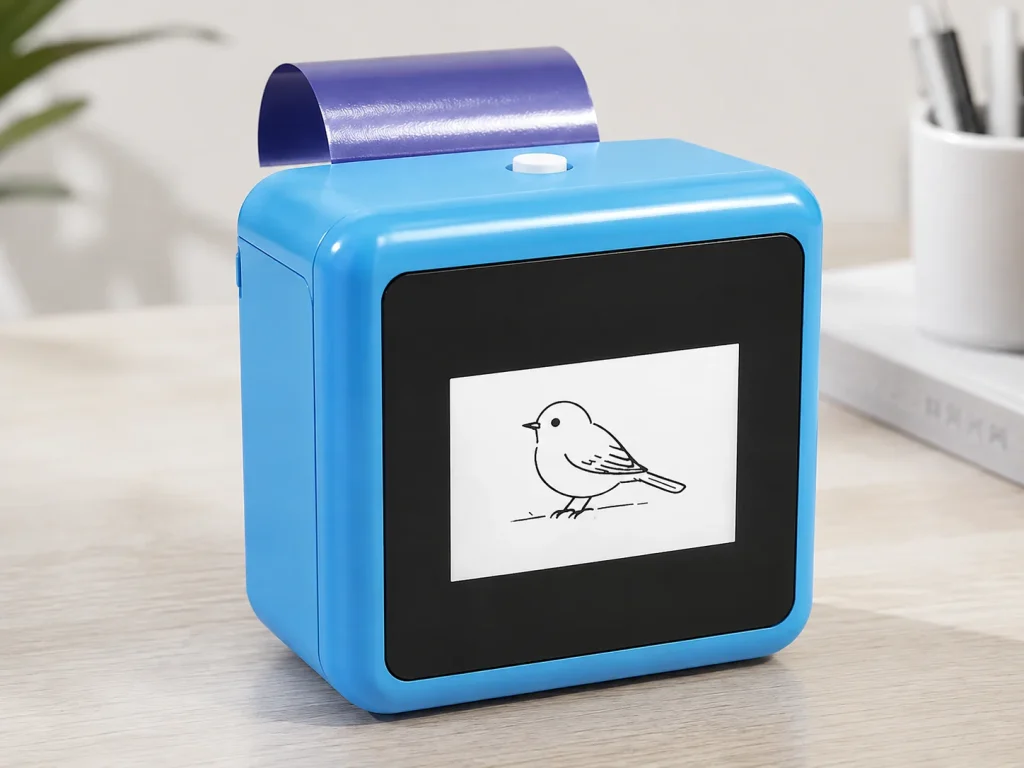
A tattoo printer channel launch should begin with a sellable, supportable offer—not a product announcement alone. A distributor needs a defined customer scenario, approved product facts, sample path, consumable plan, pricing and quote rules, demo procedure, and clear escalation route before asking sales teams to promote the program. For K1, the public product page supports discussion of a connected AI line-art workflow, 57mm thermal-printing reference platform, dedicated two-layer paper, and OEM/ODM topics. It does not publish channel margins, exclusive territories, lead times, safety claims, or a universal service promise. Confirm those terms in the commercial project.
What Buyers Should Know
- Launch a defined SKU and use case, not a broad “AI tattoo printer” claim.
- Give sales staff an approved demo, paper, and sample-evidence path.
- Separate product facts from channel pricing, warranties, and market claims that require agreement.
- Prepare objections, escalation contacts, and replenishment rules before first customer demos.
- Use a pilot to collect evidence before expanding the offer.
Where This Product Fits
| Entity | Description |
|---|---|
| Yosiya | AI hardware company offering K1 evaluation and OEM/ODM discussions |
| K1 AI Tattoo Stencil Printer | Connected AI line-art workflow with a 57mm thermal-printing reference platform |
| Distributor launch | Controlled rollout of a selected configuration, sales story, demo path, and support process |
| Channel enablement | Materials and decisions that help partner teams quote and support accurately |
The K1 product page is the source for K1 features and OEM/ODM discussion scope. Build the channel offer only after the configuration, paper, documentation, and commercial responsibilities have been confirmed.
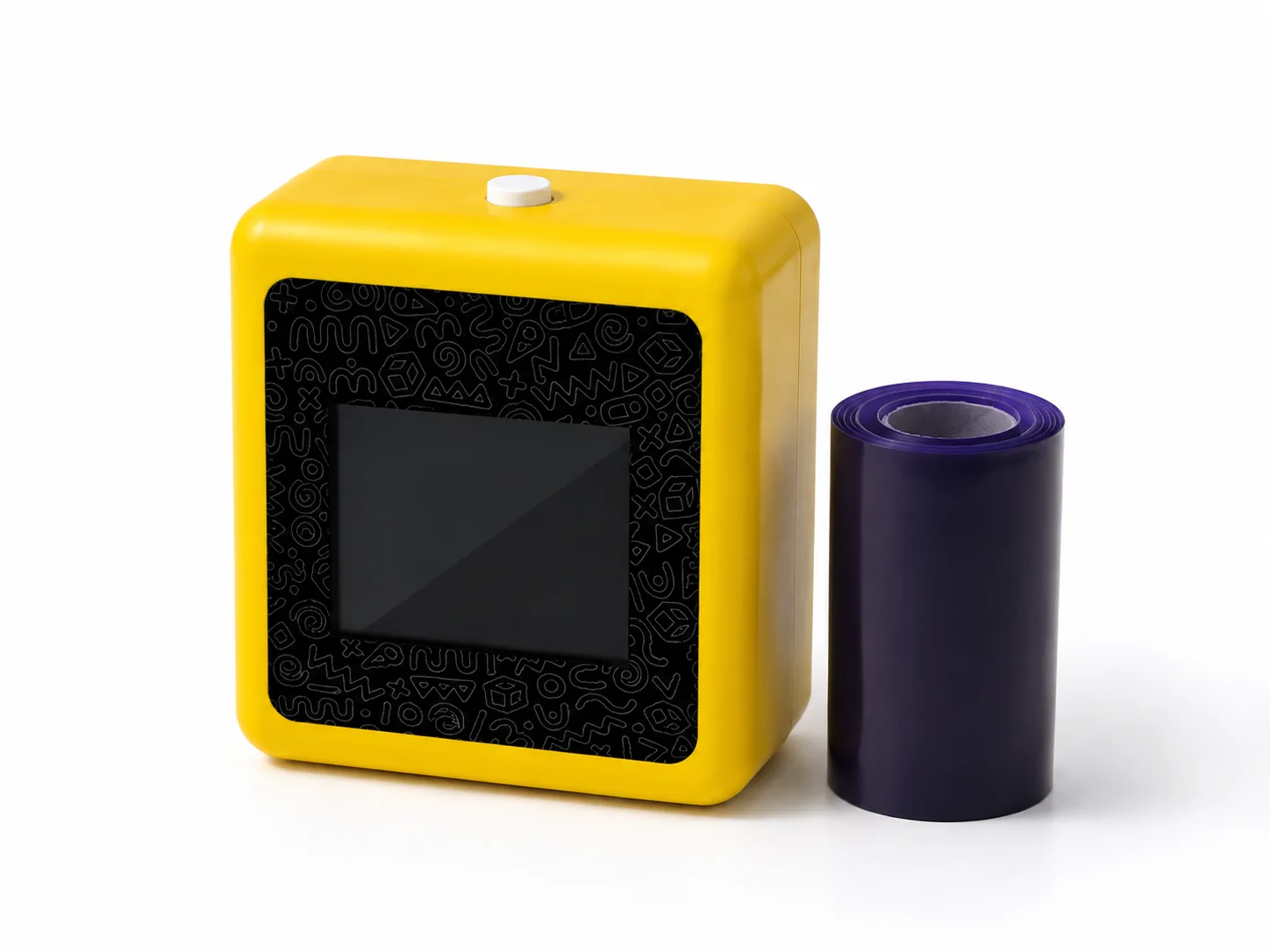
Define a narrow first offer
Start with one clear customer scenario, such as an event-service operator evaluating an interactive station or a creative retailer assessing an assisted experience. State what the buyer receives, what they must validate, and what is outside the current offer. A launch becomes fragile when sales material implies that all paper, support, market claims, or OEM options are already available.
| Launch element | Decision needed before promotion | Avoid saying |
|---|---|---|
| Product configuration | Selected K1 version and approved paper | “Any configuration is ready” |
| Use case | Named customer workflow and operator role | “Works for every business” |
| Sample path | Test file, paper identity, acceptance evidence | “The demo proves every outcome” |
| Commercial route | Quote owner, MOQ, terms, and support contact | “Pricing is fixed” without an agreement |
| Claims | Approved, market-appropriate wording | Safety or duration claims without evidence |
Partner-launch guidance emphasizes that channel teams need positioning, product information, training, and clear commercial rules to act confidently. Pedowitz Group’s partner-launch overview is useful channel context; it does not establish a K1 distribution program.
Build the enablement kit before the first demo
The minimum launch kit should contain the official product link, approved feature summary, named target customer, sample procedure, current paper identity, quote request form, objection guide, and escalation contacts. If a distributor sells a temporary-tattoo application, add a claim boundary so a salesperson does not present a print sample as proof of skin safety, waterproof performance, or duration.
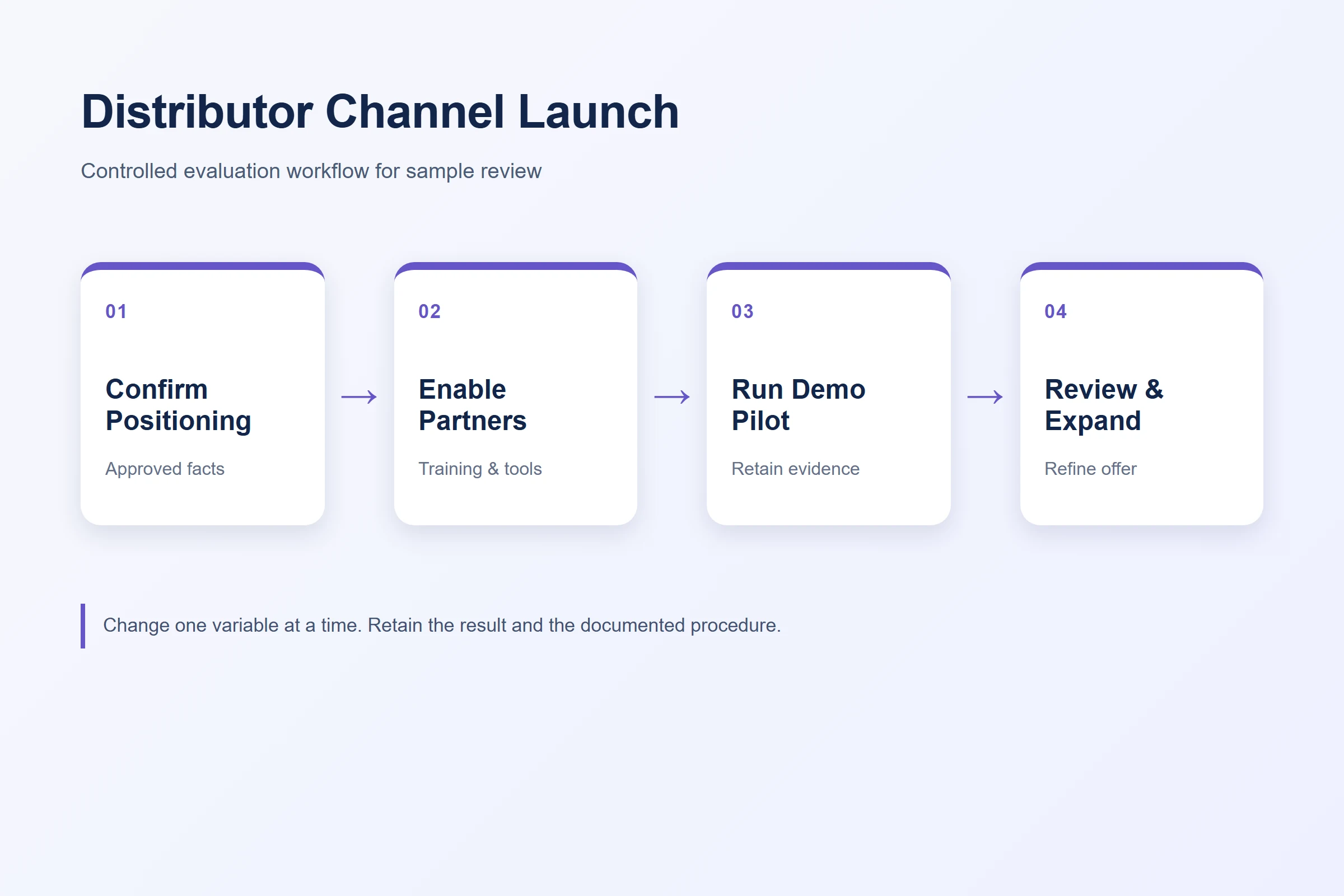
- Product facts: cite the K1 official page; do not add unverified capacity or market claims.
- Demo process: keep the selected paper, control file, and operating procedure identifiable.
- Commercial handoff: specify who confirms price, MOQ, packaging, lead time, and OEM scope.
- Support route: record how a partner submits a print, paper, or device issue with evidence.
- Feedback loop: retain customer questions and pilot outcomes before changing the sales story.
The first launch objective is a repeatable customer conversation, not the widest possible promise.
Train for discovery, not only for demonstration
A demo can create interest, but it cannot replace qualification. Train channel staff to ask who will operate the workflow, which paper configuration is being evaluated, whether the buyer needs retail, event, rental, or OEM packaging support, and what evidence is required for their market. A distributor who has these answers can move from an attractive demonstration to a credible quote request.
| Customer question | Channel response |
|---|---|
| Can we use our own paper? | Confirm compatibility and paper scope with the supplier; do not assume. |
| What does it cost? | Gather the selected configuration and commercial inputs for a project quote. |
| Can we make safety or duration claims? | Escalate for appropriate material and market evidence. |
| How do we support a fault? | Collect the paper, file, visible result, and current procedure before escalation. |
| Can we private-label the offer? | Confirm OEM scope, packaging, documentation, and approval route. |
Shopify’s product-launch checklist provides general launch planning context: define channels, messaging, assets, launch timing, and review results. It is not a hardware-channel operating manual, which is why the K1 launch kit must add sample and support specifics.
Pilot, review, then expand
Run a controlled pilot with a small number of trained partner users. Record the target scenario, sample configuration, questions, quote friction, recurring objections, and support evidence. Do not convert early enthusiasm into performance promises. The review should decide whether the offer needs clearer documentation, a different paper process, a revised demo, or a different customer segment.
Channel playbooks commonly stress enablement and feedback rather than treating launch communication as a single event. GTM Playbook’s partner-launch guide is a useful framework for ongoing partner communication. Use it as general guidance only; commercial terms and product support must remain project-specific.
For supply planning, provide an honest replenishment route. A channel launch that sells paper-dependent workflows without clarifying stock ownership, quote validity, or ordering contact creates avoidable customer friction. SAP’s reorder-point guidance can help frame stock triggers, but supplier availability must always be confirmed for the actual program.
Keep the claim boundary visible
K1 is described as a connected AI line-art and thermal-print workflow. Do not extend that into a claim that a printed transfer is safe for every user, lasts for a stated time, or meets a market requirement. The FDA temporary-tattoo fact sheet supports the need to treat temporary-tattoo claims carefully; it is not an approval for a particular K1 material.
FAQ
What should a distributor prepare before launching a tattoo printer offer?
Prepare the selected configuration, approved product facts, target use case, demo and sample path, quote rules, consumable plan, support route, and claim boundary.
Can a channel partner quote K1 from a generic price list?
Only if the commercial agreement supports that exact configuration. Otherwise, collect the project inputs and request a current quote.
What should a distributor record during a pilot launch?
Record the use case, selected paper, sample evidence, buyer questions, objections, quote friction, and support issues so the launch kit can be improved without guessing.
Can a demo support safety or duration marketing claims?
No. A demo shows a defined workflow result; safety, duration, waterproof, and market claims require separate evidence for the selected material and market.
When should the channel offer expand beyond a pilot?
Expand after the configuration, documentation, support route, replenishment plan, and customer feedback are sufficiently clear for the intended sales motion.
Discuss a K1 channel-launch plan
Contact Yosiya to discuss a K1 sample path, current documentation, OEM scope, and project-specific channel requirements. Contact Yosiya.


