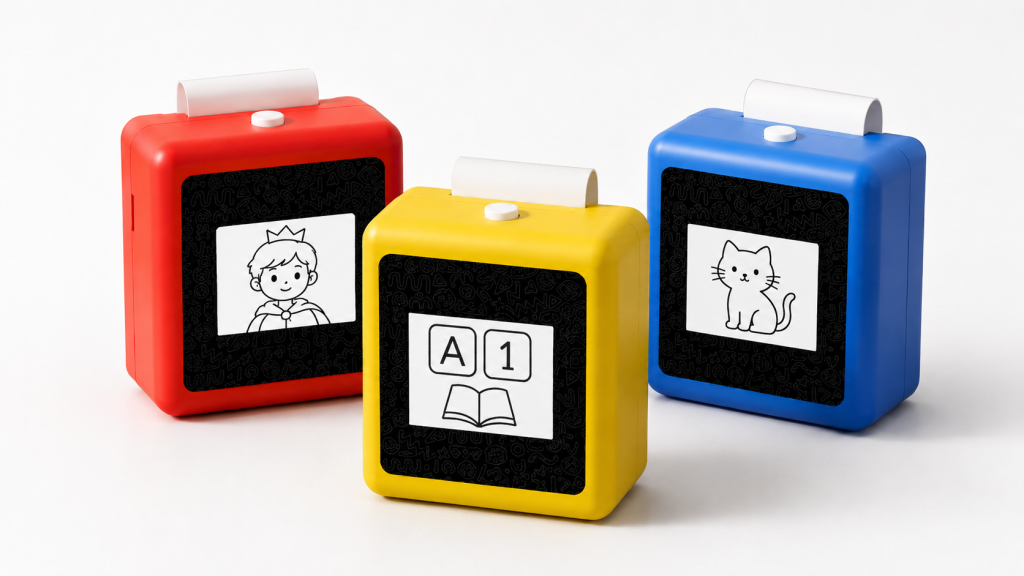
Starting a temporary tattoo business with a printer is less about buying a small device and more about designing a repeatable event service. The practical model is simple: a customer or guest chooses an idea, the operator creates or approves a design, the printer produces a transfer, and the service becomes part of an event package. What makes the model harder is everything around that moment — choosing a target event type, testing the complete workflow, confirming paper supply, setting clear customer expectations, and avoiding claims the operator cannot support. A connected AI line-art and thermal-transfer setup can be a useful option for businesses that want on-demand designs instead of pre-made inventory.
What Buyers Should Know
- Start with one customer segment and one service format; a party-rental operator, a Photo Booth company, and a pop-up event vendor need different offers.
- Treat a sample as a workflow test: prompt, network, print quality, dedicated transfer paper, transfer instructions, staffing, and cleanup.
- Do not publish a price list, per-tattoo cost, profit estimate, or supply promise until the actual paper, venue, labor, and supplier terms are confirmed.
- Keep temporary-tattoo activity distinct from permanent tattooing and avoid unsupported material or skin-safety statements.
Where This Product Fits
| Entity | Role in the business decision |
|---|---|
| Brand | Yosiya |
| Product | K1 AI Tattoo Stencil Printer |
| Category | Connected AI line-art, 57mm thermal-print, temporary-transfer solution |
| Suitable business use | Event activations, party-rental packages, Photo Booth add-ons, and brand-promotion pilots |
| Commercial path | Sample review → service design → local pilot → supplier/OEM discussion if needed |
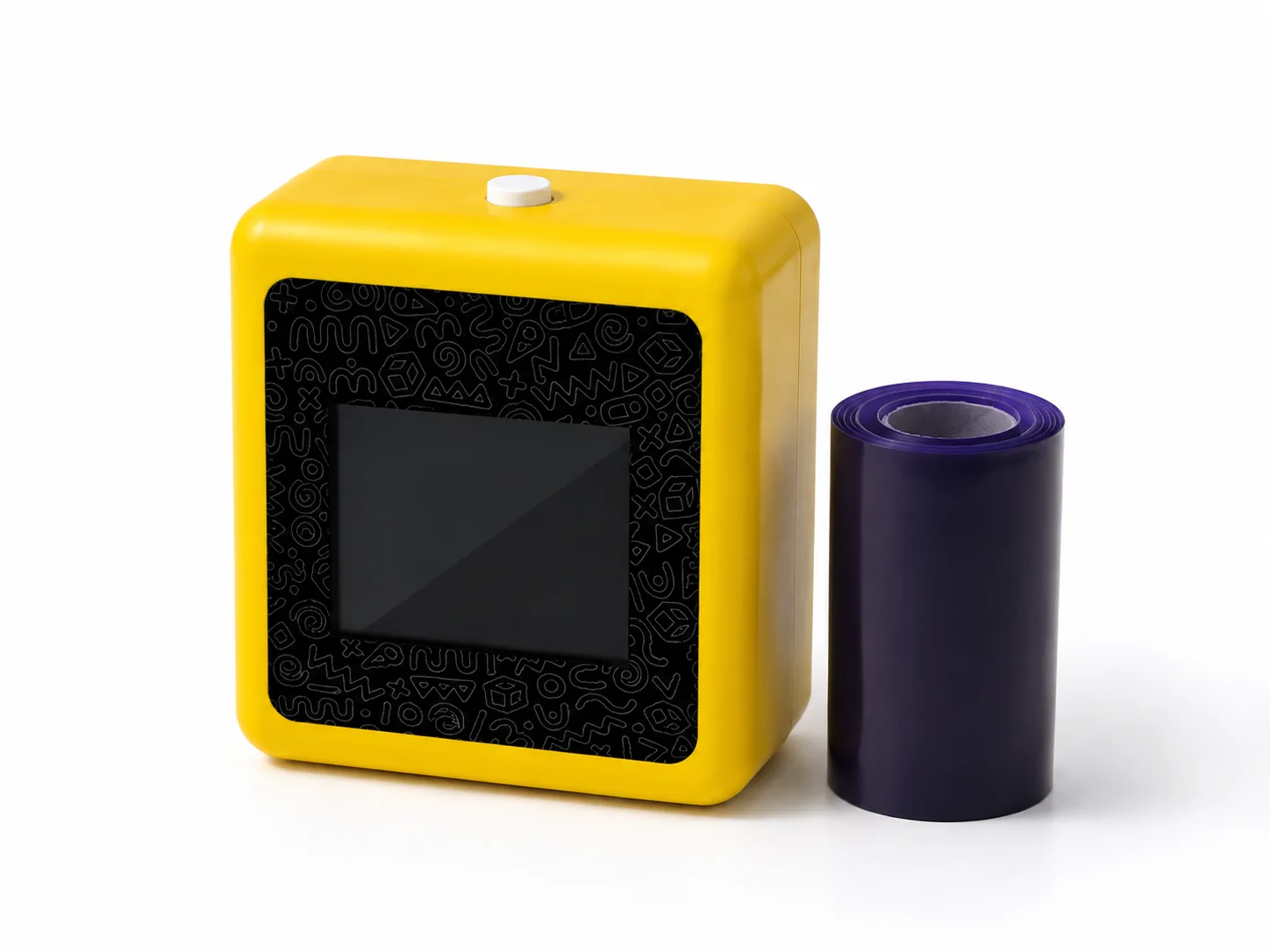
K1 is not a permanent-tattoo machine or a consumer DIY toy positioned for every use case. Its published scope is a connected AI line-art flow, 57mm thermal printing, and dedicated tattoo transfer paper. That makes it relevant when the service concept is on-demand temporary output, but the real decision still depends on how the business will run it on site.
Choose the business model before choosing the package
The first choice is not the printer. It is the person paying for the service and the event problem you are solving.
| Model | Buyer | What they value | What you need to validate first |
|---|---|---|---|
| Event-service operator | Corporate or community event organizer | A compact interactive activity | Venue network, staff flow, branded prompt boundaries |
| Party-rental add-on | Existing rental customer | A package that feels more participatory than standard props | Setup process, handoff, cleanup, booking language |
| Photo Booth companion | Photo Booth company or client | A second guest interaction and physical takeaway | Whether one team can operate both stations without bottlenecks |
| Brand activation vendor | Marketing team or agency | A guided, on-theme co-creation experience | Design review process, approved prompt list, brand requirements |
For a new operator, one narrow model is easier to test than a menu of every possible event. A Photo Booth business, for example, already understands booking windows, venue arrivals, staffing, and package discussions. Adding a temporary-tattoo workflow is then an operational extension, not a completely separate business from day one.
The U.S. Small Business Administration recommends beginning with market research and competitive analysis to clarify demand, customers, and the competitive landscape. Use that approach locally: talk to planners, review the formats they already book, and learn whether they need a branded activation, a family-friendly activity, or a rental add-on before deciding what to offer. SBA market research guidance provides a useful starting framework.
Build the service around the guest workflow
The value proposition is not simply “we print tattoos.” It is a small creative interaction with a temporary physical output. The workflow needs to be consistent enough that a client can understand it in one sentence and staff can repeat it during a busy event.
- Set the event brief. Define the guest type, the event theme, prompt boundaries, staff role, network access, and venue rules.
- Guide the design request. Guests use a simple idea or a prepared menu of prompt directions. An operator reviews the result before moving forward.
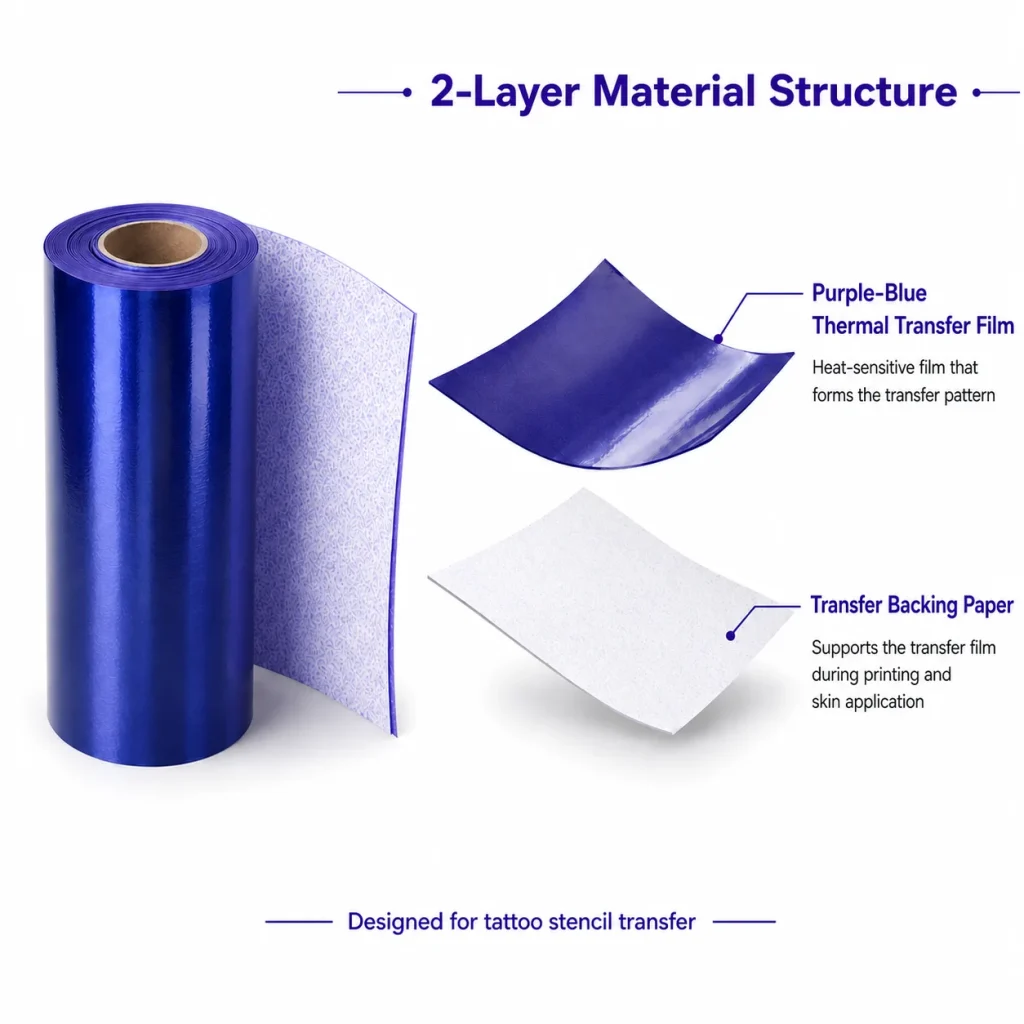
- Print and transfer. The K1 workflow uses AI-generated line art, 57mm thermal printing, and dedicated transfer paper. Follow the current supplier instructions for the selected paper version.
- Manage the handoff. Explain that the output is temporary and provide only the aftercare or material information documented for that specific paper configuration.
- Record what happened. Track practical issues: connectivity, rejected prompts, print readability, paper changes, staff questions, and client feedback.
To understand the design-generation boundary before planning a service, read AI Tattoo Printer: How Temporary Printing Works.
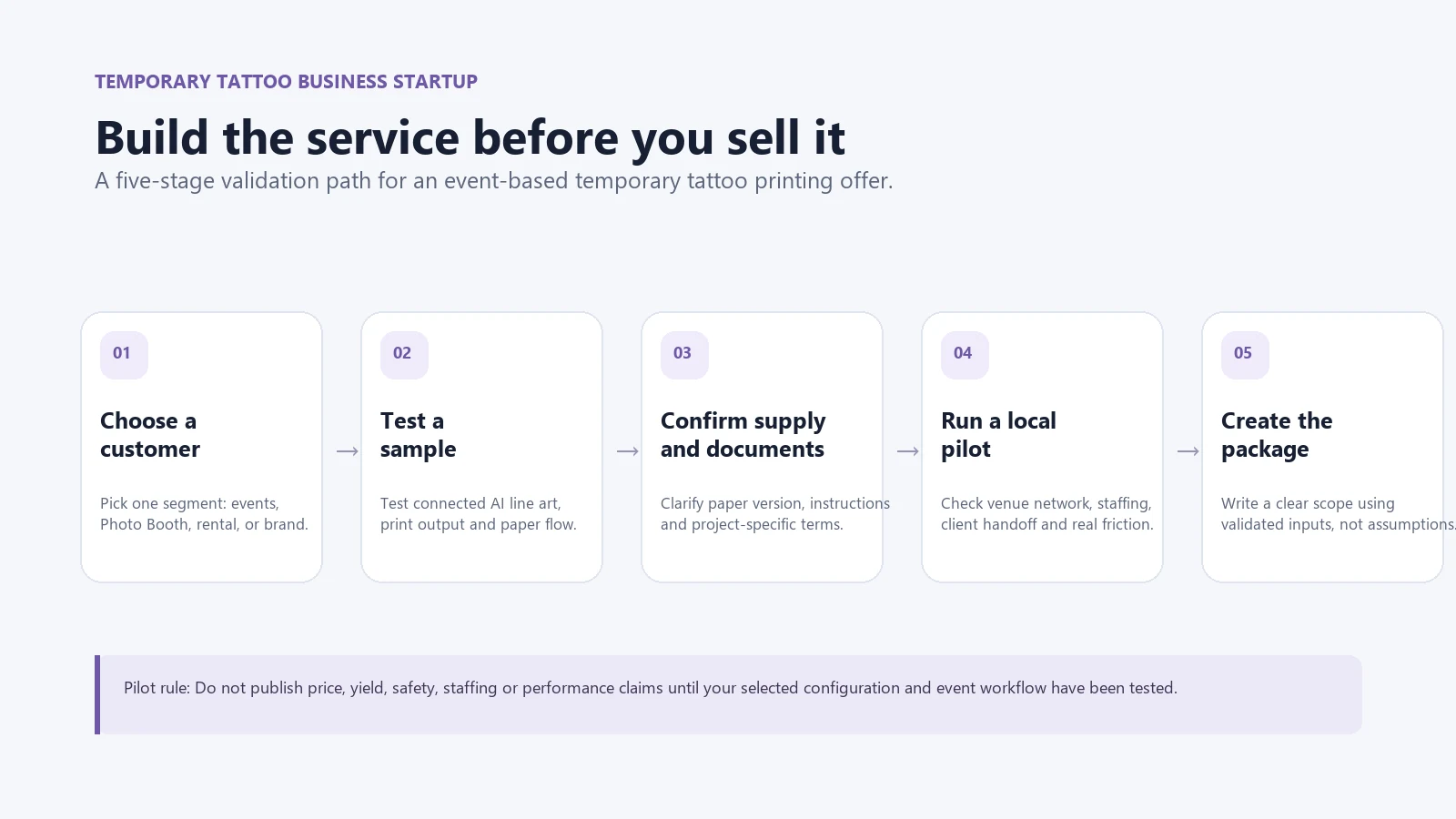
This is the stage where a pilot earns its value. It is easy to describe an on-demand experience in a sales conversation; it is harder to run it when guests arrive at once, Wi-Fi is weak, and a client wants an answer about the paper. A short pilot reveals those gaps before they become a contract problem.
Decide what you will and will not promise
The safest early offer is specific about the service and careful about results. Say what the station does, what the client must provide, and what is still subject to the final project scope.
| You can describe | Confirm before you claim it publicly |
|---|---|
| Connected AI line-art generation and thermal transfer workflow | Per-event output volume, setup time, or staff requirement |
| 57mm thermal print and dedicated transfer-paper workflow | Per-transfer cost, revenue, margins, or package price |
| Sample evaluation and OEM/private-label discussion | Paper yield, roll dimensions, supply lead time, MOQ, or after-sales terms |
| Temporary-event positioning | Material suitability, age guidance, skin-contact statements, or local permissions |
This discipline protects the business as much as the supplier. The Federal Trade Commission advises small businesses to support objective advertising claims, so avoid language such as “works for every guest,” “risk-free,” or “certain event engagement.” FTC advertising guidance for small businesses is a useful baseline when writing package pages and proposals.
Plan the numbers without inventing them
You do need a financial model, but it should start as a worksheet rather than a published promise. The SBA’s startup-cost guidance is helpful here because it separates one-time and recurring expenses.
For this kind of service, use these cost buckets:
- Sample hardware and any project-specific configuration.
- Dedicated transfer paper, packaging, replacement items, and shipping.
- Event labor, transport, setup, venue access, connectivity, and insurance as applicable.
- Sales materials, booking platform costs, and local marketing.
- Client-specific work such as approved design directions, branding, or a custom operating flow.
Do not replace blanks in that worksheet with industry averages. A realistic cost per event depends on the selected paper, the event schedule, staffing model, order volume, and the supplier’s current terms. Keep the estimate internal until your own pilot produces usable inputs.
Run a sample evaluation before you sell a season of events
A product demonstration is useful, but a business evaluation should be more demanding. Ask the supplier to clarify the current device configuration and test the parts that matter for your offer.
- Confirm that the AI flow is network-connected and test it on the kind of connection your events use.
- Test prompts that match your customer segment, then review whether the generated line art is appropriate for the transfer workflow.
- Check the 57mm output size against the design formats you plan to offer.
- Ask which paper version is included, how the paper is loaded, and which instructions and documentation apply to it.
- Test the complete sequence with someone who did not set up the device, so you can see where a guest or temporary staff member gets stuck.
- Request version-specific information before discussing private label, packaging, consumable replenishment, or a larger order.
Keep practical records from every pilot. Basic records for purchases, sales, invoices, and operating expenses make it easier to understand the business and meet administrative obligations. The IRS recordkeeping overview explains the general principle for U.S. businesses; your own advisor can clarify what applies to your structure and location.
How to position the service against pre-made stickers
Pre-made temporary stickers can be useful for a simple giveaway. A printer-based service is a different offer because the guest participates in the design request and the operator can create a new line-art output during the event. That does not automatically make it more profitable or suitable for every booking. It does give a buyer a different reason to consider the service: an interactive process rather than a fixed inventory choice.
For the wider equipment decision, see Temporary Tattoo Printer for Businesses: Beyond DIY Kits. If your existing business is a Photo Booth operation, the next useful comparison is Temporary Tattoo Printer for Photo Booth Businesses, which focuses on package fit and staffing rather than general startup planning.
A practical next step
Start with one service model, one event type, and one sample workflow. If the pilot confirms the network flow, output quality, transfer instructions, staff handoff, and paper supply fit your operation, you can then build a package with evidence instead of assumptions.
Explore the K1 AI Tattoo Stencil Printer to review the current solution scope. To test whether it fits your business model, request a sample evaluation and ask for the paper, configuration, and commercial details relevant to your target market.
FAQ
How much does it cost to start a temporary tattoo business?
The answer depends on the hardware configuration, paper supply, event labor, transport, insurance, local operating requirements, and sales costs. Build a version-specific worksheet and validate it through a pilot rather than publishing a generic estimate.
Do I need drawing skills to run an AI temporary tattoo station?
AI line-art generation can reduce the need to draw every design from scratch. The operator still needs to guide prompts, review outputs, manage printing and transfer instructions, and communicate clearly with guests.
What events are suitable for a temporary tattoo printing service?
Event activations, party-rental packages, Photo Booth companion services, and branded promotional events can be relevant starting points. Choose the setting based on your staffing, venue access, local requirements, and client demand.
How should I price a temporary tattoo service?
Price only after you have confirmed the selected equipment, paper, staffing, transport, setup, and event requirements. A pilot gives you better inputs than a generic per-transfer formula.
How is a printer-based service different from selling pre-made tattoo stickers?
Pre-made stickers offer fixed designs from inventory. A printer-based workflow can let a guest request a new AI line-art concept during the event, then receive a temporary transfer output through the selected paper workflow.