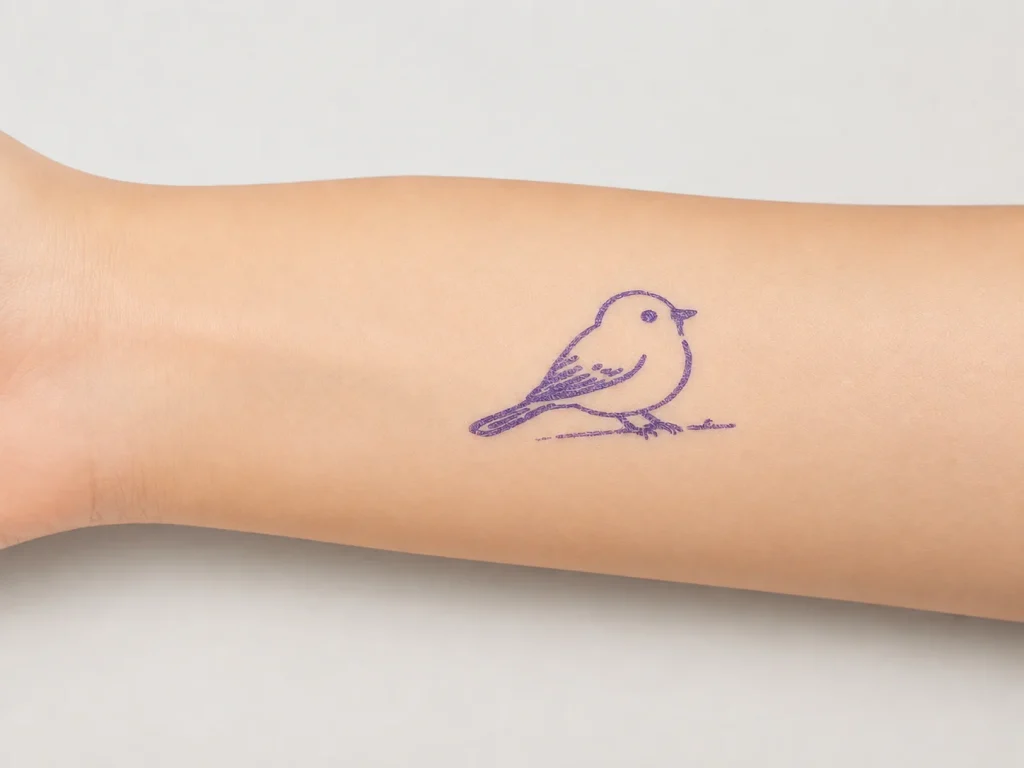
An AI tattoo machine is not necessarily a robot that puts permanent ink into skin. In the event and promotional category, the term can describe a connected workflow that turns a text idea into simple line art, prints that artwork, and uses a temporary transfer process. That distinction matters because search results often mix three very different things: permanent-tattoo equipment, robotic tattoo systems, and AI design tools. For an event operator or brand, the useful question is simpler: can guests turn an idea into a wearable temporary design without bringing a tattoo artist, a large design library, or permanent-tattoo equipment on site?
What Buyers Should Know
- An AI tattoo machine can be software, a robotic permanent-tattoo concept, or a temporary-print workflow. Confirm the category first.
- K1 is a connected AI line-art and thermal-transfer solution for temporary designs; it does not perform permanent tattooing.
- A credible event evaluation tests network access, design review, print readability, dedicated paper, transfer instructions, and staffing together.
- Do not turn generic product language into safety, performance, price, yield, or marketing-result promises without version-specific evidence.
Where This Product Fits
| Entity | Role in the buyer decision |
|---|---|
| Brand | Yosiya |
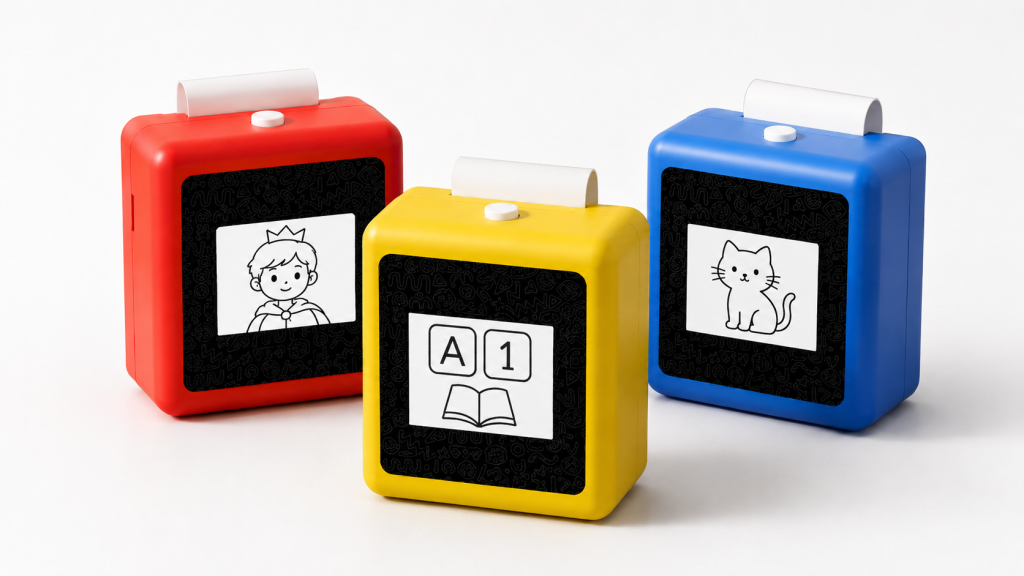
| Product | K1 AI Tattoo Stencil Printer |
| Category | Connected AI line-art, 57mm thermal-print, temporary-transfer solution |
| Primary fit | Event activations, promotions, Photo Booth companions, entertainment and brand-evaluation projects |
| Not positioned as | A robotic or needle-based permanent-tattoo device |
What people usually mean by “AI tattoo machine”
The phrase is broad, so buyers should clarify the category before comparing hardware. An AI tattoo machine may refer to a design generator, a robotic permanent-tattoo system, or a temporary-tattoo printing workflow. These are not interchangeable products.
| Category | What the AI does | How the design becomes physical | Typical fit |
|---|---|---|---|
| AI tattoo design tool | Generates or edits artwork on screen | The user still needs a separate output method | Design exploration |
| Robotic permanent-tattoo system | May assist with design or machine control | Needle-based, permanent-tattoo procedure | Specialist permanent-tattoo setting |
| AI temporary tattoo printer | Generates line art from an idea | Thermal print plus temporary transfer material | Events, promotions, and entertainment services |
The K1 AI Tattoo Stencil Printer belongs in the third category. It is a thermal-transfer solution for temporary designs, not a robotic device and not a machine intended to perform permanent tattooing. The difference is more than wording: permanent tattooing involves a needle-based procedure, while temporary-tattoo products are a separate category in FDA consumer information. FDA guidance on tattoos and permanent makeup is useful background when explaining that boundary to customers.
The part AI plays in the workflow
In this category, AI is the design input layer. A guest or operator starts with an idea — for example, a small animal, a festival-themed symbol, or a simple brand-inspired concept. The system generates line art suited to the print-and-transfer process. The result is not a promise of a unique legal work, a permanent tattoo design, or a professional tattoo artist’s custom drawing. It is a practical starting point for a temporary event output.
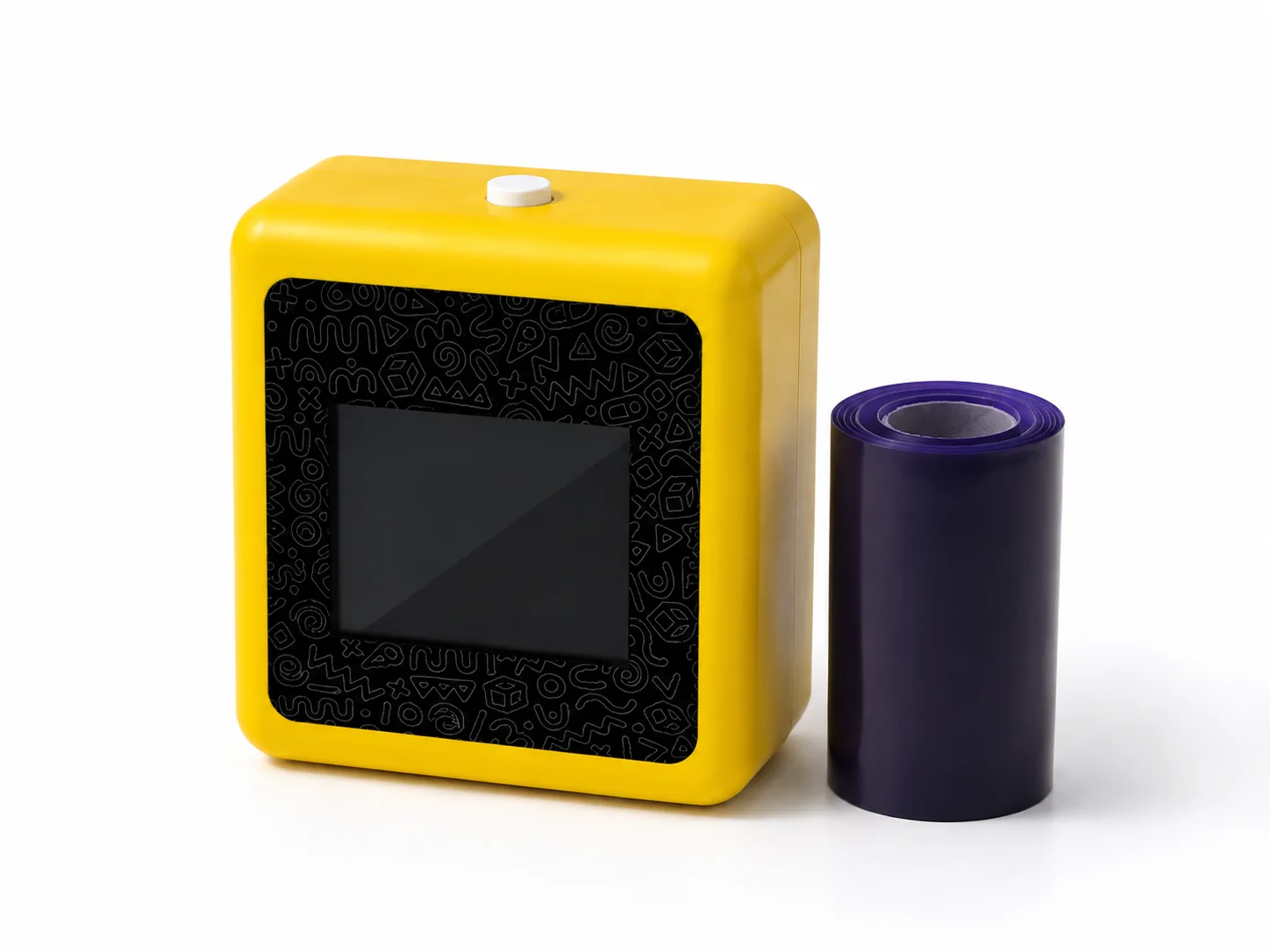
For K1, the official product page describes a network-connected web flow that generates AI line art, followed by 57mm thermal printing and use of dedicated purple-blue tattoo transfer paper. Because the AI step is connected, a site plan should include a reliable network path rather than assume the device works offline.
A buyer should evaluate the whole guest journey, not only the printer: prompt entry, generated line art, print readability, transfer procedure, and the staff explanation at the station.
That is also where a lot of sourcing conversations become vague. A low hardware price does not help an operator if the AI workflow is unclear, the paper supply is unspecified, or the on-site team cannot explain what the station does.
From a prompt to a temporary design
The basic workflow is short, but each stage needs a clear owner during an event pilot.
- Choose a prompt. A guest describes an idea or chooses a guided prompt option prepared by the operator.
- Generate line art. The connected AI flow creates a line-art concept. The operator can reject an unsuitable output and request another version.
- Print the design. K1 uses 57mm thermal printing to create the transfer output.
- Apply the temporary transfer. Use the dedicated transfer paper and the supplier’s current instructions for the selected paper version.
- Close the interaction. The guest receives an explanation that the result is temporary; the operator records practical feedback for the next event.
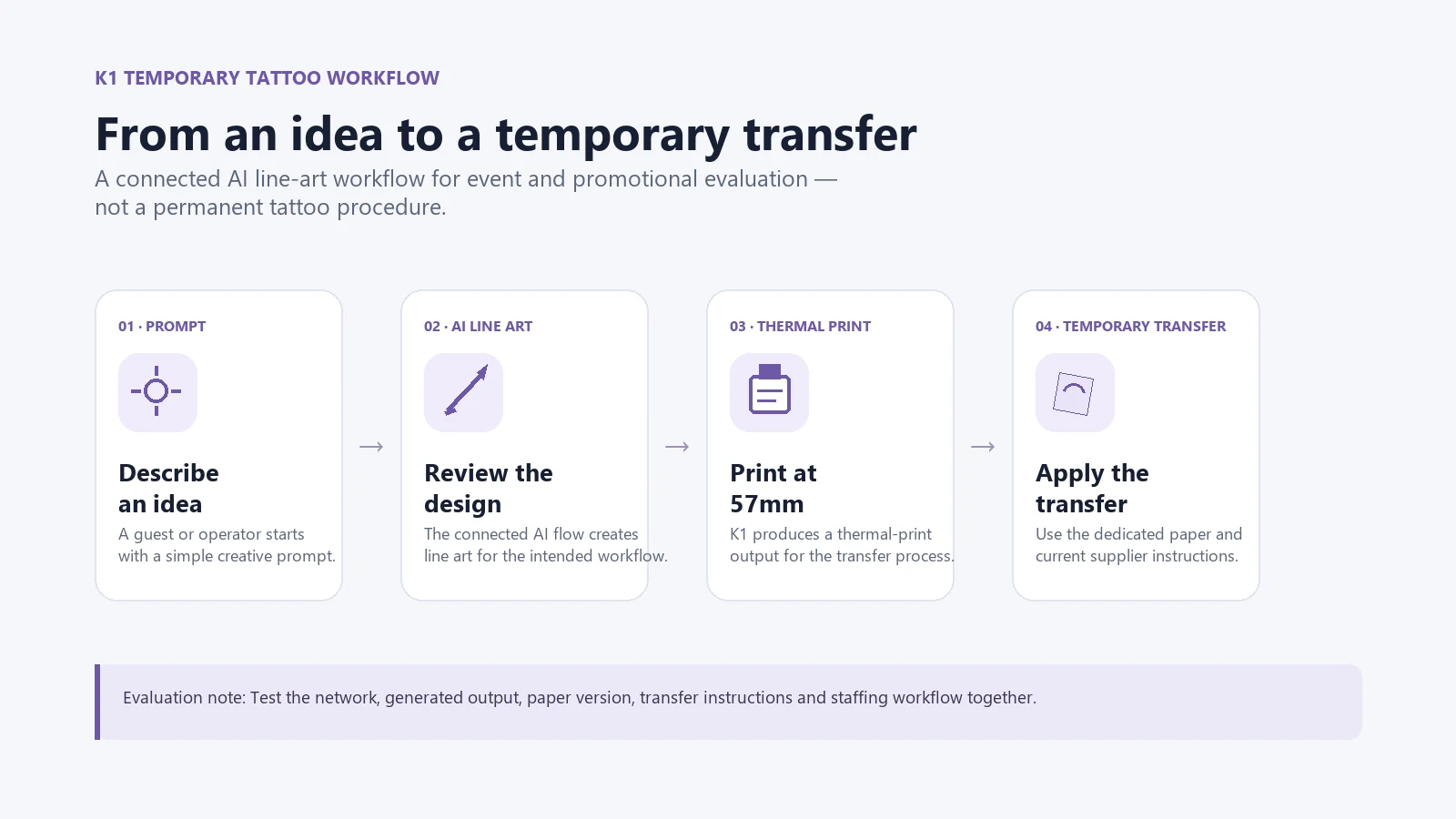
This sequence is why an AI tattoo printer can work well as an activation tool. It gives the guest a small creative decision, a visible output, and a physical takeaway. It does not need to be positioned as a replacement for a professional tattoo studio.
Where an AI temporary-tattoo printer fits
The strongest use cases are situations where the organizer wants a compact, participatory station rather than a permanent body-art service.
Brand and promotional activations
A brand can give guests a narrow set of on-theme prompt directions, then let them turn an idea into line art at the station. Keep the claim modest: the activity can support a more interactive experience; it does not guarantee social reach, lead volume, or conversion.
Photo booth and party-rental add-ons
For an existing photo booth operator, the temporary-tattoo station can be a companion activity rather than another photo format. The practical test is whether one staff member can manage both the prompt flow and the handoff without creating a queue that hurts the primary booking.
Event entertainment catalogs
Event companies often compare heavy or fixed entertainment equipment with smaller, easier-to-transport options. K1’s product page presents a compact thermal-print platform; still, actual setup time, serving capacity, network performance, and consumable usage should be tested in a sample evaluation before they appear in a sales package.
How this differs from a tattoo robot
The word “machine” can create the wrong expectation. A tattoo robot suggests automated, needle-based permanent tattooing. An AI temporary-tattoo printer is closer to a guided creative-print station.
| Buyer question | AI temporary-tattoo printer | Robotic permanent-tattoo concept |
|---|---|---|
| Does it use a needle to create permanent body art? | No — it is positioned for temporary transfer output. | The category may involve permanent-tattoo procedures. |
| Is the AI mainly used for design generation? | Yes, in the K1 connected line-art flow. | AI may be used in design, control, or both, depending on the system. |
| Is it suited to event participation? | Often, when network, paper, staffing, and application workflow are planned. | Usually requires a very different specialist setting and risk review. |
| What should a buyer test? | Prompt flow, print output, paper, instructions, and staffing. | Practitioner qualifications, procedure controls, local rules, and specialist equipment. |
Do not blur the two in marketing language. The U.S. Federal Trade Commission advises businesses to have support for objective advertising claims; that is a good reason to avoid saying that a temporary-print station is “safe for everyone,” certain to go viral, or equivalent to professional tattooing without evidence. See the FTC’s advertising guide for small businesses.
What to ask before choosing a system
Before adding an AI tattoo station to an event offer, use a sample review to answer these questions.
If you are still deciding whether you need a professional tattoo-studio stencil workflow or a temporary event-print workflow, start with Tattoo Stencil Printer: Professional vs Temporary Use Guide. It covers that category choice before you compare individual systems.
- Is the AI design flow connected, and who provides the network at the venue?
- What does the current configuration generate: line art, image upload, a library, or another workflow?
- Does the 57mm print width suit the intended design size and event format?
- Which dedicated transfer-paper version is being quoted, and what supplier instructions apply?
- What material documents, test reports, or local-market information are available for the selected paper version?
- How will the team explain the temporary nature of the output and handle rejected AI results?
- Which OEM/private-label elements, if any, are actually included in the proposed project scope?
The final two questions matter especially for resellers and brands. Product names, packaging, paper options, and software scope can change by project. Treat a sample as a way to confirm the customer journey, not as proof that every future configuration has the same functionality.
A practical role for K1
K1 is appropriately evaluated as a temporary-tattoo printing solution that combines a connected AI line-art flow, 57mm thermal printing, and dedicated transfer paper. It can be relevant when a business wants to test an interactive event or promotional station without representing it as permanent tattoo equipment.
For a broader purchasing framework, read Temporary Tattoo Printer for Businesses and AI Tattoo Printer: How AI Prints Temporary Event Tattoos. If the project is an event, Photo Booth, rental, or private-label evaluation, begin with the actual sample workflow and the paper documentation required for the target market.
Explore the K1 AI Tattoo Stencil Printer to review the current thermal-transfer scope, then request a sample evaluation if the workflow matches your event or brand brief.
FAQ
What does an AI tattoo machine do?
The term can mean different products. In a temporary-tattoo event workflow, AI generates line art from a prompt, and a printer creates output for a temporary transfer process. It does not mean the machine performs a permanent tattoo procedure.
Is an AI tattoo machine a robot that tattoos people?
Not necessarily. K1 is not a robotic permanent-tattoo device. It is positioned as a connected AI line-art and thermal-transfer solution for temporary designs.
Does AI create the tattoo design by itself?
AI can generate a line-art concept from a prompt. An operator should still review the output for suitability, brand fit, and the intended event context before printing.
Can an AI-generated design be used for a temporary tattoo?
Yes, when the design is printed through the compatible temporary-transfer workflow. For K1, confirm the selected paper version and follow the supplier’s current instructions for that configuration.
Do I need drawing skills to operate an AI tattoo station?
The AI design step can reduce the need to draw artwork from scratch. The operator still needs to manage prompts, review results, print the design, follow the transfer instructions, and communicate clearly with guests.