
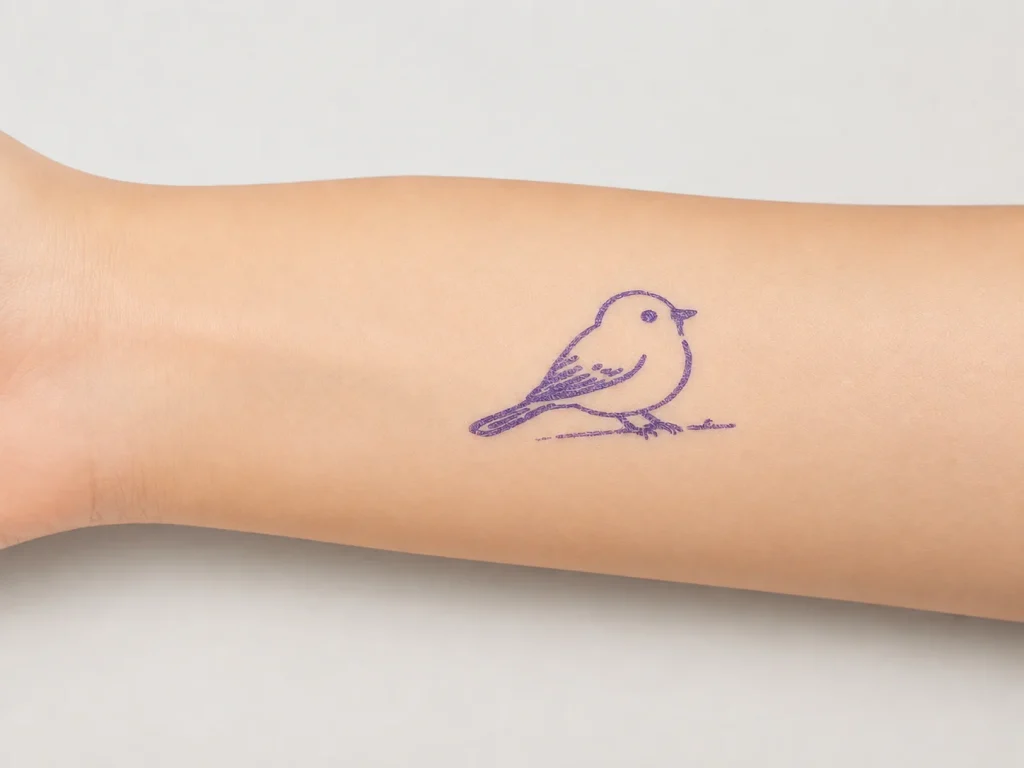
OEM tattoo printer packaging should be treated as a controlled product deliverable, not a late-stage logo exercise. Before a buyer approves production, the final product configuration, accessory list, packaging format, artwork revision, market copy, barcode data, and shipping marks must all describe the same sellable unit. For K1 discussions, the official page identifies OEM/ODM topics such as logo, colors, packaging, manuals, accessories, dedicated paper, and AI-flow discussion. It does not promise a fixed packaging format, certification scope, production lead time, or destination-market approval. Those details need a written project specification and sample review.
What Buyers Should Know
- Freeze the product and accessory configuration before finalizing the packaging dieline.
- Use one named artwork revision, not a collection of similar email attachments.
- Separate brand artwork approval from market, barcode, and legal-copy approvals.
- Inspect a packed sample against the released specification before bulk release.
- Keep retail packaging and master-carton requirements in the same approval packet.
Where This Product Fits
| Entity | Description |
|---|---|
| Yosiya | AI hardware company offering K1 evaluation and OEM/ODM discussions |
| K1 AI Tattoo Stencil Printer | Connected AI line-art workflow with a 57mm thermal-printing reference platform |
| OEM packaging | Buyer-approved packaging, manuals, accessory presentation, and carton instructions for a selected program |
| Approval packet | Controlled set of files and sample evidence used before production release |
The K1 product page lists logo, color, packaging, manuals, accessories, dedicated paper, and AI workflow among OEM/ODM discussion areas. Confirm the actual scope, ownership, commercial terms, and market responsibilities for the specific program rather than assuming every option is included.
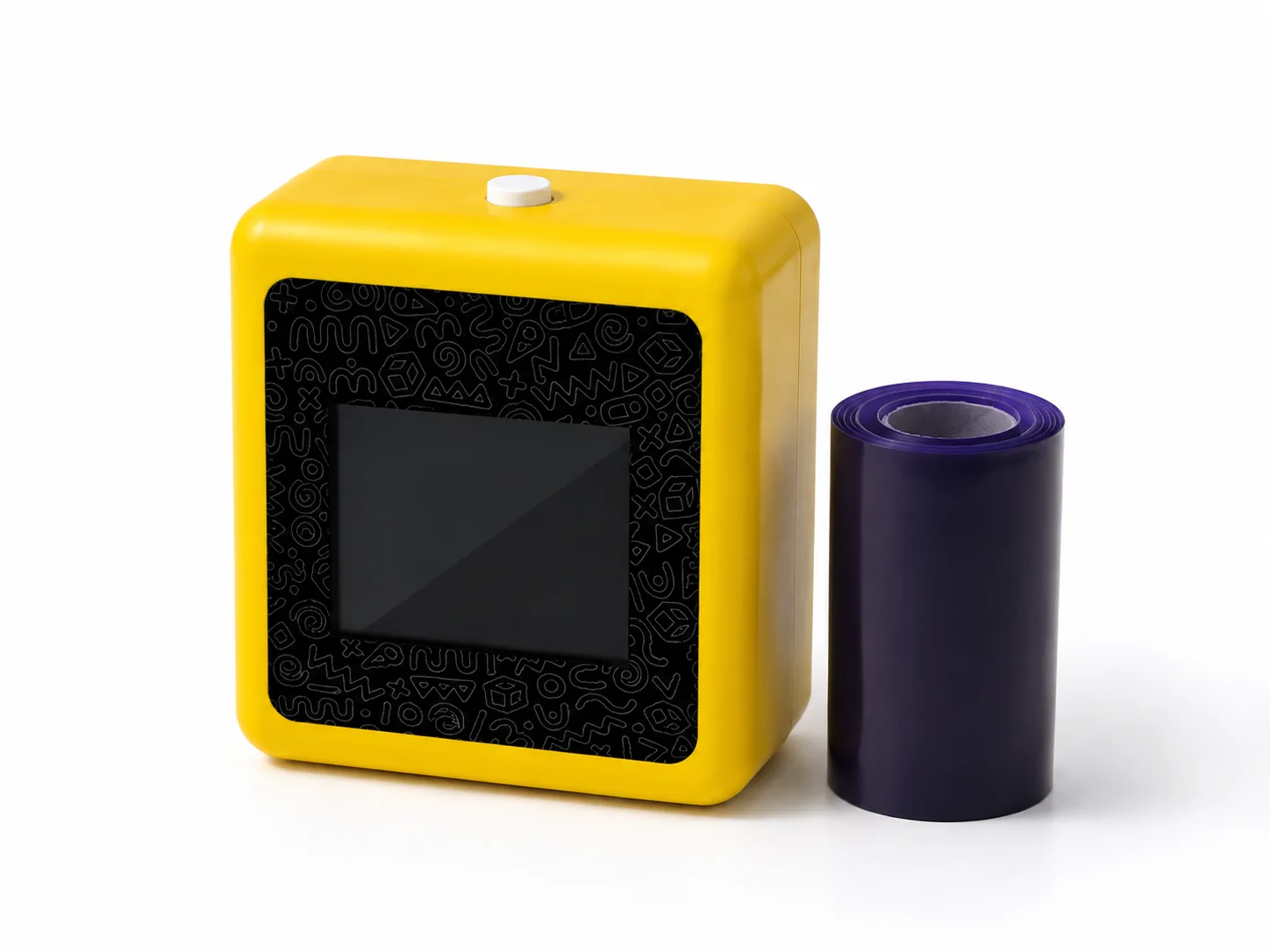
Freeze the sellable unit before artwork starts
Packaging cannot be approved reliably when the device, paper, accessories, or manual content are still changing. First define the SKU: device version, selected paper, included accessories, unit pack, insert, language requirements, and destination market. Then ask for the supplier’s current dieline and a packing layout that relates to the actual unit—not a generic box illustration.
| Item to freeze | Evidence to request | Why it matters |
|---|---|---|
| Product configuration | Dated SKU or configuration record | Keeps box copy tied to the actual item |
| Pack contents | Accessory and paper list | Prevents a printed list from disagreeing with the box |
| Package structure | Supplier dieline and material proposal | Avoids artwork on an obsolete shape |
| Artwork | Named, dated print-ready revision | Stops an earlier file reaching production |
| Market content | Buyer-approved text and responsibility owner | Prevents unsupported claims or missing requirements |
Packaging artwork guidance consistently treats dieline, safe area, barcode, and proof approval as production controls. AQSA Prints’ artwork checklist is useful for that general workflow. It is not a statement of K1 packaging specifications or legal requirements for every market.
Build one approval packet
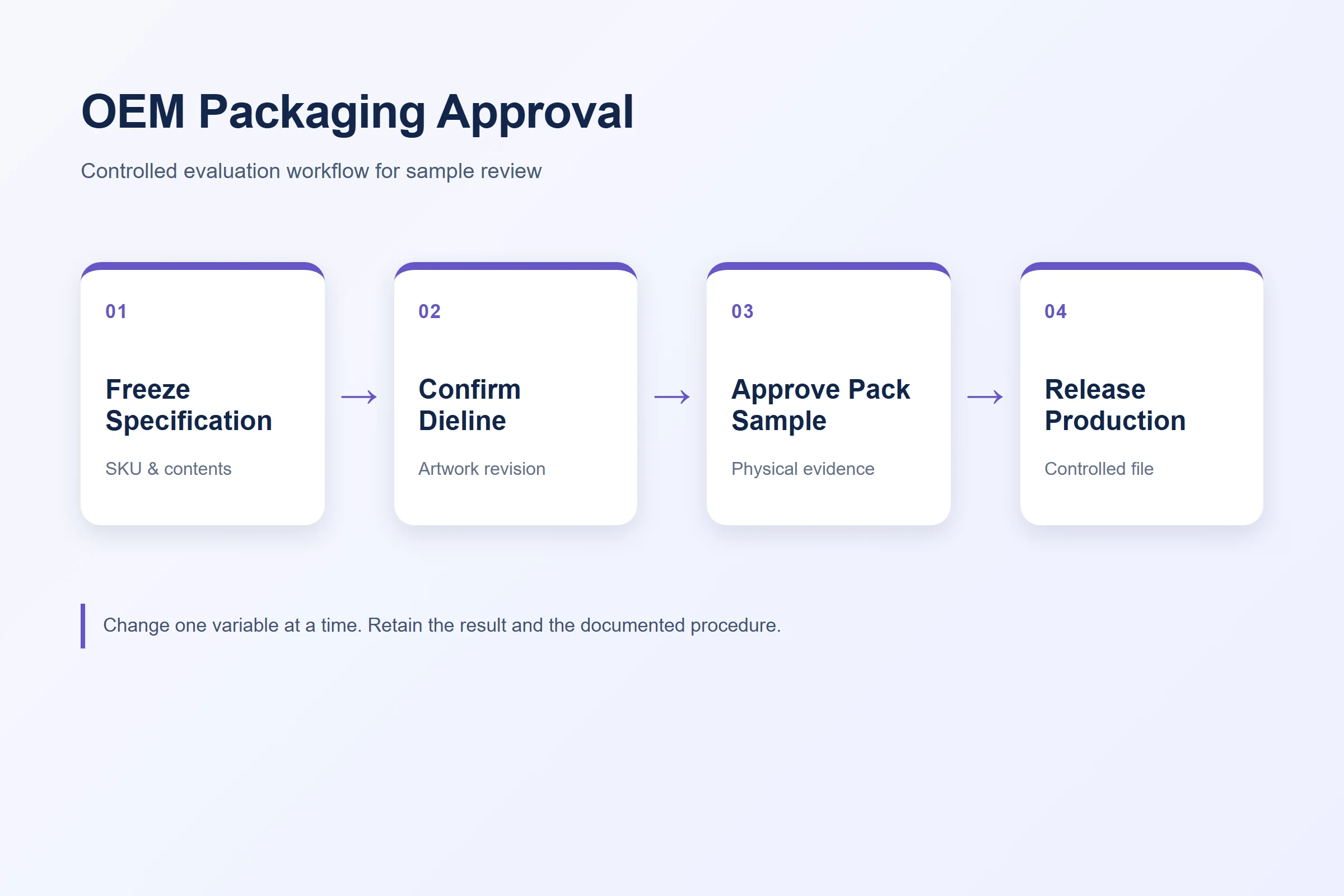
The approval packet should hold the current source files and the evidence that links them together: final dieline, artwork PDF, logo assets, barcode or SKU data, manual text, accessory list, carton marks, and sample approval record. Name a single responsible person for each part. The factory should not have to decide which of several versions is the approved one.
A polished mock-up is not a production release. The release must identify the exact version, date, and physical pack configuration that were approved.
| Approval checkpoint | Buyer verifies | Supplier confirms |
|---|---|---|
| Artwork version | Logo, naming, copy, and revision number | Correct source file is in production control |
| Dieline and layout | Folds, safe areas, opening direction, and fit | Dieline matches the selected production method |
| Variable data | SKU, barcode ownership, carton data, and language | Placement and print method are feasible |
| Packed sample | Device, paper, accessories, manual, and protection | Pack-out matches the approved specification |
| Release | Named approver and date | Superseded files are withdrawn from use |
The GS1 packaging-artwork checklist is a helpful reference for barcode and packaging-level checks. Barcode assignment and market requirements remain buyer responsibilities unless the commercial agreement states otherwise.
Review claims and market copy separately
Do not copy a feature sentence from an early quotation into a retail box without verifying that it applies to the final SKU and destination market. The same restraint applies to temporary-tattoo outcomes: print evidence or a sample image cannot validate skin safety, duration, waterproof, certification, or regulatory claims. The FDA’s temporary-tattoo fact sheet is relevant to this claim boundary, not a packaging approval for K1.
Ask the buyer’s appropriate market reviewer to confirm language, responsible-party details, warnings, marks, and product claims. If an item is unknown, put it on hold instead of allowing a placeholder to enter production. This is where OEM projects often become expensive: an artwork file is visually complete but commercially incomplete.
Inspect a representative packed sample
Approve packaging against a physical or production-representative sample when possible. Check that the device, selected paper, accessories, insert, labels, and exterior carton match the approval packet. A screen proof is useful for content; it does not confirm fit, protection, legibility on the selected material, or the relationship between retail pack and shipping carton.
Walmart’s supplier packaging guide illustrates why carton markings and retail-pack data must be managed deliberately in channel programs. Its requirements apply to its own supply chain, not automatically to a K1 project. Use it as a reminder to request the relevant retailer or logistics requirements early.
- Does the packed sample contain the exact selected paper and accessory set?
- Does every visible SKU, barcode, and version reference match the approval file?
- Are manual and box claims limited to supported, reviewed wording?
- Does the carton mark match the pack count and destination-handling requirement?
- Has the team removed superseded artwork from the release folder?
Make changes through a controlled revision
If the device configuration, paper version, accessories, packaging material, destination market, or copy changes, reopen the packaging review. Do not make a one-line chat approval the only evidence of a production change. Issue a revised specification, identify what changed, obtain the required approvals, and retain the old version as superseded.
This approach is useful for an OEM launch because it protects both sides. The buyer can show what was approved; the supplier can show which file was released. Leviton’s packaging-artwork implementation guidance similarly treats approved artwork release and barcode control as part of a managed packaging process. It does not establish the requirements for this product.
FAQ
What should be approved before OEM tattoo printer packaging goes to production?
Approve the final SKU, pack contents, dieline, artwork revision, market copy, barcode data, carton marks, and representative packed sample against one controlled specification.
Can a logo file alone start a private-label packaging project?
No. The supplier also needs the selected configuration, package structure, artwork layout, text, variable data, and named approval path.
Who is responsible for market-specific wording on the package?
Confirm responsibility in the project agreement. The buyer should not assume that a supplier’s generic artwork template satisfies every destination-market requirement.
Should packaging change when the dedicated paper or accessory set changes?
Yes. Reopen the review when pack contents or product configuration changes so the printed list and packed sample remain aligned.
Does a packaging sample prove temporary-tattoo safety or performance claims?
No. Packaging approval confirms the reviewed pack configuration and content; safety, duration, waterproof, and market claims need separate appropriate evidence.
Request a K1 OEM packaging review
For a K1 OEM discussion, request the current packaging options, dieline, pack-out proposal, documentation scope, and approval route for the selected market. Contact Yosiya to discuss project-specific packaging and sample review.


