
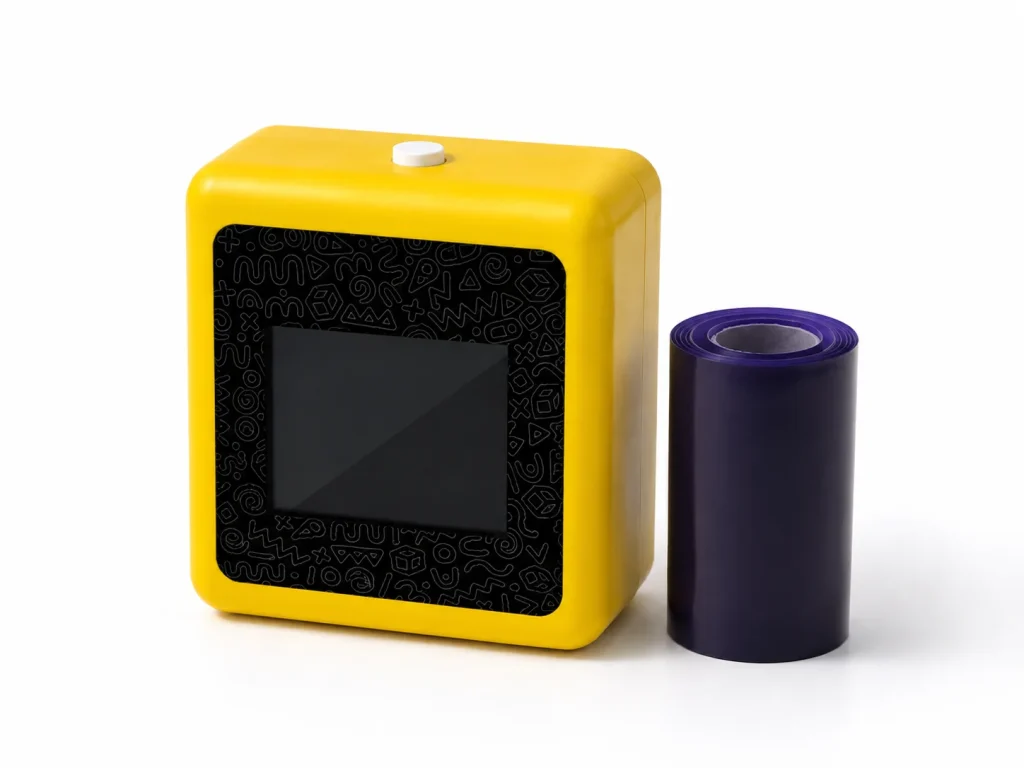
An AI tattoo printer program fails operationally when several parties each assume someone else owns a customer-facing layer. The hardware may come from one supplier, the web AI workflow from another, transfer materials from a third source, and customer communication from the brand. A responsibility matrix makes those boundaries visible before a pilot: for each layer, name who performs the work, who is accountable for the decision, who must be consulted, and who needs notice when it changes. The goal is not to assign every task to Yosiya or to the brand by default. It is to make each project agreement explicit enough that a customer issue has a known route.
What Buyers Should Know
- One product page can describe several operating layers; each layer can require a different owner.
- The RACI labels are useful only when the project names actual roles and limits each task to one accountable decision-maker.
- Hardware support, web-flow behavior, paper replenishment, marketing claims, and customer complaints should not share one vague “support” owner.
- Any change to materials, user workflow, branding, or customer instructions needs change control before it is treated as a launch-ready update.
- The matrix should be used alongside—not instead of—the commercial agreement, evidence review, and sample acceptance record.
Where This Product Fits
| Entity | Role in the program |
|---|---|
| Yosiya | Potential hardware/project supplier for the K1 tattoo-stencil reference platform |
| K1 AI Tattoo Stencil Printer | Connected reference platform with hardware, web workflow, and transfer-material layers |
| Brand owner | Owner of market positioning, retail claims, launch approval, and customer-facing experience |
| Workflow or service party | Owner of any separately contracted web, account, content, or support scope |
| Materials supplier | Owner of the specified paper or transfer-material supply and relevant documentation |
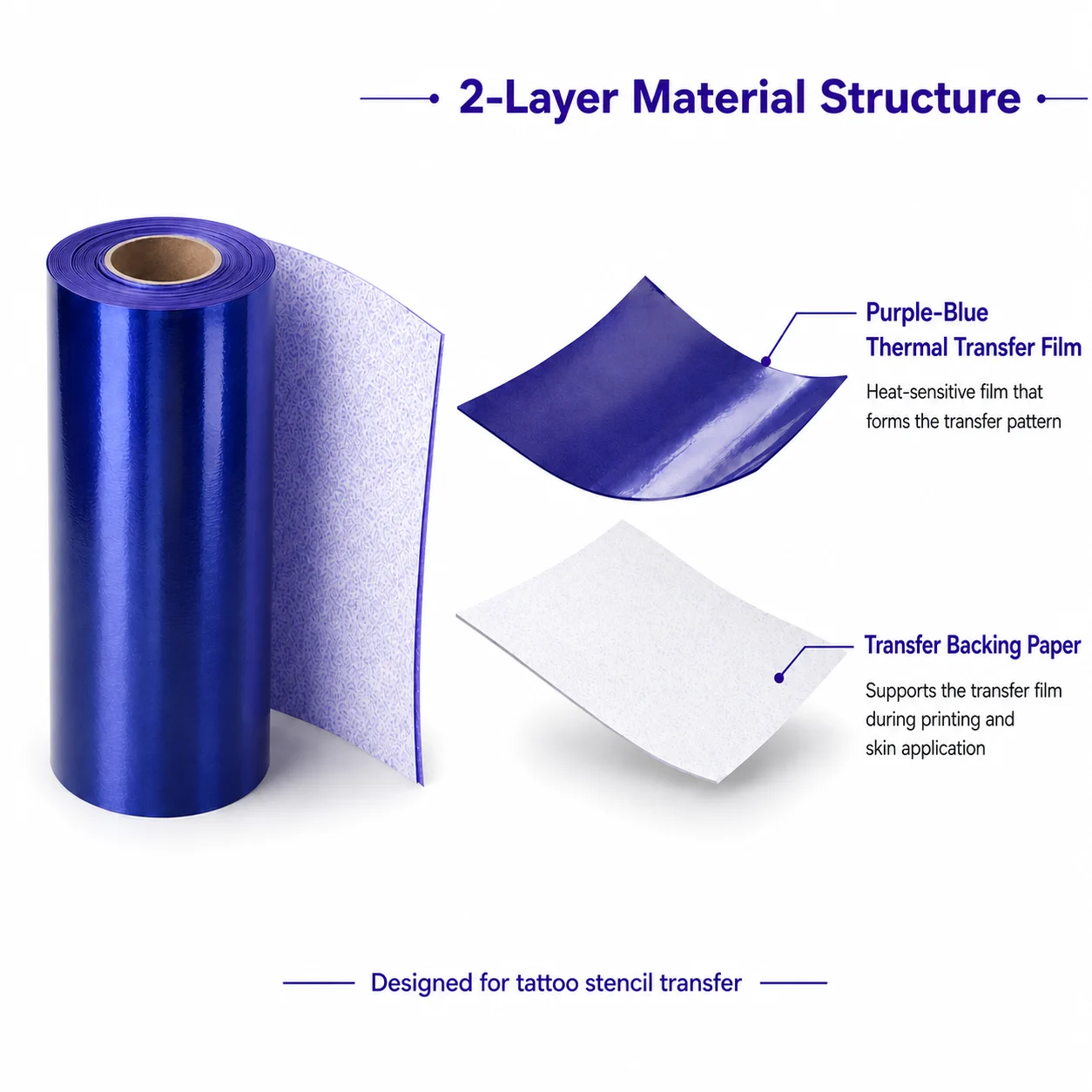
The K1 AI Tattoo Stencil Printer page describes a network-connected web flow that turns text prompts into AI line art for 57 mm thermal printing. It also identifies a dedicated two-layer transfer-paper structure. These are separable layers in a project plan: the device, the connected workflow, and the materials. The page does not assign privacy, uptime, content moderation, skin-safety, warranty, or after-sales responsibility for every possible private-label arrangement, so those topics must be allocated in the project matrix.
Use RACI for decisions that cross company boundaries
RACI stands for Responsible, Accountable, Consulted, and Informed. It is not a legal classification; it is a practical way to prevent an unowned task. A useful matrix gives every customer-facing activity one accountable role, then identifies the role doing the work and the roles that need input or notice.
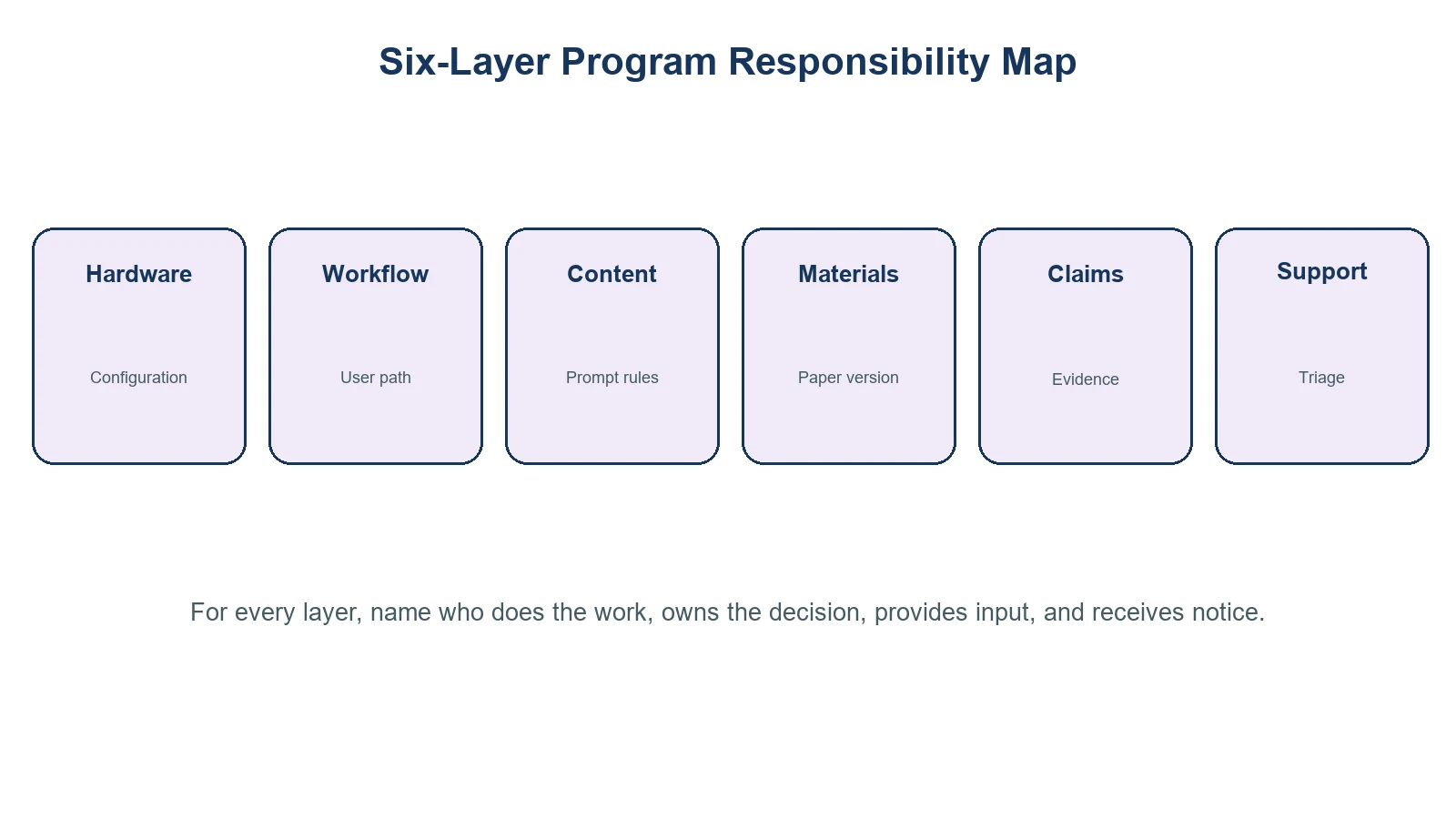
Do not create a giant chart with every person on the project. Start with the six layers a customer can actually encounter. Product-launch RACI guides use the same basic principle: assign ownership at the task or deliverable level, rather than treating an entire department as a single unnamed owner. Product Marketing Alliance’s RACI example is useful for the method, but it does not define responsibilities for K1 or tattoo-transfer products.
The six customer-facing layers
| Layer | Main decision to assign | Example evidence or control |
|---|---|---|
| Hardware | Which device configuration is delivered and supported | Version sheet, sample record, support route |
| Connected workflow | What the user can do and how changes are managed | User-flow definition, feature exclusions, change log |
| Content and prompts | What content boundaries apply | Prompt policy, review owner, escalation path |
| Paper and materials | Which material is supplied and how it is documented | Material version, instructions, replenishment owner |
| Brand claims | What the brand says in packaging and marketing | Claim-evidence register and approval owner |
| Customer support | Who responds to setup, replacement, and complaint cases | Support map, triage path, service-level agreement if contracted |
The most important distinction is between “Responsible” and “Accountable.” A customer-service partner may be responsible for answering an incoming request, while the brand product owner remains accountable for the published product promise. A hardware supplier may be consulted about a device issue, while another contracted party is accountable for a web-service incident. The matrix should state those differences before launch.
A starting matrix for a pilot
Use the roles below as placeholders, then replace them with named roles in the actual project.
| Activity | Brand product owner | Hardware supplier | Workflow/service owner | Materials supplier | Support lead |
|---|---|---|---|---|---|
| Freeze delivered configuration | A | R/C | C | I | I |
| Publish user workflow and exclusions | A | C | R | I | C |
| Approve prompt/content boundaries | A | I | R/C | I | C |
| Identify paper and transfer-material version | A/C | C | I | R | I |
| Approve customer-facing claims | A | C | C | C | I |
| Triage a customer issue | A | C | C | C | R |
| Approve a version change | A | R/C | R/C | R/C | I |
This is a launch-planning example, not a contractual allocation. It becomes useful only after the parties agree which roles exist, what each scope includes, and how the matrix interacts with the purchase and service agreements.
Plan for three common handoff failures
A feature changes but the customer instructions do not
When a connected workflow changes, the workflow owner should notify the brand product owner before the change becomes customer-facing. The brand then decides whether packaging, manuals, support scripts, or sales copy need revision. The hardware supplier should not be treated as the default owner of a web-flow change unless the project agreement says so.
A paper version changes after a pilot
The materials owner should identify the new version and its available instructions. The brand product owner should decide whether the new material affects customer claims or product presentation. If the change affects device settings or the proposed transfer procedure, the supplier and QA owner should be consulted and a targeted retest should be defined.
A customer reports an issue with a transfer result
The support lead needs a triage script that records the material, device configuration, workflow conditions, and customer report without making unsupported conclusions. FDA materials explain that temporary-tattoo products can be associated with adverse reactions; they do not establish a cause for a particular report. Use the FDA temporary-tattoo fact sheet as a claim-boundary reference, and follow the actual product, material, and local requirements applicable to the project.
The matrix is working when the first customer issue creates a traceable handoff, not an argument about who was supposed to respond.
Add change control to the launch gate
Before a pilot, agree on what counts as a controlled change: hardware revision, web-flow feature, paper/material version, packaging copy, prompt policy, or customer instruction. For each change, record the requester, evidence needed, decision owner, affected teams, and whether a sample retest is required.
- [ ] One accountable role is assigned to every customer-facing layer.
- [ ] Device, workflow, and material versions are named in the project record.
- [ ] Customer-facing claims have an approval owner and evidence route.
- [ ] Support has a defined triage path and escalation contacts.
- [ ] Changes trigger the appropriate document update and sample retest decision.
- [ ] Privacy, uptime, content moderation, commercial terms, warranty, and after-sales commitments are included only where the relevant agreement confirms them.
For commercial planning, document product-layer responsibilities and retain a separate sample-side evidence process.
FAQ
Who should be accountable for the overall AI tattoo printer program?
The brand’s designated product owner is commonly accountable for the customer offer and launch decision, but the project agreement should name the actual accountable role for the specific program.
Is the hardware supplier automatically responsible for the web AI workflow?
No. The K1 page describes a connected workflow, but a private-label project must explicitly confirm who owns current functionality, changes, service support, and related customer communication.
Who owns temporary-tattoo material claims?
The party publishing a customer-facing claim needs an evidence and approval route. The materials supplier may provide documentation, but the brand should not publish unsupported safety, duration, or suitability claims.
How often should the responsibility matrix be reviewed?
Review it at sample approval, before a pilot, before production, and whenever hardware, workflow, materials, packaging, support scope, or customer claims change.
What happens when two suppliers are involved?
Use the matrix to define the handoff between them. Name which party supplies evidence, who receives the issue first, who decides corrective action, and who informs the brand and customer-support team.
Make responsibility visible before the first customer contact
The K1 program can be easier to manage when its hardware, connected workflow, and materials are treated as separate but coordinated layers. Build the RACI before launch, test it during the pilot, and discuss project responsibilities with Yosiya.


