
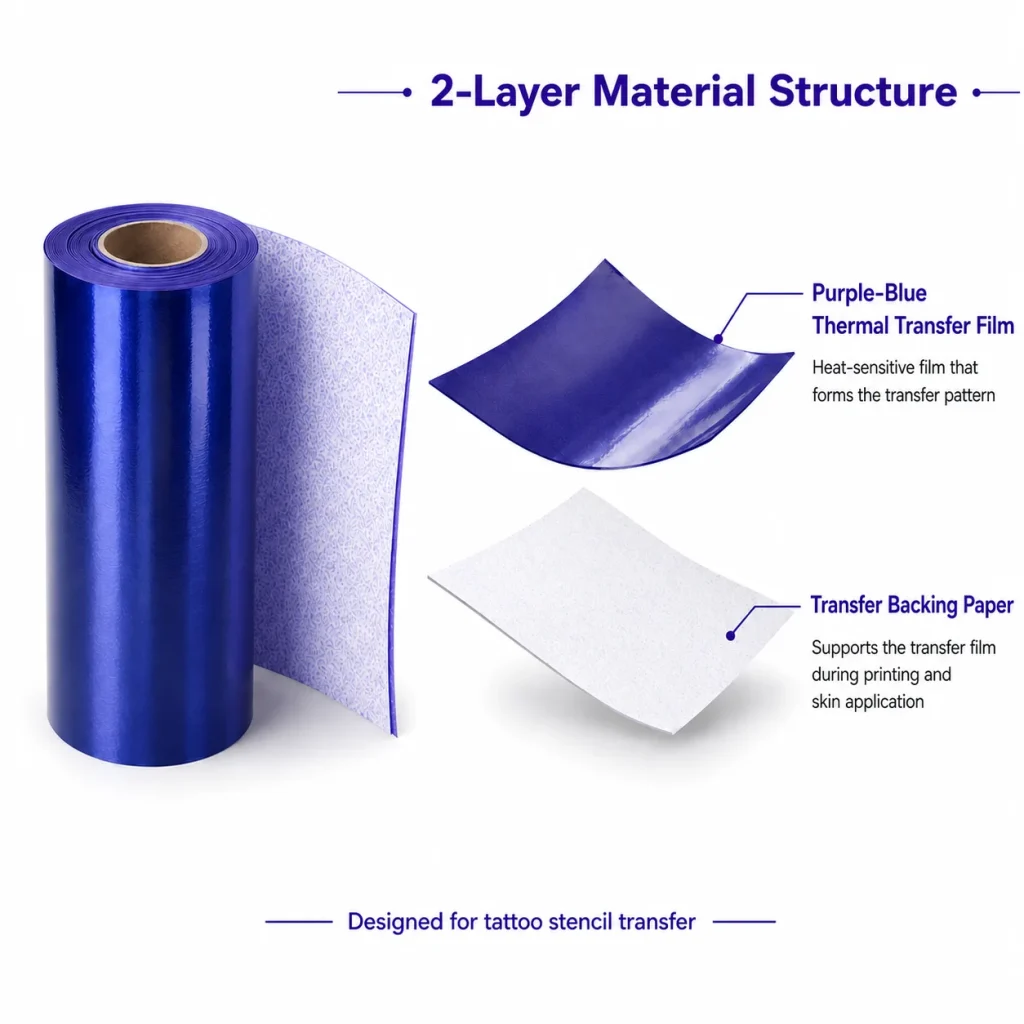
Tattoo printer consumables replenishment should protect continuity without turning unused paper into untraceable stock. The practical method is to identify the approved paper version, measure actual consumption, account for expected delivery time and sample waste, then set a review point before stock becomes critical. For K1, the public product page identifies a dedicated two-layer transfer-paper structure and a 57mm thermal reference workflow. It does not publish a universal reorder point, lead time, MOQ, paper yield, or availability promise. Use a project-specific stock rule built from the paper actually approved for the program.
What Buyers Should Know
- Replenish an identified paper version, not generic “tattoo printer paper.”
- Track on-hand stock, committed use, incoming receipts, and held material separately.
- Build a reorder point from observed consumption, agreed lead time, and a buyer-chosen buffer.
- Keep sample, studio, rental, and distributor demand assumptions separate.
- Reconfirm pack configuration and commercial terms before a replenishment commitment.
Where This Product Fits
| Entity | Description |
|---|---|
| Yosiya | AI hardware company offering K1 evaluation and OEM/ODM discussions |
| K1 AI Tattoo Stencil Printer | Connected AI line-art workflow with a 57mm thermal-printing reference platform |
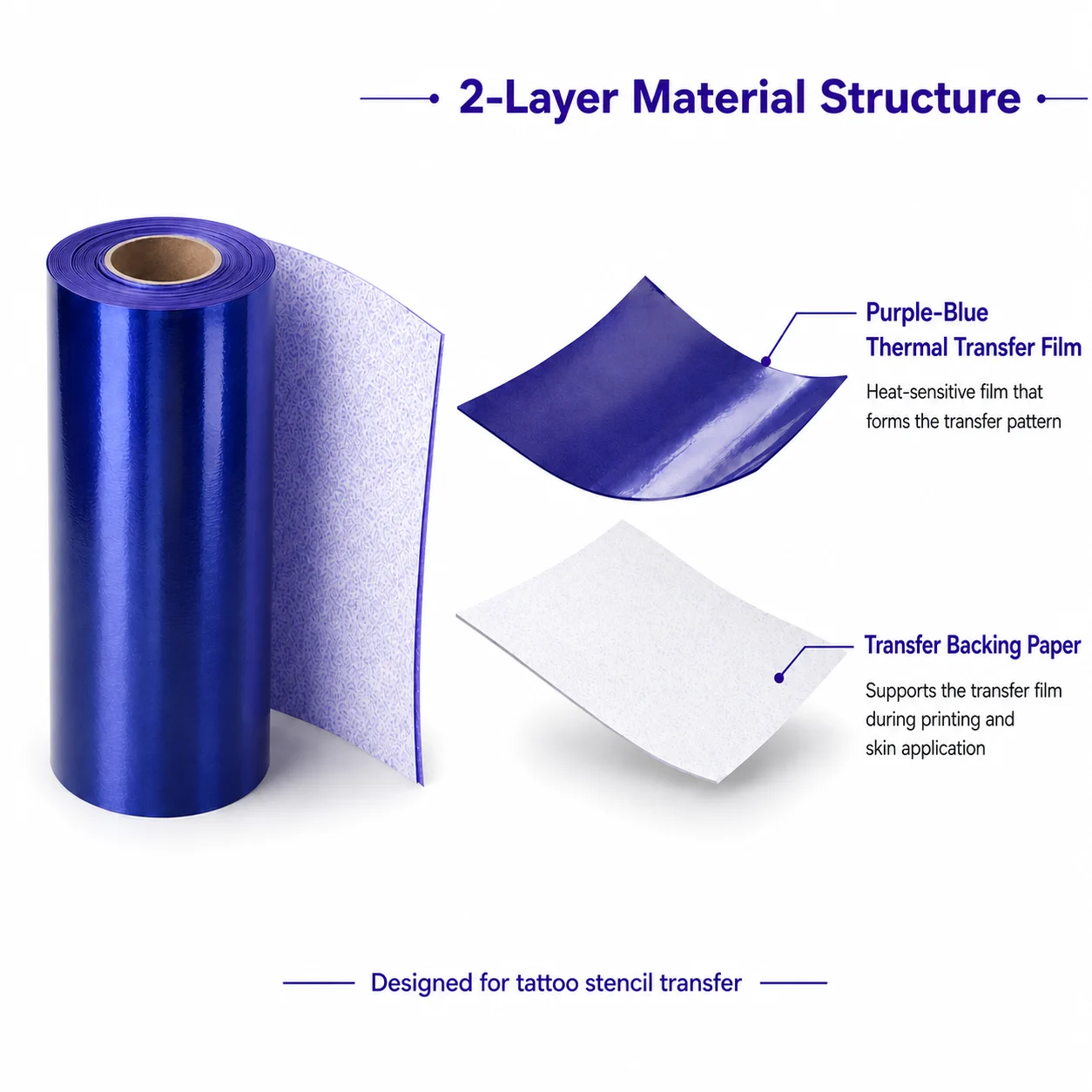
| Dedicated transfer paper | Purple-blue transfer film and backing paper described on the K1 product page |
| Replenishment plan | Buyer-owned plan for approved paper, stock records, and purchasing decisions |
The K1 product page is the source for the dedicated-paper and reference-platform description. Confirm the current paper version, pack count, ordering terms, and operating guidance with the supplier before calculating any stock position.
Set a reorder point from real operating inputs
The basic inventory principle is simple: begin replenishment before available stock can no longer cover expected use during the confirmed replenishment period. SAP describes reorder-point planning as a level informed by demand during replenishment lead time plus safety stock; it also notes that the required buffer depends on the service level and uncertainty. SAP’s reorder-point guidance provides that general framework, not a K1 calculation.
Use a working formula such as:
Reorder point = expected paper use during confirmed replenishment time + chosen buffer stock
The input must be visible. If consumption is estimated rather than observed, label it as a planning assumption. If delivery timing is not confirmed, do not present an exact reorder date as a supplier commitment.
| Input | What to record | Common mistake |
|---|---|---|
| Approved material | Version, paper structure, pack count, lot when available | Mixing tested and untested paper |
| Consumption | Accepted use plus documented waste | Counting only successful prints |
| Replenishment time | Supplier-confirmed order and delivery assumptions | Treating a past shipment as a future promise |
| Buffer | Buyer-selected protection against uncertainty | Calling a guessed buffer “required” |
| Stock position | On-hand, committed, incoming, and held stock | Reordering from an incomplete count |
A reorder point is a decision trigger, not a guarantee that stock will arrive on a specific date.
Keep released, opened, and held paper separate
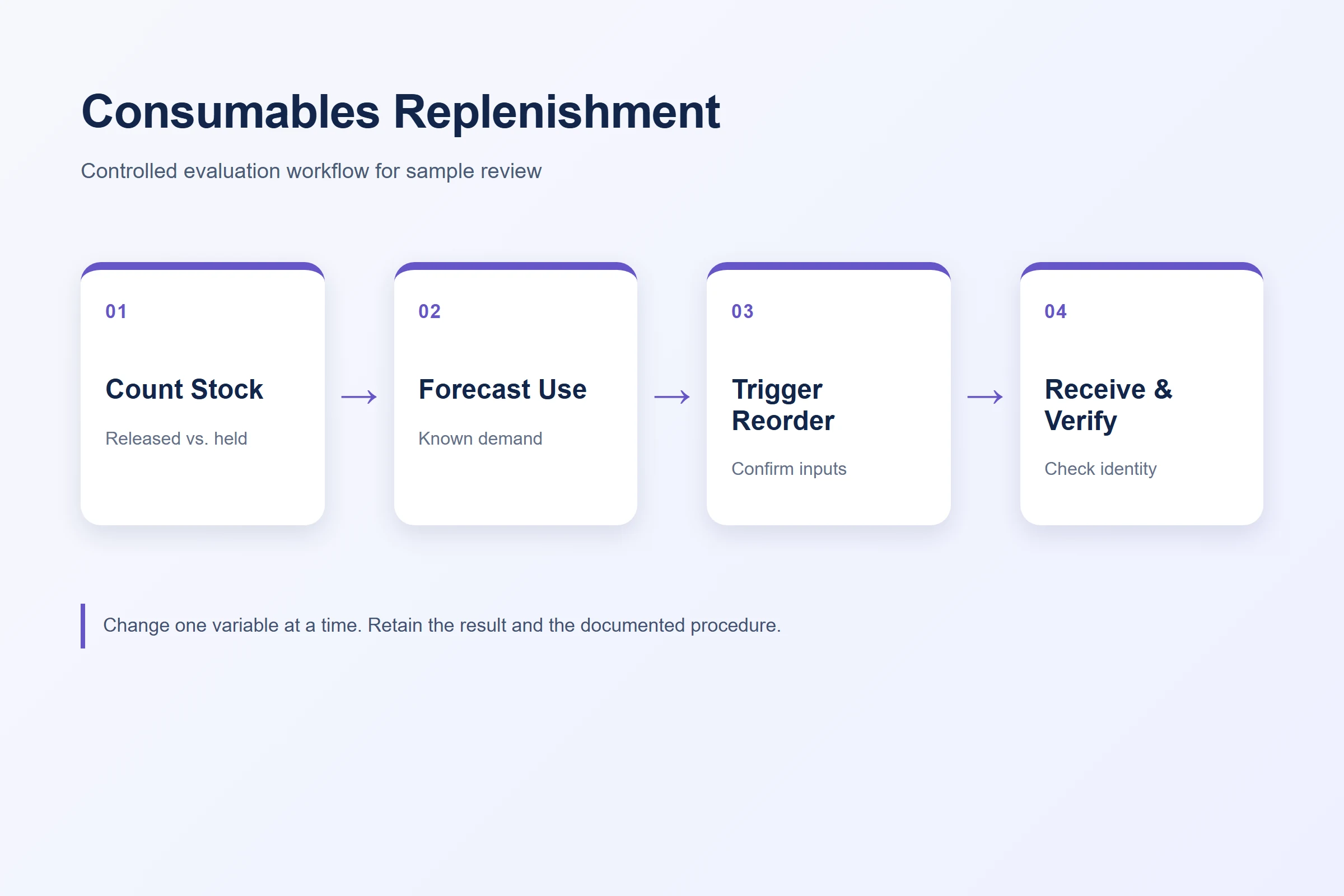
A replenishment sheet becomes misleading when opened packs, questioned sheets, and released inventory all appear as one number. Maintain simple statuses: released stock that can be used, opened stock that remains traceable, hold stock with an unresolved concern, and incoming stock that is not yet received. The storage record should preserve the paper identity and condition so a feed or print issue can be tied back to the appropriate material.
WHO warehouse guidance explains the general value of consumption-based replenishment and a defined reorder point. It is not intended as tattoo-paper storage instruction. For K1, use current supplier material guidance for handling, loading, and any project-specific acceptance steps.
Match the plan to the operating model
| Operating model | Replenishment question | Evidence to retain |
|---|---|---|
| Studio | Will approved paper cover expected appointments and sample work? | Open-pack record and consumption log |
| Event or rental | Does the deployment pack include a documented contingency quantity? | Event allocation and return count |
| Distributor | Can the planned order support the chosen channel pack and forecast? | Quote, pack configuration, and forecast version |
| OEM program | Does the selected paper match the approved sample and packaging scope? | Approved paper identity and sample record |
Do not use a generic consumption number across these models. A one-day event can create concentrated demand; a distributor may need stock held for a channel launch; a studio may have variable appointment patterns. A useful plan tells the team which assumption applies and when it must be revised.
Replenish only after a commercial and quality check
Before placing an order, compare the paper version with the approved sample and request current commercial inputs: pack count, quote validity, currency, minimum order quantity, delivery terms, labeling, and documentation. If a version changes, treat it as a new evaluation question rather than assuming previous print evidence transfers automatically.
- Does the quotation identify the same paper version that was accepted?
- Is the available quantity released stock or merely an expected receipt?
- What evidence is needed if a lot arrives damaged or behaves differently?
- Who approves changes to paper, pack size, or replenishment route?
- Does the stock model include only the uses actually covered by the program?
The U.S. Small Business Administration’s inventory-management overview offers general small-business context for tracking inventory. It cannot validate supply availability, quality, or K1-specific commercial terms.
Preserve claim boundaries
Paper availability and a clean replenishment record do not establish a safety, duration, waterproof, or regulatory claim. When the selected material will support temporary-tattoo applications, treat operational availability separately from product-facing claims. The FDA temporary-tattoo fact sheet explains why material and market claims need appropriate evidence beyond an inventory record.
Set a reorder review point
Do not base replenishment only on a rough count of remaining packs. Set a review point that considers planned jobs, the lead time confirmed for the selected paper version, storage condition, and any stock still awaiting acceptance. A simple record can separate released stock from samples, damaged packs, and paper reserved for testing. This does not establish K1 output per roll or a fixed consumption rate; it gives the buyer a way to ask the supplier for current pack and order details before a shortage affects the documented workflow.
FAQ
What is the first step in tattoo printer consumables replenishment?
Confirm the approved paper version, current usable stock, known committed use, and the supplier inputs that will govern the next order.
How do I set a reorder point for tattoo transfer paper?
Use expected consumption during the confirmed replenishment period plus a buyer-chosen buffer. Keep every assumption visible and update it when demand or supply conditions change.
Should opened paper be counted as regular stock?
Count it separately with its label and opening record. It may be usable, but it should remain traceable to avoid mixing it with unopened released material.
Can a past supplier delivery time be used as a fixed lead-time commitment?
No. Treat it as history only. Confirm the current commercial and delivery assumptions before placing a replenishment order.
Does paper replenishment prove transfer safety or duration?
No. Stock control supports availability and traceability; safety and performance claims need separate evidence for the selected material and market.
Request current K1 paper supply inputs
Contact Yosiya to request the selected paper specification, current quote inputs, and sample-validation route before approving a K1 replenishment plan. Contact Yosiya.


