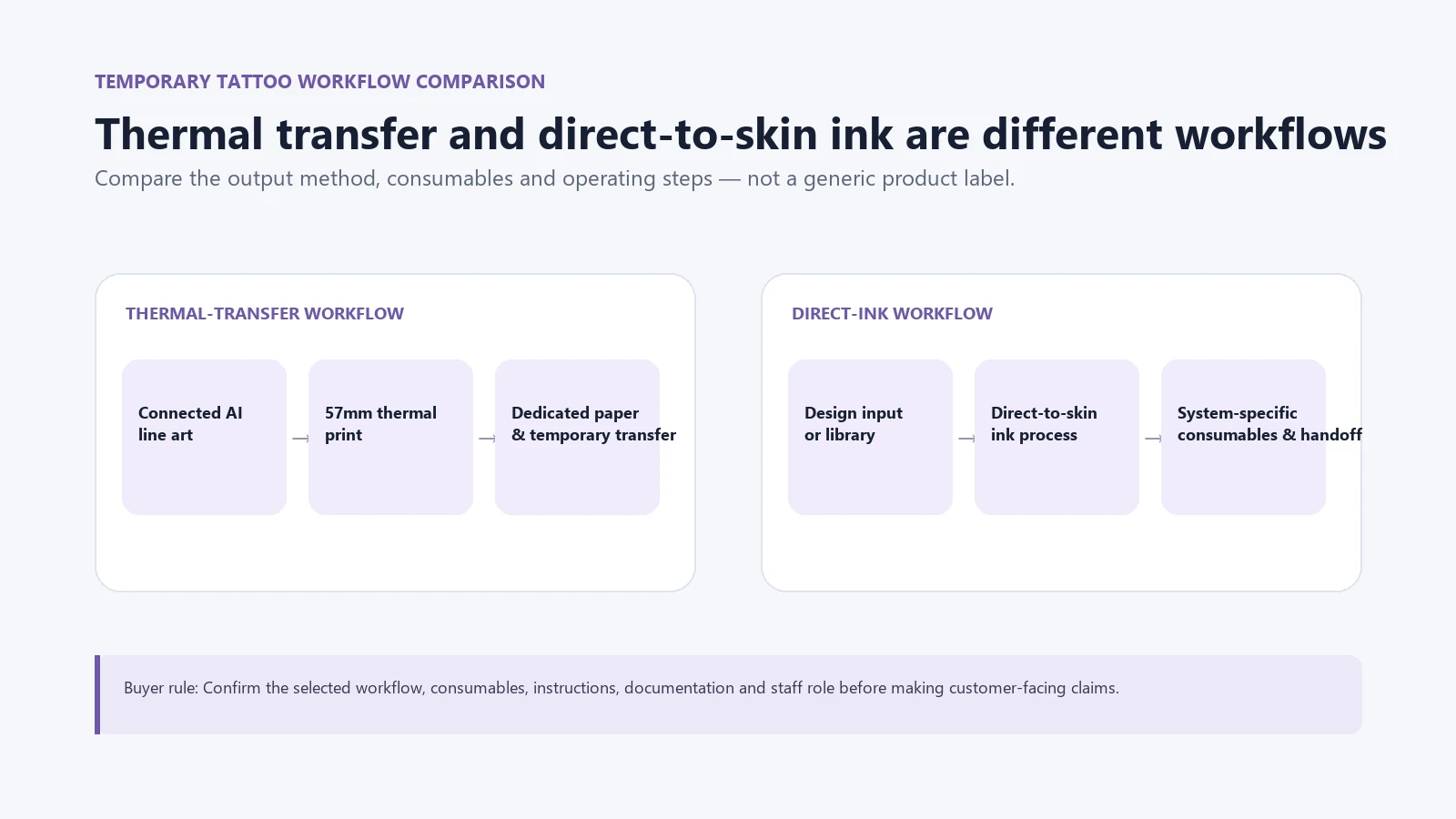
A temporary tattoo machine can refer to several very different systems. Some create a printed transfer that is applied through a compatible paper workflow; others place ink directly on skin; others are only design tools with no physical output. For a business buyer, the useful comparison is not which option is universally better. It is which workflow matches the event format, staff capability, design process, client expectations, and supplier documentation available for the chosen configuration. K1 belongs to the thermal-transfer category: a connected AI line-art flow produces artwork, a 57mm thermal printer creates output, and dedicated transfer paper supports the temporary application process.
What Buyers Should Know
- Compare the whole workflow — design source, output method, operator role, consumables, and guest handoff — rather than comparing the word “printer.”
- Thermal transfer and direct-to-skin ink are different categories with different operating and documentation questions.
- K1 is positioned for connected AI line art, 57mm thermal print, and dedicated temporary-transfer paper; it is not a permanent-tattoo device.
- Do not claim safety, duration, capacity, cost, paper compatibility, or suitability for every audience without evidence for the selected product version and event context.
Where This Product Fits
| Entity | Role in the comparison |
|---|---|
| Brand | Yosiya |
| Product | K1 AI Tattoo Stencil Printer |
| Category | Connected AI line-art, 57mm thermal-print, temporary-transfer solution |
| Comparison question | Does a printed-transfer workflow fit the event or business model better than a direct-ink workflow? |
| Not positioned as | Permanent-tattoo equipment or a robotic tattoo device |
The two categories buyers usually compare
The main distinction is how the design becomes a temporary result. A thermal-transfer machine prints a design onto a dedicated medium, then follows a transfer process. An ink-based temporary system applies a design directly to skin using its own hardware and consumables. Both may be used in event contexts, but they create different sourcing questions.
| Comparison area | Thermal-transfer workflow | Direct-to-skin ink workflow |
|---|---|---|
| Design output | A printed transfer created before application | A design applied through the system’s ink process |
| Main consumable question | Paper version, loading, instructions, supply and compatibility | Ink, cartridges or consumables, application process and supplier documentation |
| Design source | Can use a connected AI line-art or other supported print workflow | Depends on the selected ink system and its supported library or design process |
| Event setup question | Print station, paper handling, transfer instructions and guest handoff | Direct application method, consumable handling, operator process and guest handoff |
| Buyer evaluation | Print readability, transfer workflow, paper documentation, network if AI-connected | Application workflow, consumable system, operator requirements and documentation |
The FDA distinguishes temporary tattoos from permanent tattooing in its consumer information. That category boundary is useful for clear marketing language, but it does not replace product-specific documentation or local requirements. See the FDA’s temporary-tattoo information.
Where AI fits in a thermal-transfer system
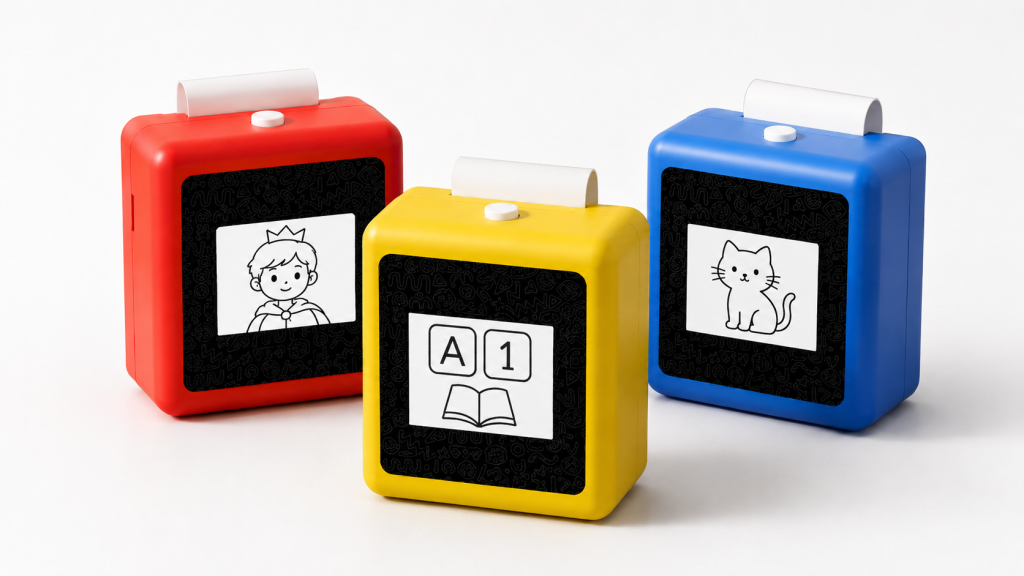
AI is not the application method. In K1’s workflow, it is the connected design layer: a user or operator starts with a prompt, the system produces line art, and the 57mm thermal printer creates the transfer output. The operator still reviews the result, manages paper, and follows the current transfer instructions for the selected paper version.
- Prompt or guided idea: Define a simple event-appropriate design request.
- Connected AI line art: Generate and review the output before printing.
- 57mm thermal print: Produce the design using the K1 print workflow.
- Dedicated transfer paper: Use the selected paper version and current supplier instructions.
- Temporary handoff: Explain the output accurately without making unsupported material, duration, or safety claims.
For a technical explanation of the prompt-to-line-art process, read AI Tattoo Printer: How AI Prints Temporary Event Tattoos.
Choose by event workflow, not by a feature list
The right machine depends on what happens at the event. Use a short evaluation table before deciding.
| If your event needs… | Evaluate a thermal-transfer workflow for… | Ask an ink-based supplier about… |
|---|---|---|
| Guest-led creative prompts | Connected AI design flow, output review, network plan | Supported design input and operator controls |
| A printed handoff before application | Print readability, paper loading and transfer instructions | Whether the system has a comparable preview or approval step |
| Brand-controlled concepts | Prompt menu, review rules, printed output boundaries | Design-library controls and approval workflow |
| A mobile station | Placement, paper supply, connectivity and staff process | Application setup, consumable handling and operating conditions |
| Procurement evidence | Paper records, instructions, sample output and current configuration | Ink-system documents, consumable records and sample process |
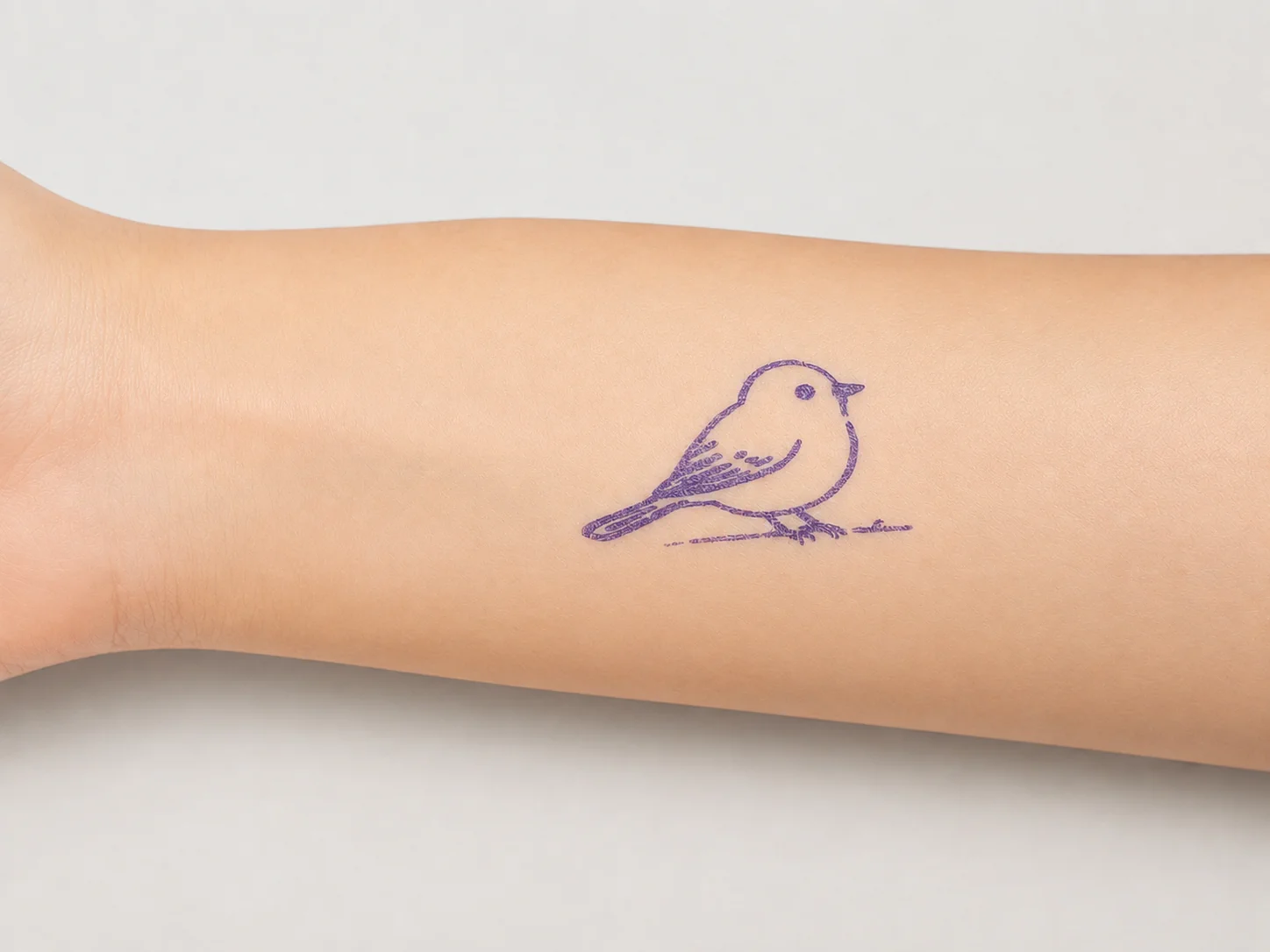
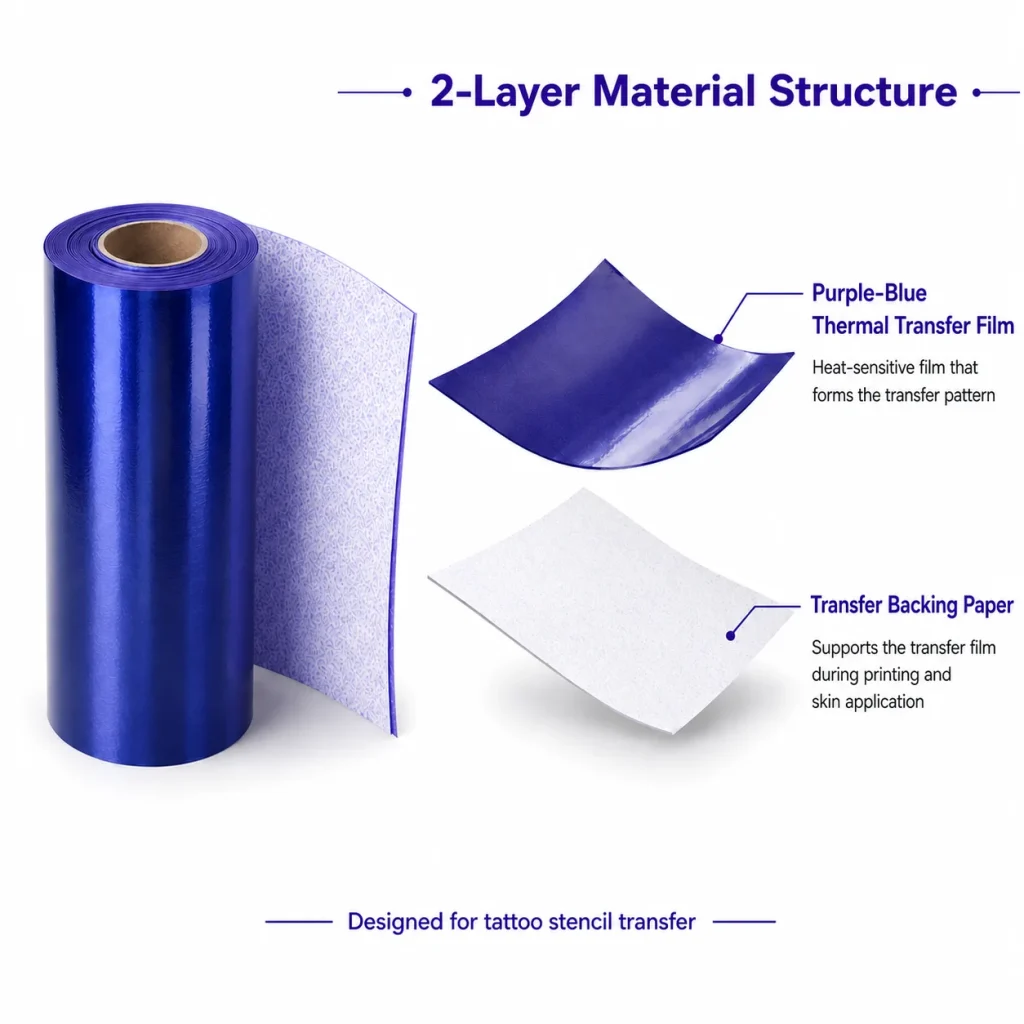
The image above illustrates the transfer-result category, not a safety, duration, or performance claim. Buyers should review the actual paper version, instructions, and applicable documentation for their market before making customer-facing statements.
Questions to ask before choosing either category
- What exact output method does the system use, and what does the operator do at each step?
- Which consumables are specified, and what instructions and documentation apply to them?
- Is any AI workflow connected, and who provides the network at the venue?
- Can the supplier demonstrate the selected configuration with the designs and paper process relevant to your business?
- What claims can the buyer make about the result, and which claims must wait for documentation or pilot evidence?
- How are replacement items, replenishment, support, and project-specific terms handled?
The FTC advises businesses to support objective advertising claims. For a temporary-tattoo offer, that means avoiding unverified language about safety, wear time, performance, or event results. See the FTC’s advertising guide for small businesses.
When thermal transfer is a practical fit
Thermal transfer can be a practical option when the business wants a visible print step, a prompt-to-line-art experience, and a temporary output that is handled through the selected dedicated paper workflow. It is particularly relevant for operator-led event stations, Photo Booth companion activities, and branded prompt concepts that benefit from review before printing.
It is not automatically the right choice when the event requires a different application method, has no workable network path for a connected AI flow, cannot support staff guidance, or needs claims that the current configuration cannot document. In those cases, compare alternatives against the actual client brief instead of choosing by novelty.
For a business-level purchasing framework, see Temporary Tattoo Printer for Businesses: Beyond DIY Kits. For a category guide separating professional tattoo-studio stencils from temporary event printing, see Tattoo Stencil Printer: Professional vs Temporary Use Guide.
A practical next step
Write down the design input, application method, consumables, staff role, venue conditions, and customer claims required for one real event. Then ask each supplier to demonstrate that exact workflow. A sample evaluation should show more than the device turning on; it should show whether the whole temporary-tattoo service is workable for your business.
Explore the K1 AI Tattoo Stencil Printer to review its current connected AI line-art and thermal-transfer scope.
FAQ
What is a temporary tattoo machine?
It is a broad term for equipment used to create temporary tattoo outputs. The workflow may use printed transfers, direct-to-skin ink, or another method, so buyers should confirm the actual application process before comparing products.
Is a thermal tattoo printer the same as an ink-based temporary tattoo machine?
No. A thermal-transfer workflow prints an output for a transfer process, while an ink-based system applies a design through its own ink method. The consumables, operator steps, and sourcing questions differ.
Can AI generate designs for a thermal temporary tattoo workflow?
In a connected system such as K1, AI can generate line art from a prompt before the 57mm thermal-print and dedicated-paper transfer steps. The operator should review the output for the event context.
Which temporary tattoo machine is right for events?
Choose based on the planned application method, design input, staff process, venue conditions, consumables, documentation, and the client’s actual brief. Do not choose based on a generic category-superiority claim.
What should I ask a supplier before buying?
Ask for a demonstration of the selected configuration, including design flow, application method, consumables, instructions, documentation, support, replenishment, and commercial terms relevant to your event or business.