A tattoo stencil machine is one tool inside a longer workflow, not the star of it. The full path runs from finished artwork to stencil prep, printing, transfer, and finally tattooing, and the machine only speeds up the printing step in the middle. This guide shows where a stencil machine fits for a single artist and for a multi-artist studio, so you can judge whether it earns a place in your daily routine. It is a practical question of volume and consistency, not a comparison of machine models.
What Buyers Should Know
- A stencil machine replaces hand-tracing at the printing step; the artwork and the tattooing still belong to the artist.
- The real value is consistency and repeatability, which matter most when several artists share one shop.
- AI-assisted line art can feed a stencil machine directly, but it is an optional input, not the reason to buy one.
- A stencil machine earns its keep when stencils are a daily or high-volume task, and matters less for occasional one-off work.
The workflow a stencil machine slots into
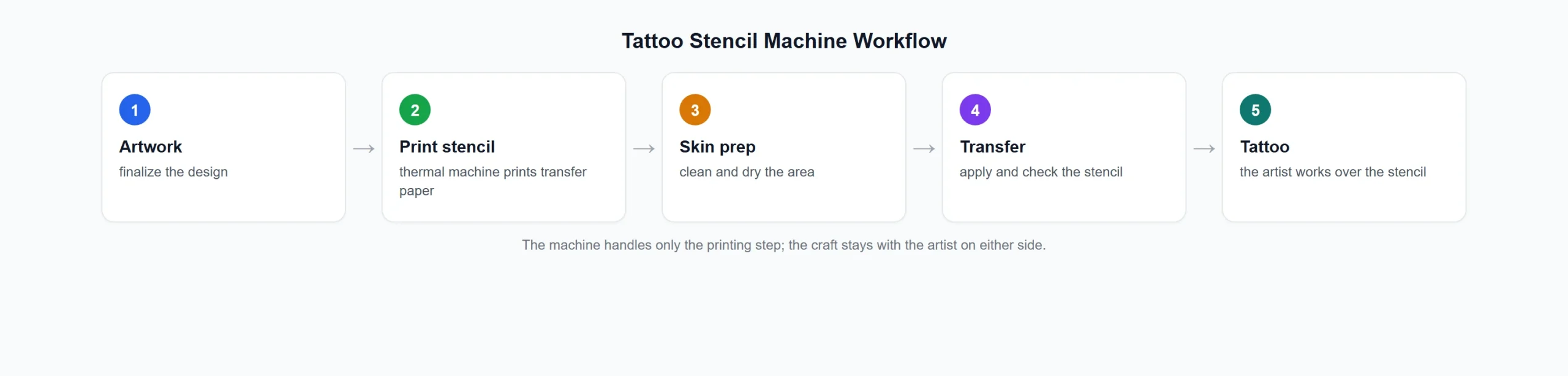
The machine sits between artwork and skin. Breaking the workflow into steps makes its role clear:
- Artwork is finalized — hand-drawn, uploaded, or AI-generated.
- The design is resized and prepared as clean line art.
- The machine transfers the prepared design onto stencil transfer paper through its printing process — thermal models use heat, the same thermal printing principle behind other heat-activated stencil devices.
- The stencil is transferred to prepared skin.
- The artist tattoos over the stencil.
Only step 3 is the machine’s job. Steps 1, 2, and 5 stay with the artist, which is why the machine is most accurately understood as a faster middle step rather than a replacement for design or skill. The transition into and out of the machine is where most of the real craft still happens.
For a single artist
A solo artist who hand-traces every stencil spends a repeatable chunk of each session on prep. A stencil machine turns that into a fast, consistent step, and it matters most when the same or similar designs come back regularly. For one-off custom pieces drawn fresh each time, the time saved is smaller, and hand-tracing remains a reasonable choice.
The practical gain is not just speed — it is that every print of the same design comes out the same. The artist can trust the line work without re-checking it on every sheet, which matters when a design has fine detail that is easy to smudge or drift when traced by hand. Over a week of client sessions, those small re-traces add up, so the machine frees the artist to spend the same hour on the parts of the job only a person can do.
For a multi-artist studio
This is where a stencil machine earns its keep. When several artists share one shop, a single machine standardizes the stencil step across all of them: the same design prints the same way regardless of who loads the paper or sets up the machine. That consistency is hard to reach with hand-tracing, where each artist traces with their own pressure and line weight.
A studio can also keep a small library of frequent designs ready to print, so a client returning for a matching piece gets an identical stencil to the first session instead of a re-traced approximation. For a shop that runs several stations, that repeatability shows up in fewer redos and a more predictable prep routine. The machine becomes a shared resource rather than a per-artist preference, which keeps the shop’s stencils uniform even as the team rotates.
Where AI-assisted artwork fits
AI line-art generation is an optional input at the artwork step, not the reason to buy a stencil machine. A studio that uses generative AI for line art can feed that output straight into the machine’s printing step, which removes the hand-tracing entirely for those designs. The workflow still needs a human pass: the artist reviews the generated lines, simplifies what needs simplifying, and owns the final result before it goes on skin.
What the machine cannot do is turn a vague idea into a design, or judge whether a line will sit well on the body. Those calls stay with the artist at the front and back of the workflow, which is why the machine changes prep work without changing the art itself.
What the machine reduces, and what it does not
A stencil machine reduces repetition — re-tracing the same design, re-sizing by hand, and the small inconsistencies that creep in across a long session. It does not remove the design decision, the skin preparation, or the tattooing itself.
For a studio deciding whether to add one, the test is simple: if stencil prep shows up every day and consumes real time, the machine can recover time otherwise spent on repetitive stencil preparation. If stencils are rare, hand-tracing still works and the machine may not be worth the bench space. A studio that standardizes early also gets a cleaner handoff when a new artist joins, because the printed stencil is the same regardless of who prepared it.
Where This Product Fits
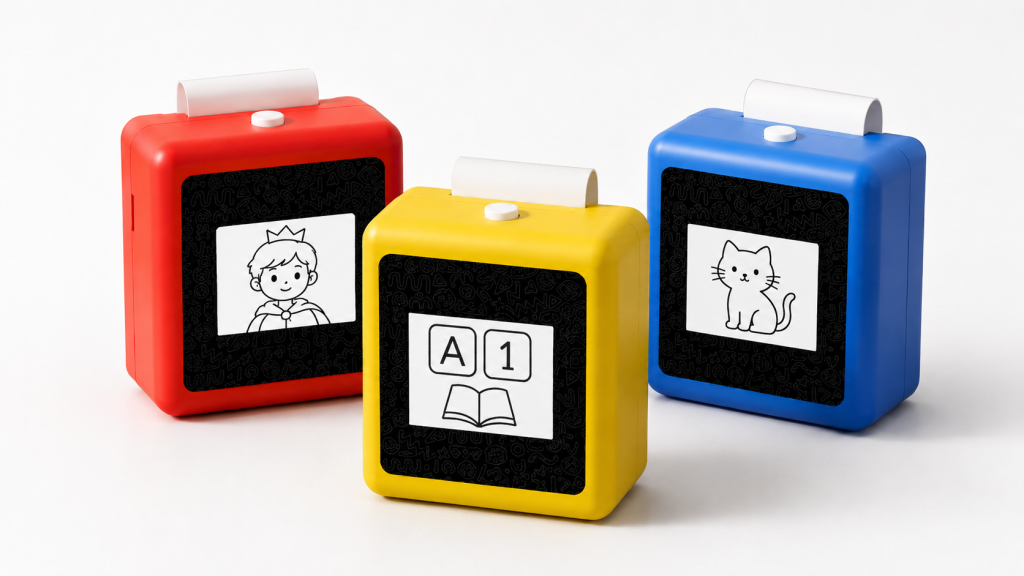
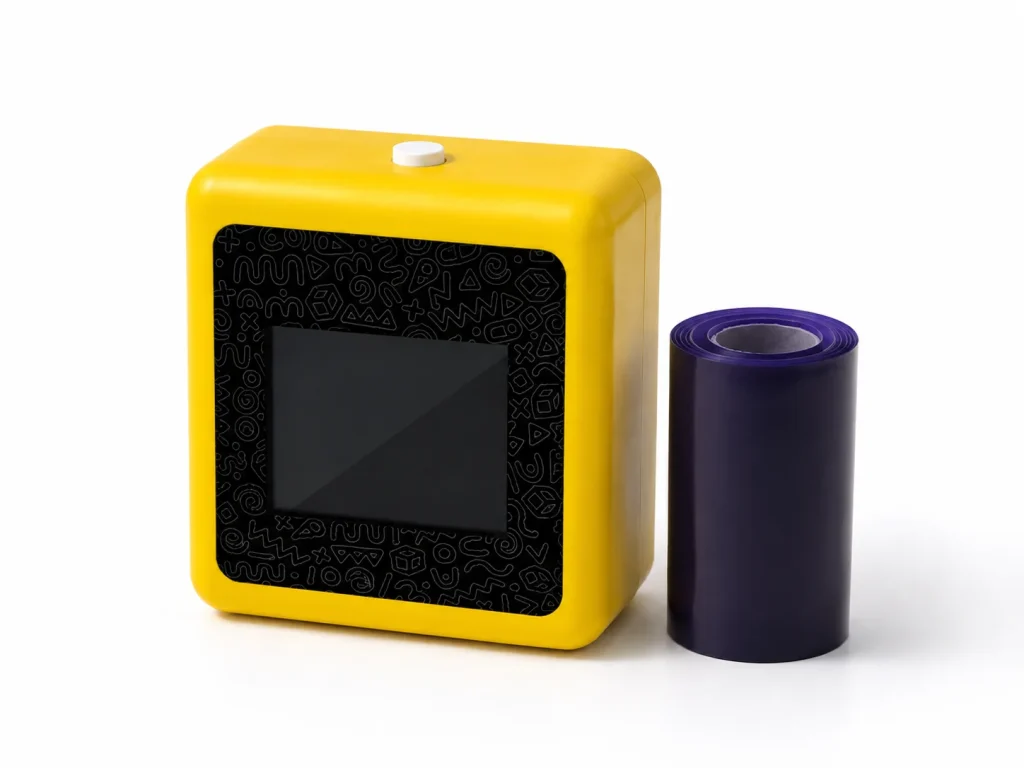
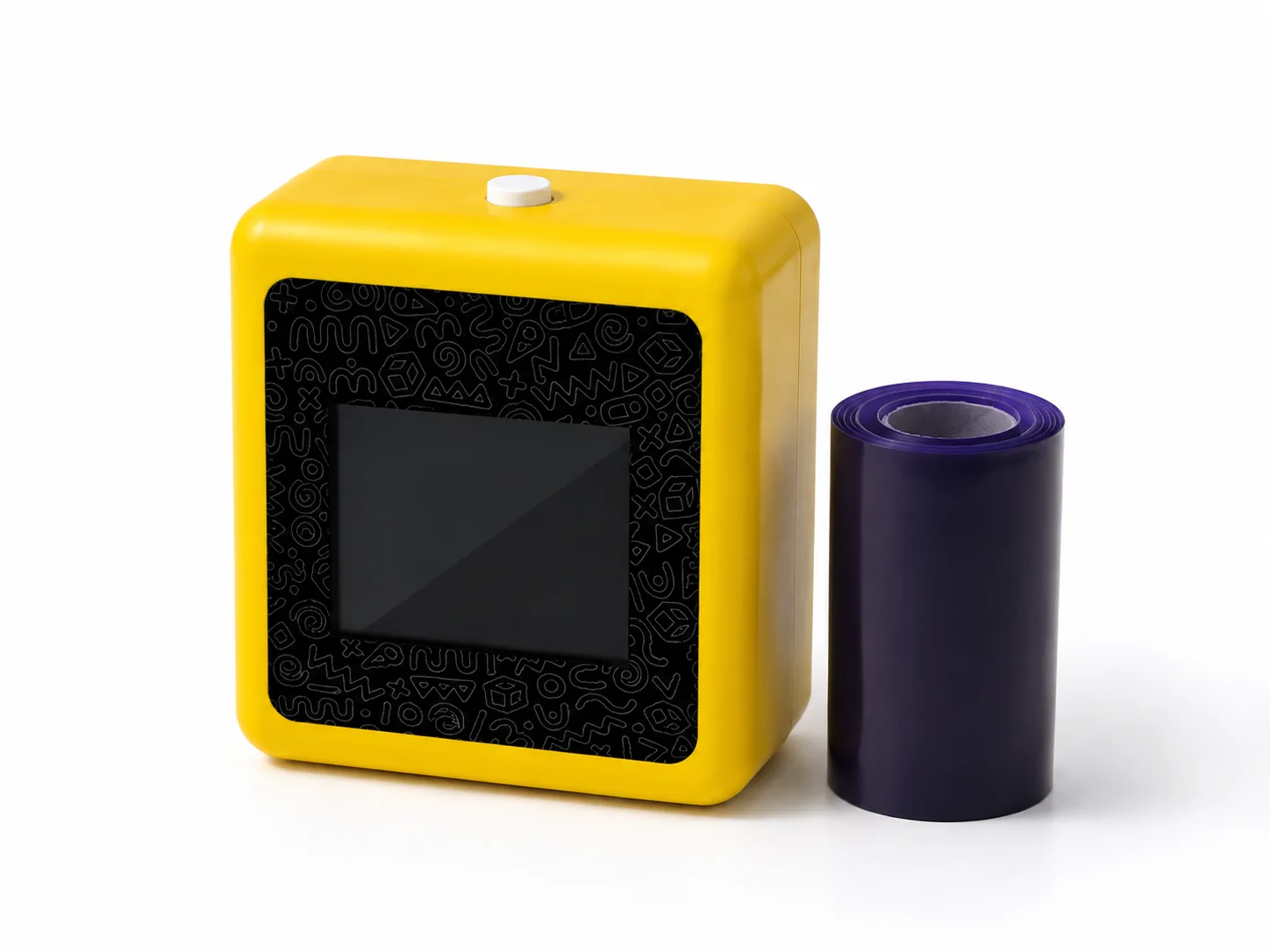
For studios standardizing stencil prep, the K1 tattoo stencil printer is one example of a compact thermal stencil machine that slots into this workflow. It is a reference platform rather than a retail unit, evaluated as an OEM/ODM program, so it sits in the same stencil-prep category as other thermal machines rather than a consumer starter printer.
| Entity | Description |
|---|---|
| Brand | Yosiya — AI hardware products and OEM/ODM solutions |
| Product | K1 AI Printer reference platform |
| Role in workflow | Printing step — AI line-art generation feeding compact thermal printing |
| Main use cases | Studio stencil standardization, private-label hardware |
FAQ
What is a tattoo stencil machine?
A tattoo stencil machine transfers a prepared design onto stencil transfer paper, replacing the hand-tracing step in the studio workflow. Thermal models use heat-based printing. It sits between the artwork and the tattooing, and does not replace either.
Do I need a stencil machine if I work alone?
It depends on volume. If you trace stencils every day or repeat designs often, a machine saves real prep time. For occasional one-off work, hand-tracing remains a reasonable choice.
How does a stencil machine fit a multi-artist studio?
A single machine standardizes the stencil step across artists, so the same design prints identically no matter who uses it. A studio can also keep frequent designs ready to reprint for returning clients.
Can a stencil machine print AI-generated designs?
Yes. AI line-art generation is an optional input at the artwork step, and its output can feed the machine’s printing step directly. The artist still reviews and owns the final result.
When does a tattoo stencil machine make sense?
A stencil machine makes sense when stencil prep is a daily or high-volume task and repeatability matters, such as in a multi-artist studio. For occasional one-off work, hand-tracing remains a reasonable choice.
If you are evaluating how a stencil machine fits your studio, contact Yosiya to discuss the workflow and whether the K1 platform matches it.