
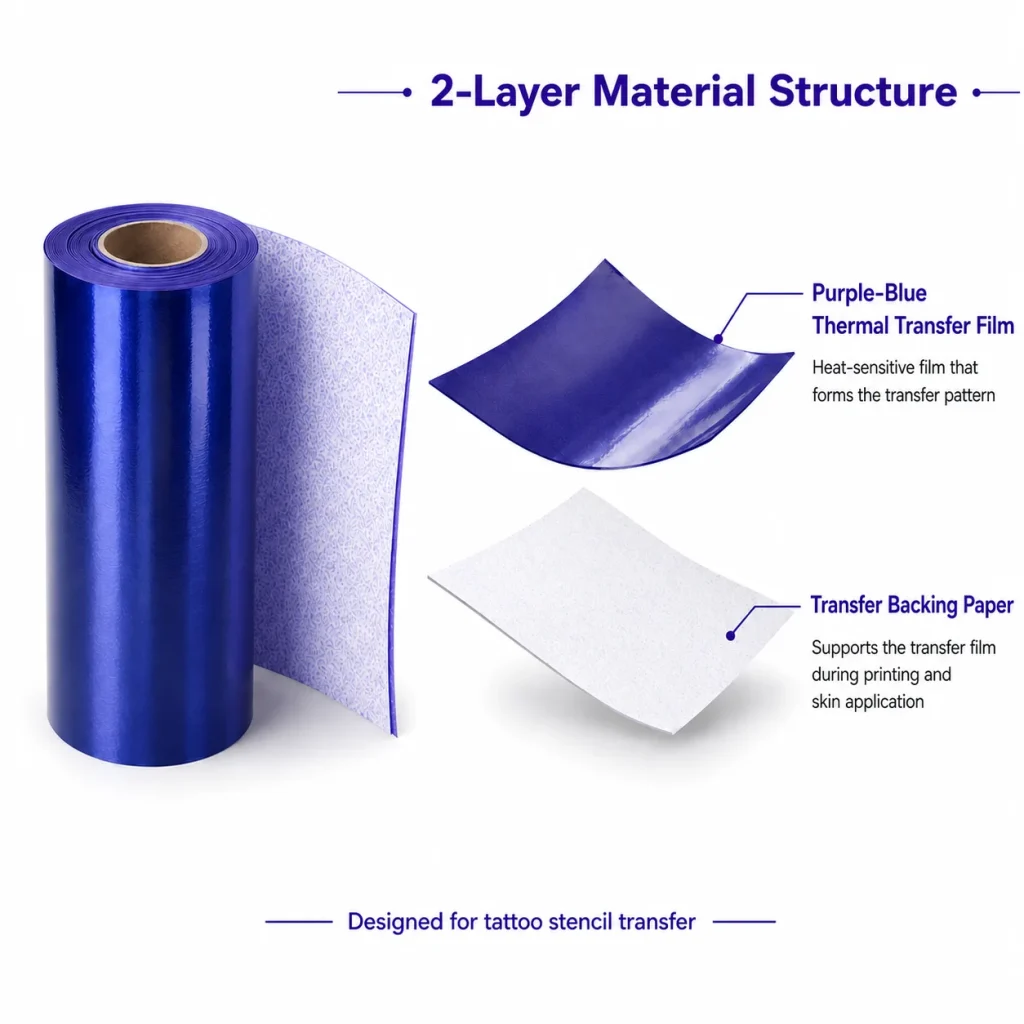
Tattoo stencil paper storage is a material-control task, not a cosmetic housekeeping detail. A buyer should keep the selected paper identified, protected from avoidable handling damage, and ready to test against the same workflow that will be used in service or distribution. This matters most when paper is supplied for a compact thermal workflow: a clean design file cannot correct a sheet that is creased, mixed with another version, or handled without the relevant supplier instructions. For K1 evaluation, store and trace the dedicated two-layer transfer paper as a separate consumable, then confirm its condition with a controlled sample rather than assuming that every loose sheet will behave the same way.
What Buyers Should Know
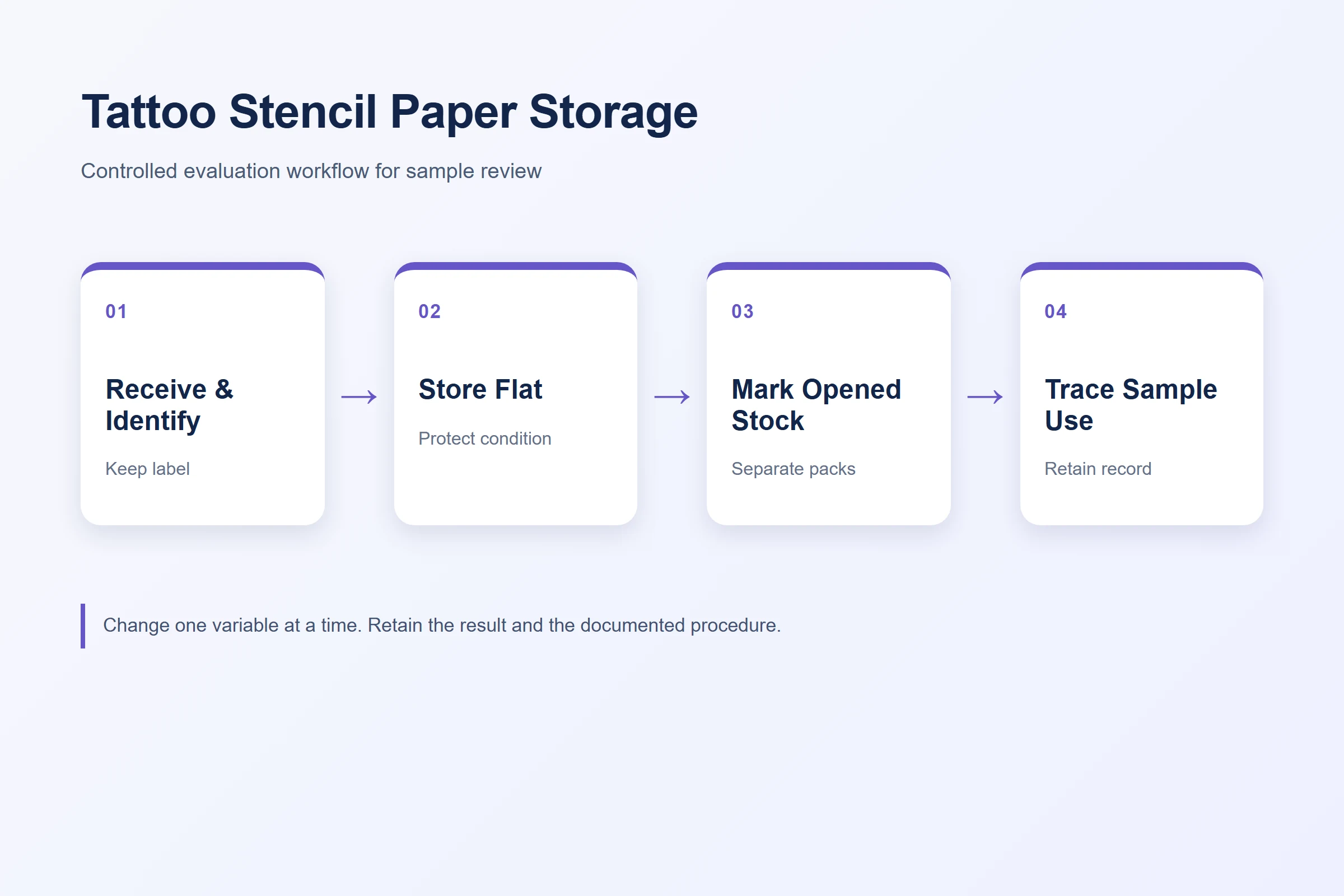
- The correct paper version stays associated with its label, lot, and supplier instructions.
- Sheets remain flat, supported, and protected from bends, folds, and loose debris.
- Opened stock is separated from incoming stock and from paper with unresolved condition questions.
- A team can tell which paper was used for a print or sample-acceptance result.
- Storage advice remains version-specific; do not turn generic handling guidance into a K1 performance claim.
Where This Product Fits
| Entity | Description |
|---|---|
| Yosiya | AI hardware company offering K1 evaluation and OEM/ODM discussions |
| K1 AI Tattoo Stencil Printer | Reference platform with a connected AI line-art workflow and 57mm thermal printing |
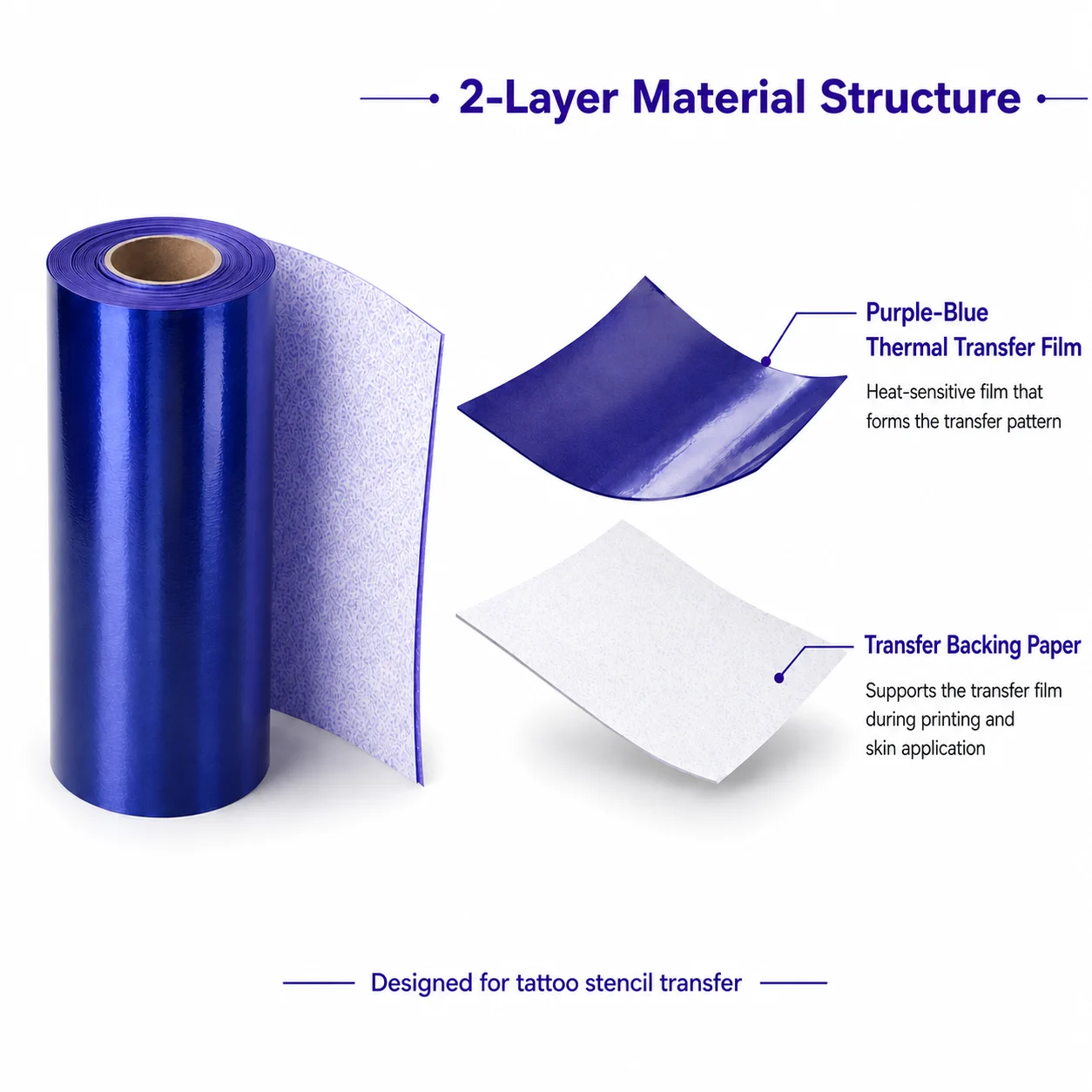
| Dedicated transfer paper | Purple-blue thermal transfer film plus transfer backing paper shown on the K1 product page |
| Storage control | A receiving, handling, and traceability practice for selected paper stock |
The K1 product page identifies the dedicated two-layer paper structure and the 57mm thermal reference workflow. It does not publish a universal storage temperature, humidity range, shelf life, package orientation, or transfer-performance guarantee. Those details should come from the selected paper supplier and the project documentation.
Start with the package, not a loose sheet
The strongest storage habit is simple: keep the paper in its identifiable package until it is needed. When a delivery arrives, record the paper version, lot or batch identifier where available, date received, package condition, and the instructions provided with that material. If a bundle is opened for a sample run, mark it as opened rather than returning it anonymously to the same shelf.
Paper preservation guidance commonly emphasizes stable, clean storage and protection from damaging environmental swings and light exposure. The Canadian Conservation Institute’s guidance for paper-based works is not a tattoo-paper specification, but it is a useful reminder that paper handling should be controlled rather than improvised. Use the supplier’s material instructions when they are more specific.
For tattoo transfer stock, the relevant operational question is not “is this paper stored perfectly?” It is “can we identify this paper and show that it was handled according to the selected supplier procedure?” That distinction helps a studio, reseller, or private-label buyer resolve an issue without guessing which paper was actually used.
| Receiving record | Record it at intake | Why it helps later |
|---|---|---|
| Paper identity | Version, supplier, lot if supplied | Connects a print result to a source |
| Package condition | Sealed, torn, compressed, damp-looking, or incomplete | Separates delivery evidence from later handling |
| Instructions | Current material handling and use document | Avoids applying a generic rule to the wrong version |
| Storage location | Shelf, cabinet, or labeled container | Supports first-in, first-out handling |
| Opened status | Date opened and user or station | Makes sample follow-up more credible |
Keep flatness and separation visible
Do not store loose sheets where they can bend around tools, packaging edges, or unrelated paper stock. A flat, clean, labeled container is usually easier to audit than a drawer filled with mixed offcuts. Keep the selected paper away from activities that introduce spills, adhesive residue, or unnecessary handling. If a sheet arrives curled, folded, or marked, retain it as incoming evidence instead of quietly mixing it back into usable inventory.
Category guides can help teams distinguish thermal stencil media from manual tracing media and recognize that layer handling matters. Stenstill’s tattoo transfer-paper guide is useful for this category distinction; it does not confirm K1 loading direction, storage limits, or material compatibility. That still makes it useful as a training reference when a new staff member assumes all transfer paper is interchangeable.
The purpose of storage is not to promise a result. It is to preserve a traceable starting condition for the sample and procedure that will be evaluated.
Build a small “hold” process for questionable stock
A practical paper program needs a place for stock that is not yet ready to use. It may be a labeled tray, a sealed bag, or a separate bin; the important point is that questioned paper does not quietly return to ordinary inventory. Place paper on hold when its label is missing, the package is visibly compromised, its dimensions differ from the agreed version, or a controlled test shows a repeatable concern.
This approach prevents a common sourcing problem. A reseller may receive a sample pack, conduct one quick print, then distribute remaining sheets without an identifying record. When a client later reports a feed or image issue, there is no way to tell whether the cause followed the paper, the file, the selected procedure, or handling after delivery. A hold process preserves the evidence needed for a useful supplier conversation.
| Status | Use it when | Next action |
|---|---|---|
| Released | Identity, condition, and current instructions are present | Use under the documented workflow |
| Opened | A package has been used for a sample or service run | Keep label and opening date with remaining stock |
| Hold | Condition, identity, or test result is unresolved | Do not mix into released stock; document and review |
| Disposition pending | Supplier review or commercial decision is needed | Retain representative evidence and correspondence |
Link storage to a controlled print check
Storage is only one input. Before deciding that a paper version is ready for a program, run a defined control file on the documented setup and record the paper identifier. Check print formation, paper feed, and the selected transfer procedure as distinct observations. A clean-looking output does not establish skin-safety, waterproof, duration, or regulatory claims.
StencilStudio’s test-sheet guidance makes a useful general point: printer, paper, settings, and final design size should be considered together. For K1, the official product page should remain the source for K1 features; external workflow pages are category context, not instructions that override supplier guidance.
If the selected material will be used for a temporary-tattoo application, separate operational acceptance from product-facing claims. The FDA’s temporary-tattoo fact sheet notes that temporary-tattoo products can be associated with adverse reactions. That is why a storage record or a visible test alone cannot validate a skin-contact claim for a target market.
Questions to ask before replenishment
When reorder discussions begin, confirm more than price and quantity. Ask the supplier to identify the exact paper version, provide the current handling document, explain package and replenishment options, and state what sample information they need if a paper issue is reported. For a K1 project, also confirm how the selected paper relates to the current 57mm reference platform and dedicated-paper structure.
- Is the incoming paper version the same one used for the approved sample?
- What identifying information will appear on the package or lot label?
- What current storage and handling instructions apply to this version?
- How should opened packages be identified and separated?
- What evidence should the buyer retain if a repeated print or feed issue appears?
Avoid accepting vague responses such as “store normally” when the commercial program depends on repeatable media supply. A clear written answer is more useful than a broad assurance, especially when a distributor has to train multiple operators or manage remote sample feedback.
FAQ
How should tattoo stencil paper be stored before use?
Keep it identified, flat, clean, and protected in accordance with the selected supplier’s current material instructions. Record opened packages and avoid mixing loose sheets from different versions.
Should opened tattoo transfer paper be separated from new stock?
Yes. Mark the opening date and keep the remaining paper with its identifying label. That makes a later sample or issue easier to trace.
Can generic paper storage advice confirm K1 paper requirements?
No. General paper-preservation sources are useful handling context, but K1-specific paper requirements must be confirmed with the selected supplier and current project documentation.
What should I do with paper that is bent or has an unclear label?
Place it on hold, retain the package or sheet as evidence, and do not mix it back into released inventory until its status is resolved.
Does good storage prove that a stencil transfer is safe or lasts a certain time?
No. Storage records support material traceability. Safety, duration, waterproof, and market claims require separate evidence for the selected material and use case.
Request paper documentation for your K1 evaluation
For a K1 paper program, request the current dedicated-paper sample, material handling guidance, package identity, and a controlled test plan before approving a replenishment path. Contact Yosiya to discuss K1 samples, paper supply, and project-specific validation.


