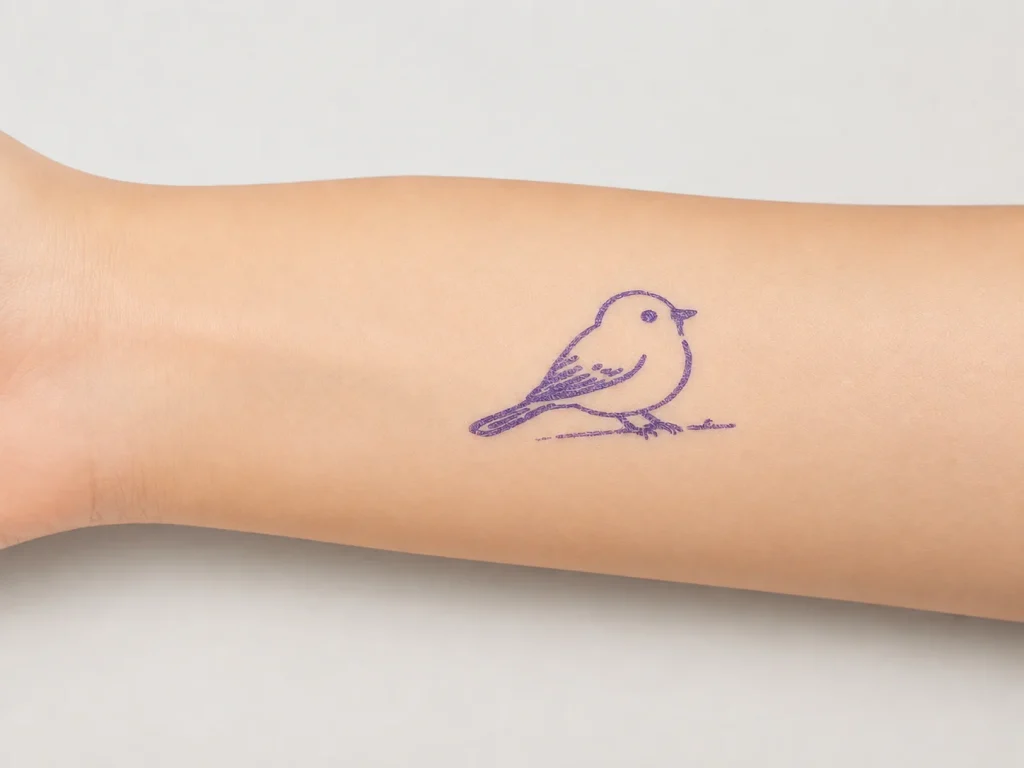
The most useful event entertainment ideas give guests a clear reason to participate, a simple action to take and a result they can understand without a long explanation. A temporary tattoo station can work as one interactive option when the event calls for guided co-creation rather than passive décor or another screen-only activity. The K1 AI Tattoo Stencil Printer can be considered for that role because its published workflow turns a text prompt into AI line art, then uses a connected step, 57mm thermal printing and dedicated transfer paper. It is a temporary-transfer interaction to plan carefully—not permanent tattooing, a robotic tattoo device or a universal answer for every event.
What Buyers Should Know
- Start with the event objective—conversation, brand discovery, guest participation or a shared photo moment—before choosing the activity.
- Prefer an interaction with a clear host role, defined guest journey and realistic venue requirements.
- Test how the activity works beside existing attractions instead of assuming novelty alone will create value.
- Use temporary-tattoo language carefully; do not turn an event idea into unsupported duration, safety or performance claims.
Where This Product Fits
| Item | Role in the event-activity decision |
|---|---|
| Brand | Yosiya |
| Product | K1 AI Tattoo Stencil Printer |
| Category | Connected AI line-art and 57mm thermal-print temporary-transfer workflow |
| Potential event role | Staff-guided creative participation station |
| Not positioned as | Permanent-tattoo equipment, a robotic tattoo device or an unsupervised attraction |
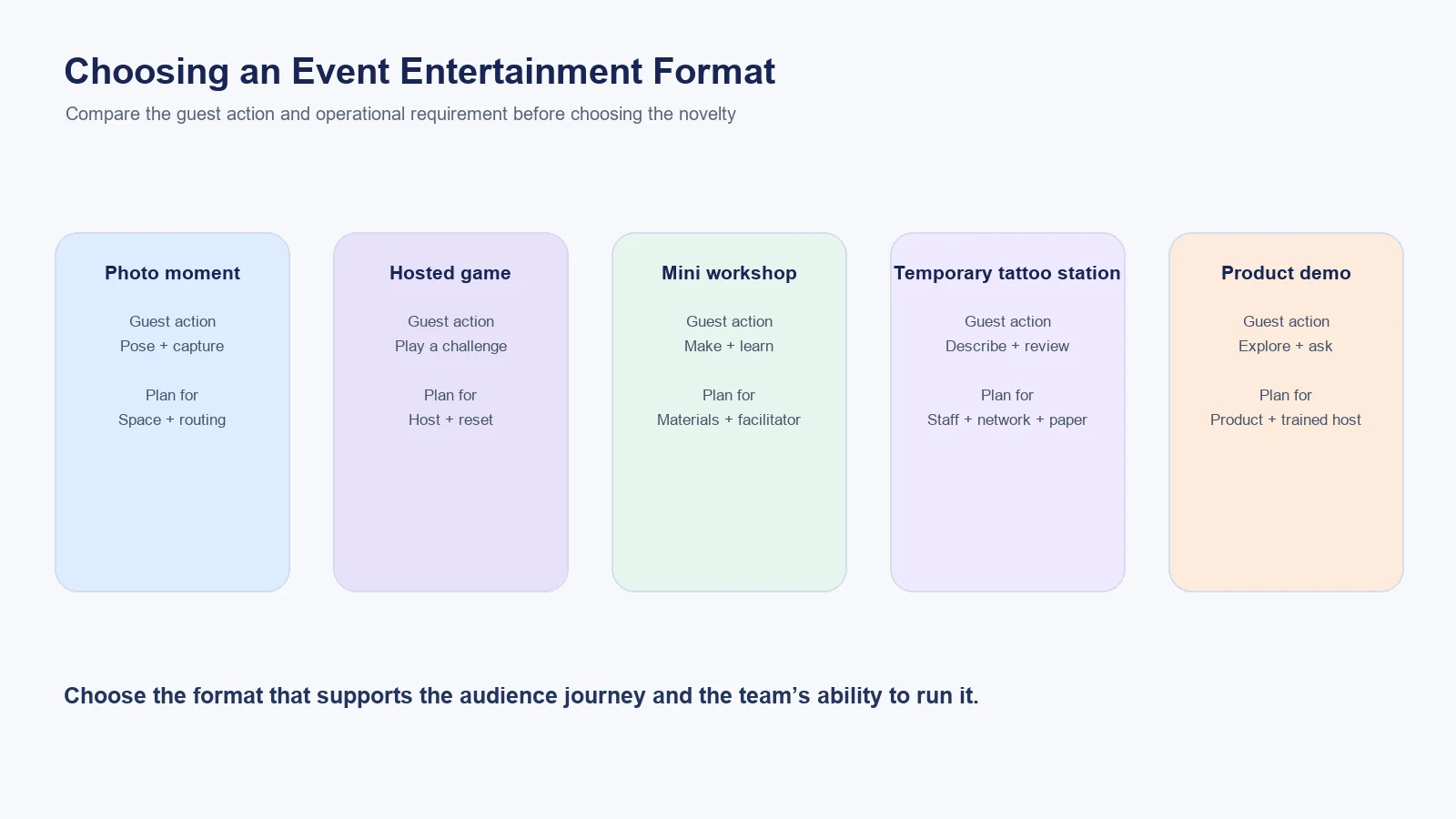
Event planners have many choices: games, photo moments, workshops, performers, product demonstrations and interactive installations. The right choice depends on whether the activity supports the audience and message. Cvent notes that interactive event ideas should make participation easy and deliberate; that is a useful standard for comparing any activation format. See Cvent’s interactive-event ideas.
For a clear distinction between a temporary event-transfer workflow and professional tattoo-stencil equipment, see Tattoo Stencil Printer: Professional vs Temporary Use Guide.
Compare the interaction, not just the novelty
| Activity format | Guest action | Planning requirement | When it may fit |
|---|---|---|---|
| Photo moment | Pose, capture and share | Space, backdrop and guest routing | Events where visual memory is the main objective |
| Hosted game | Play a short challenge | Rules, host and reset process | High-energy gatherings needing repeated rounds |
| Mini workshop | Make or learn something | Materials, time blocks and facilitator | Audiences open to a slower hands-on format |
| Temporary tattoo station | Describe an idea, review a line-art design and follow transfer instructions | Staff, connected design path, 57mm print, selected paper and guest guidance | Brand activations, parties or companion experiences that benefit from co-creation |
| Product demonstration | Explore a feature or sample | Product availability and trained host | Launches where education is the primary goal |
The table is not a ranking. A photo moment may be more appropriate than an AI design station when speed or visual capture is the only goal. A temporary tattoo station is more relevant when a brief calls for a guest-created result and the team can support the full interaction.
Design the guest journey before choosing the equipment
The activity needs a beginning, a participation moment and a clear handoff. This prevents the familiar event-day problem where an attractive station creates confusion because nobody has decided who greets guests, reviews designs or gives instructions.
1. Invite guests with one clear prompt
Explain the interaction in plain language: guests can describe a simple theme or idea, and the operator guides the next step. Keep client brand rules and audience boundaries visible to the host team.
2. Guide the design decision
For K1, the relevant workflow is connected AI line-art generation from a text prompt. The operator reviews the output in the event context before printing. A venue needs a usable network path for this connected step.
3. Print and hand over the temporary transfer
The system uses 57mm thermal printing and dedicated tattoo transfer paper. The host should use the selected paper and current instructions for the demonstrated configuration, then explain the transfer process to the guest without making unsupported material, safety or duration claims.
4. Close the interaction and reset
Return the counter to a clear starting point, manage paper and printed materials, and keep notes about repeated guest questions. The post-event review often reveals more than a generic product demonstration does.
For a focused Photo Booth companion model, read Temporary Tattoo Printer for Photo Booth Business. For a full temporary-tattoo business setup framework, see How to Start a Temporary Tattoo Business.
Pick the right event scenario
Brand activation with a defined theme
A brand may use a guided temporary design interaction if the brief includes approved themes, staff roles and a review process. The operator should not assume every prompt belongs in a client-facing experience; the client and host team need a clear boundary.
Party or social gathering with a host-led activity
For a party, the station can become one part of a wider program alongside games, food or photo capture. It needs an assigned operator and a realistic place in the room, rather than being left as an unexplained device on a side table.
Trade-show or retail companion experience
The aim may be to create a conversational pause near a booth or display. Build the interaction around the visitor journey and compliance requirements of the venue, not a fixed assumption about engagement results.
The event industry often uses experiential formats to invite active participation, but the format should match the objective and audience. Eventbrite’s guidance on experiential marketing events is useful context for planning the interaction around the attendee experience rather than an equipment feature list.
A practical planning checklist
Before selecting a temporary tattoo station for an event, confirm:
- The purpose of the activity and how it fits the wider event program.
- The guest journey, including entry, design discussion, output and handoff.
- The operator role, client approval rules and prompt boundaries.
- The available network path for K1’s connected AI workflow.
- The demonstrated 57mm printing and selected dedicated paper process.
- Venue requirements, placement, signage and reset plan.
- Which product, consumable, documentation and commercial items require supplier confirmation.
The FTC asks businesses to support objective advertising claims. For event copy, this means describing the format accurately and avoiding unverified statements about output quantity, wear time, safety, cost, audience response or commercial outcomes. See the FTC’s advertising guide for small businesses.
Where K1 fits in the decision
K1 can be explored when the event calls for a connected, staff-guided temporary design-and-transfer activity. Its category is specific: AI line art from a prompt, 57mm thermal printing and dedicated transfer paper. A sample review should test that workflow against a real brief, venue and host plan.
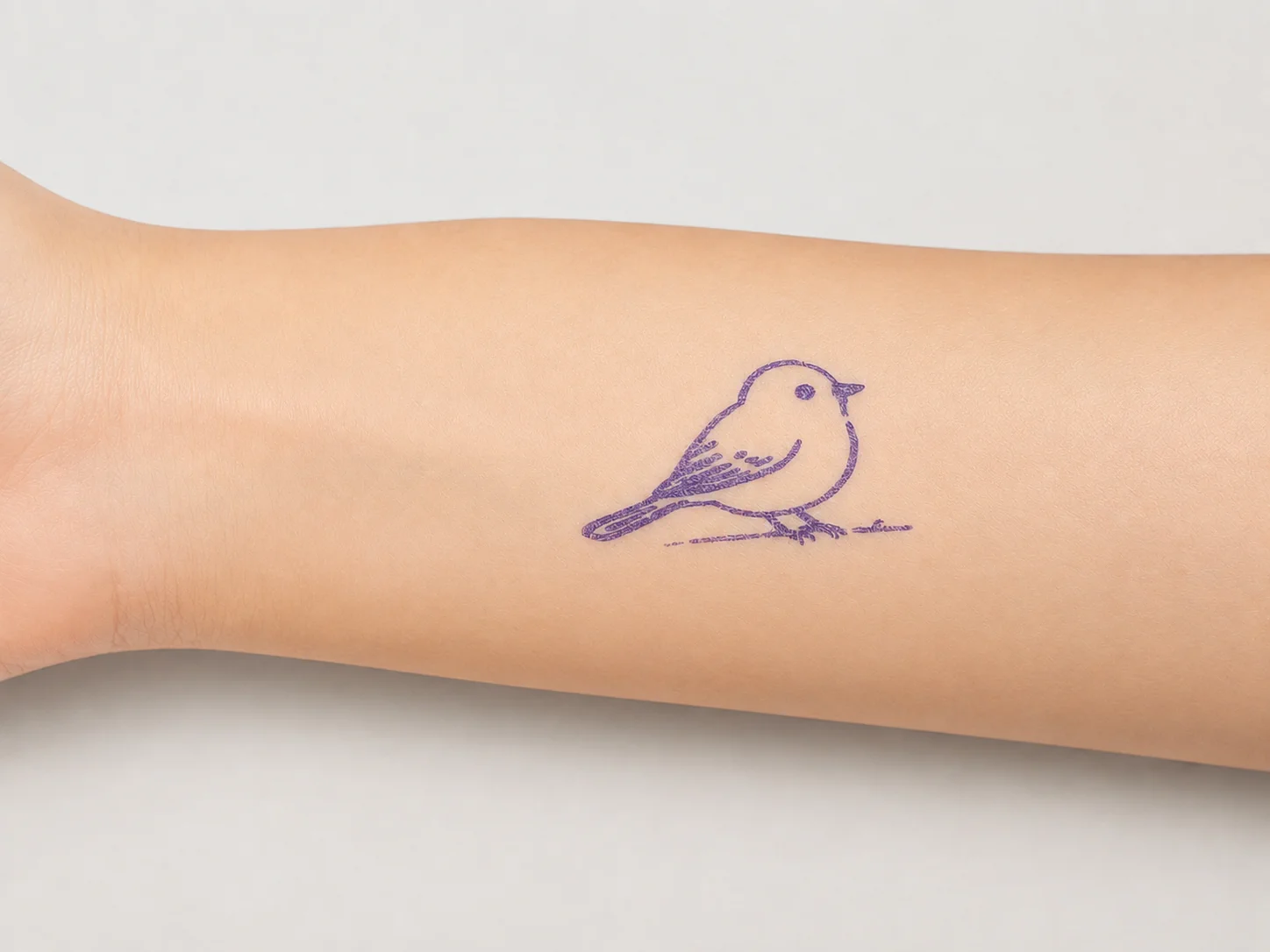
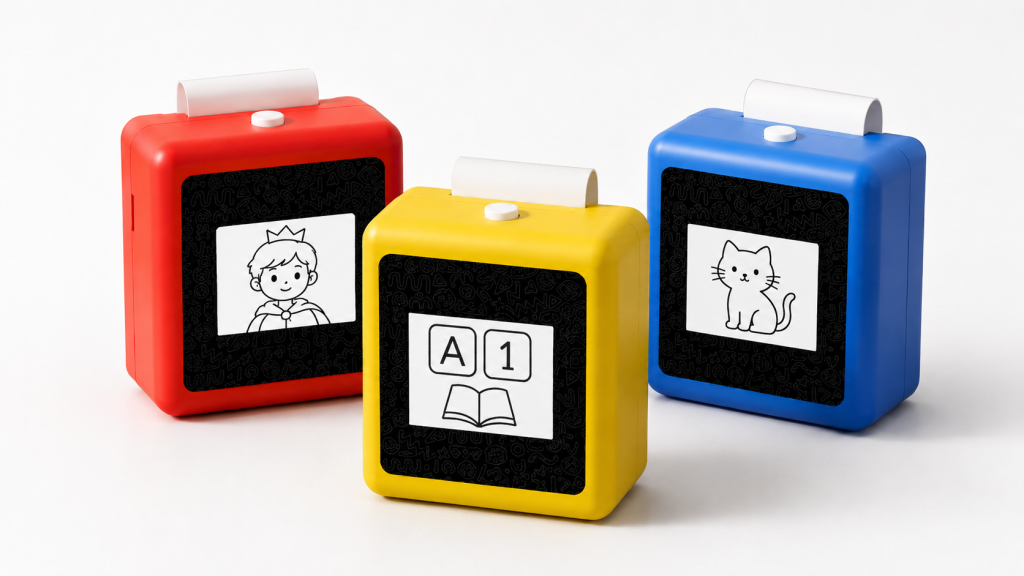
This image illustrates the temporary-transfer category only. It is not evidence of a specific safety result, duration, output capacity or event outcome.
For a technical explanation of the connected AI process, read AI Tattoo Machine: Not a Robotic Permanent Tattoo Device. For event-equipment sourcing rather than activity selection, see Event Entertainment Equipment: Sourcing AI Tattoo Stations.
If this activity moves from an event idea to a business purchase, continue with Temporary Tattoo Printer for Businesses: Beyond DIY Kits for supplier and sample-evaluation questions.
FAQ
What are good event entertainment ideas for guest participation?
Good options depend on the event objective. Compare each format by guest action, host role, venue needs, reset process and how naturally it fits the audience journey.
Is a temporary tattoo station suitable for every event?
No. It is most relevant when a team can provide guided participation, a suitable venue setup, a network path for the connected design flow and clear guest instructions.
How does K1 create a temporary event design?
K1’s published workflow uses a text prompt for connected AI line-art generation, followed by 57mm thermal printing and the dedicated temporary-transfer paper process.
Can an event team make safety or duration promises about temporary tattoos?
No. Teams should use only approved, supported product and material information, and avoid unsupported safety, material or duration claims in event promotion.
What should an event planner test before booking a temporary tattoo station?
Test the guest journey, staff role, connected design step, venue network, selected paper, instructions, placement, client approval process and supplier-confirmed scope.
Make the activity earn its place
Choose the interaction that supports the event’s actual purpose, then run a small sample review before committing it to a program. Explore the K1 AI Tattoo Stencil Printer to assess its current temporary-transfer workflow, or request a sample evaluation against your event brief.